About Us
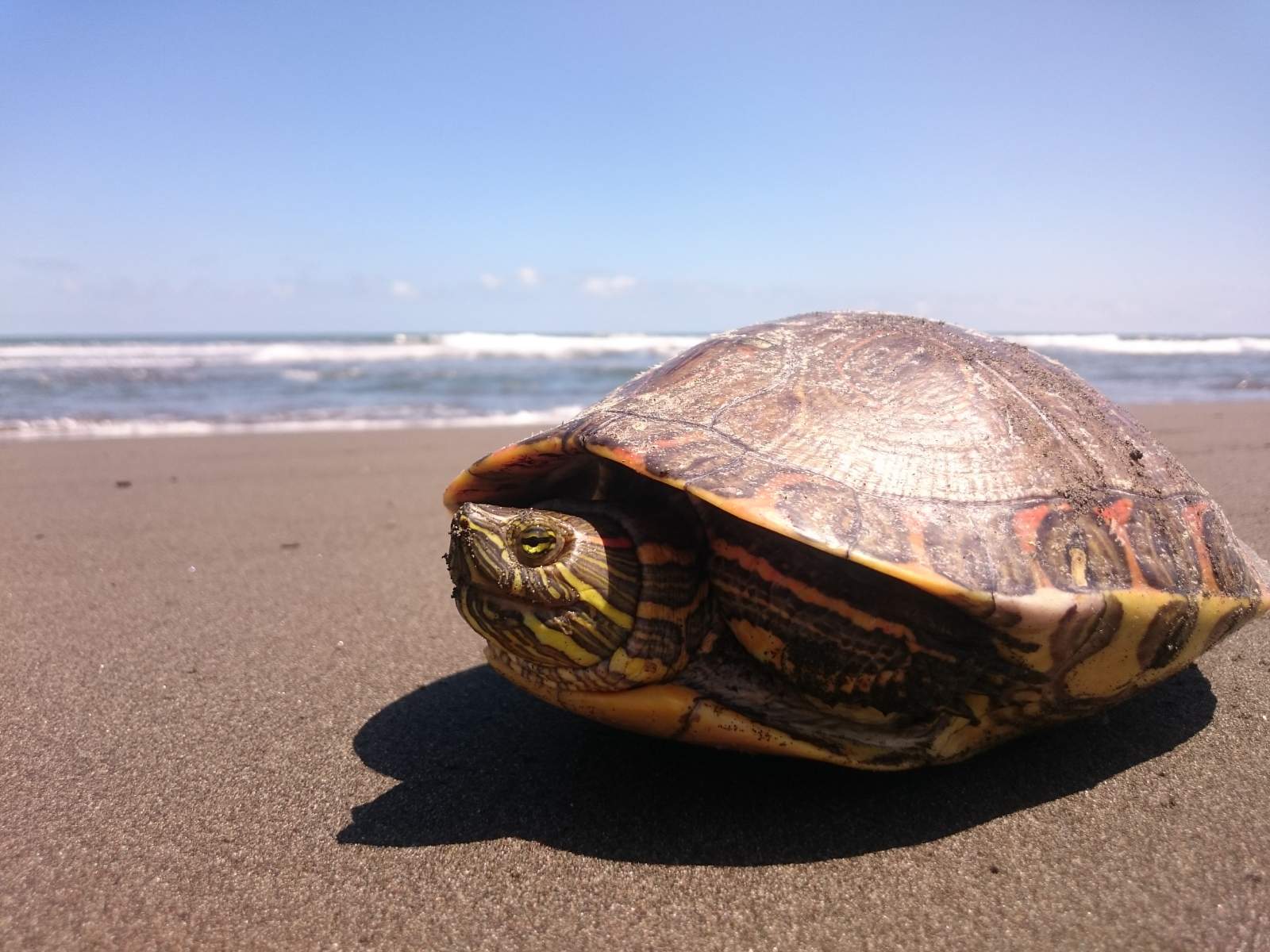
Our main mission at Tortugas de Pacuare is to protect endangered sea turtles such as the Leatherback sea turtle, Hawksbill sea turtle, and Green sea turtle. With the support of the local community and international volunteers, we aim to conserve the environment. By working with sea turtles, local communities, and environmental education programs, we strive to educate people on the importance of protecting the valuable marine ecosystem.
Turtle seasons:
- Leatherback turtle season: from the last week of February to the end of June
- Green turtle season: from July to September
- Hawksbill turtle season: from April to August
One important thing to remember when working in animal protection is that wildlife is unpredictable, so we cannot guarantee exactly what your experience will be like. The only certainty is that nature is amazing and always full of surprises—that is why we love working to save turtles.
Working with turtles:
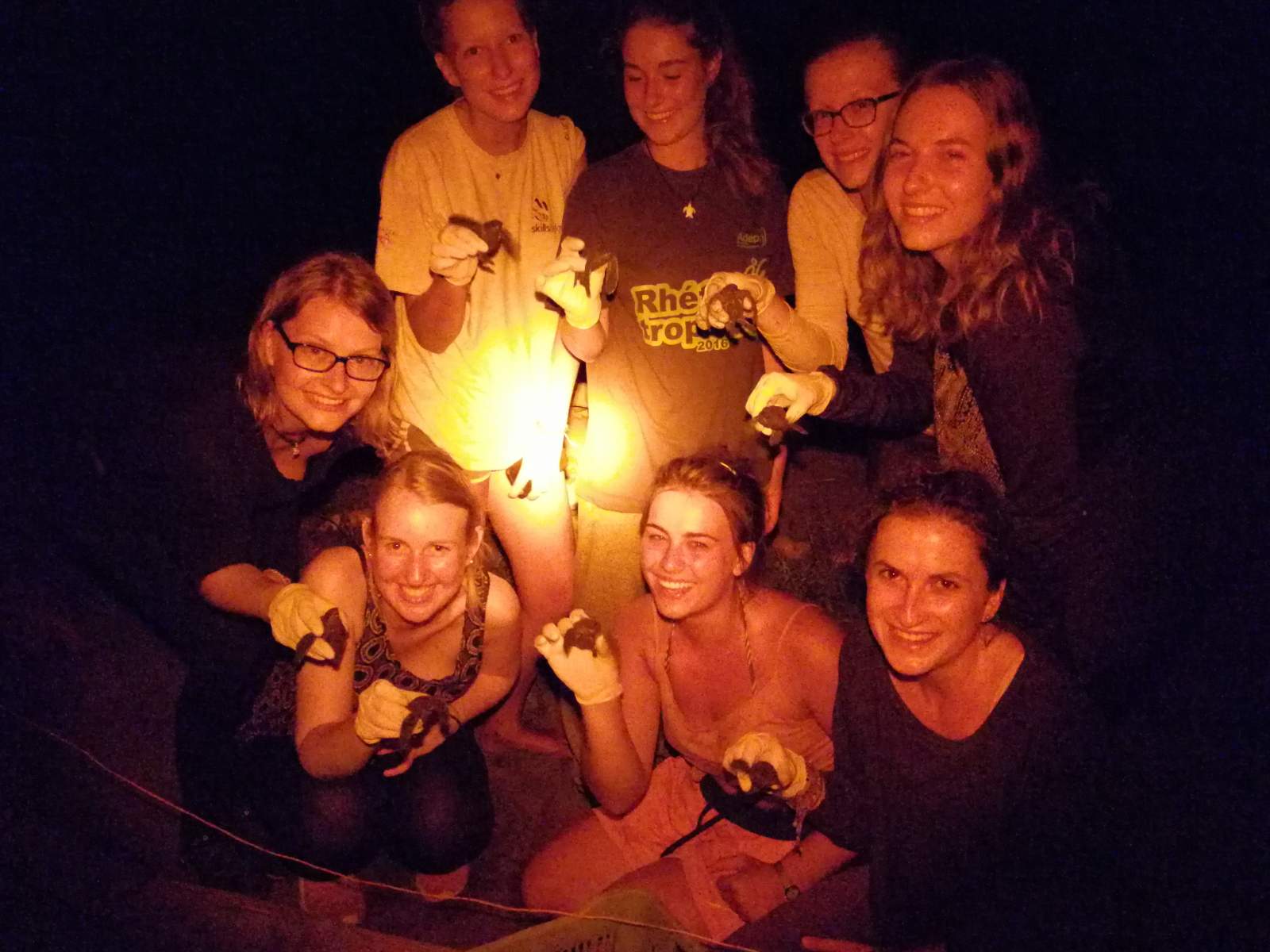
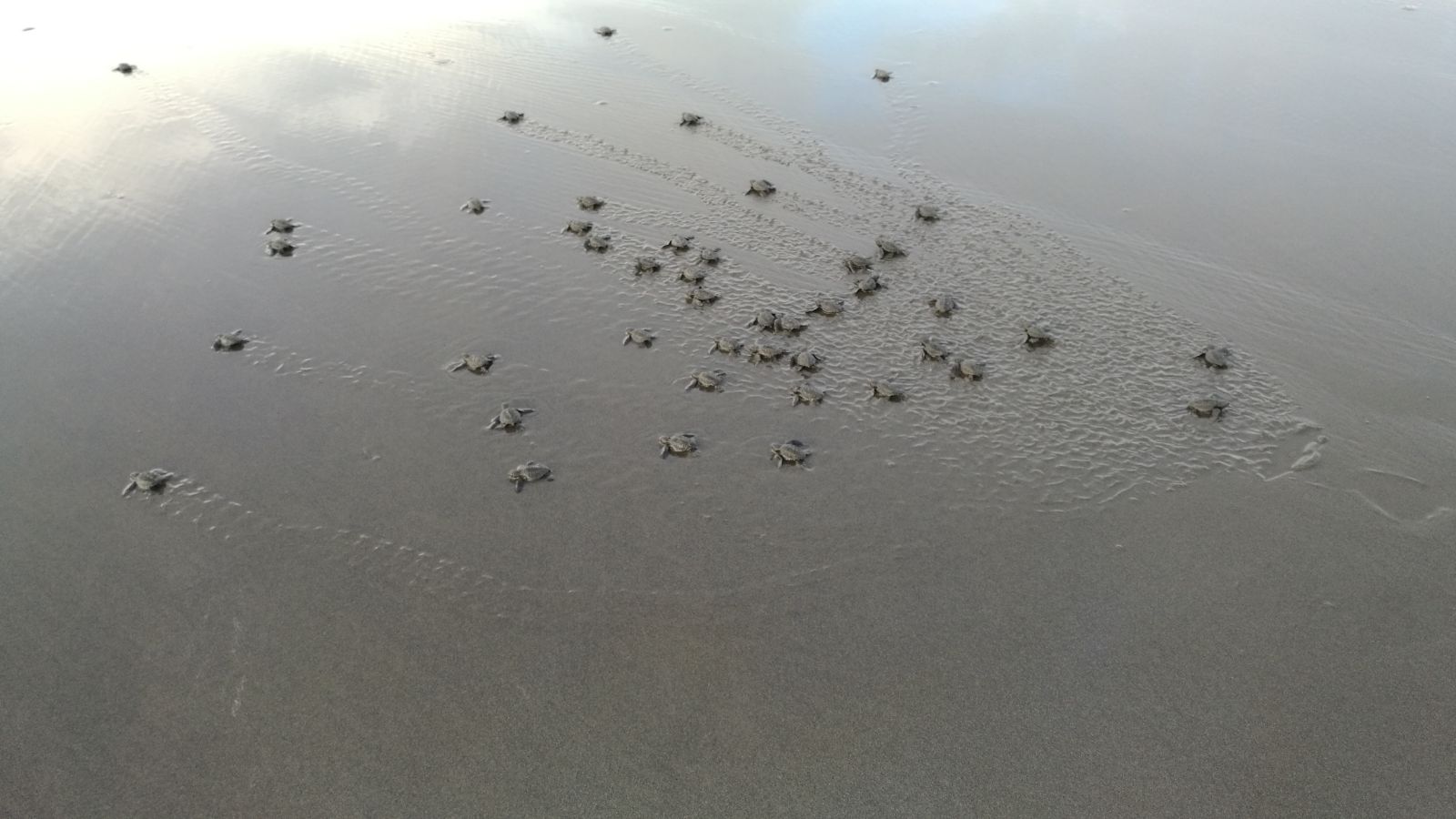
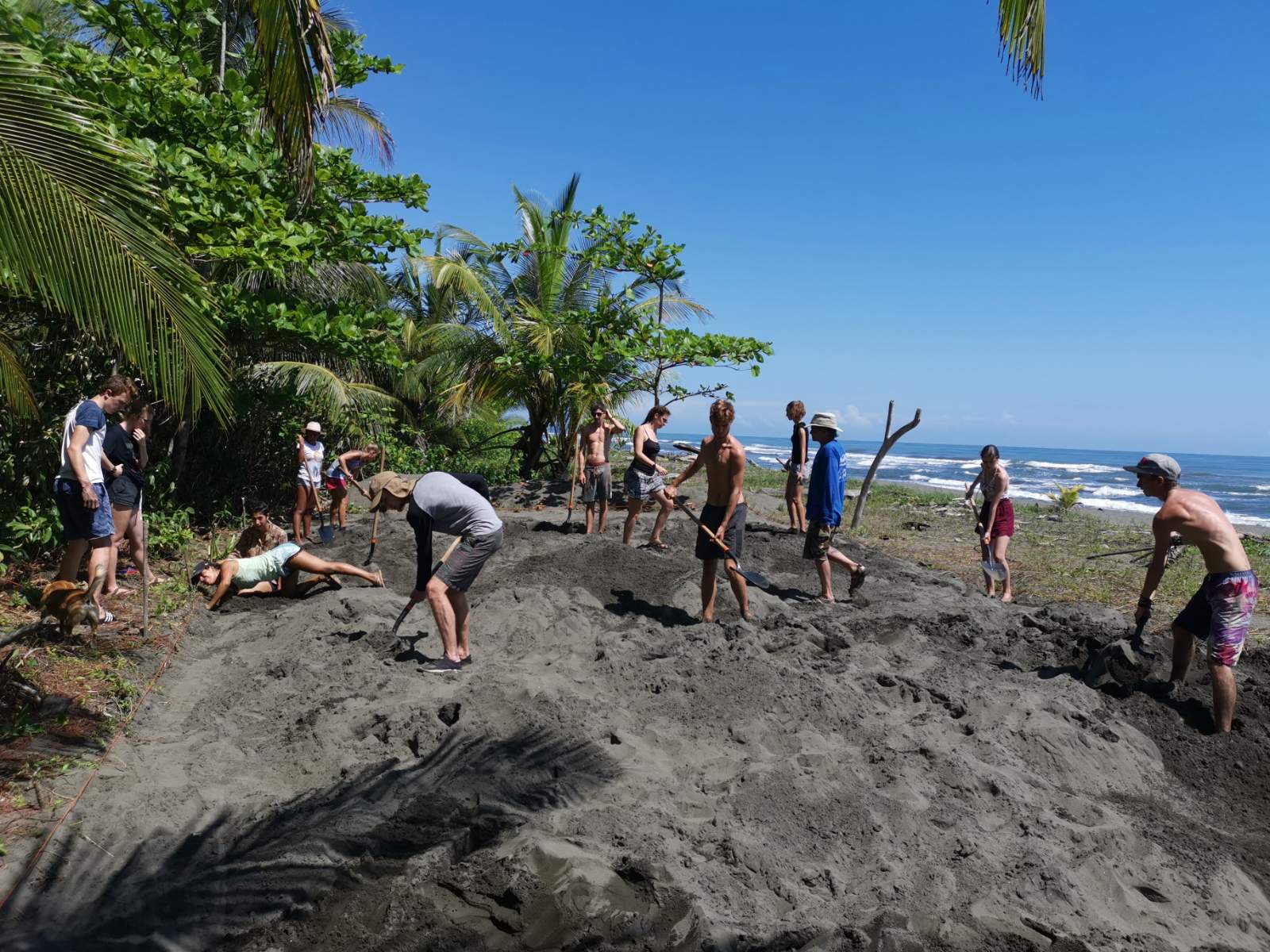
Working with turtles involves night patrols on the beach. Alongside local guides and other volunteers, you will patrol the beach to collect turtle eggs and relocate them to a turtle hatchery, where they will be protected from poachers. You will also work at the hatchery, caring for the eggs and newly hatched turtles, ensuring they are well prepared for their journey back into the sea.
The Leatherback Turtle:
Leatherbacks are the largest turtles on Earth, growing up to seven feet (two meters) in length and exceeding 2,000 pounds (900 kilograms) in weight. These reptilian relics are the only remaining representatives of a family of turtles whose evolutionary history dates back more than 100 million years. Once widespread across most oceans except the Arctic and Antarctic, the leatherback population has declined significantly in many regions.
Unlike other sea turtles, leatherbacks do not have hard, bony shells. Instead, they have a flexible, leathery carapace that gives them their name.
Program at a glance
Why choose us?
Join an exciting volunteer opportunity focused on the protection of endangered sea turtles, contributing to their conservation and preservation.
Engage in beach patrols during evening and night walks, actively searching for female turtles and their vulnerable nests, ensuring their safety from poachers and predators.
Care for turtle eggs, providing the necessary support and ensuring they are ready for their incredible journey back into the sea.
Make the most of your weekends by exploring breathtaking beaches and immersing yourself in rich Costa Rican culture, creating unforgettable memories.
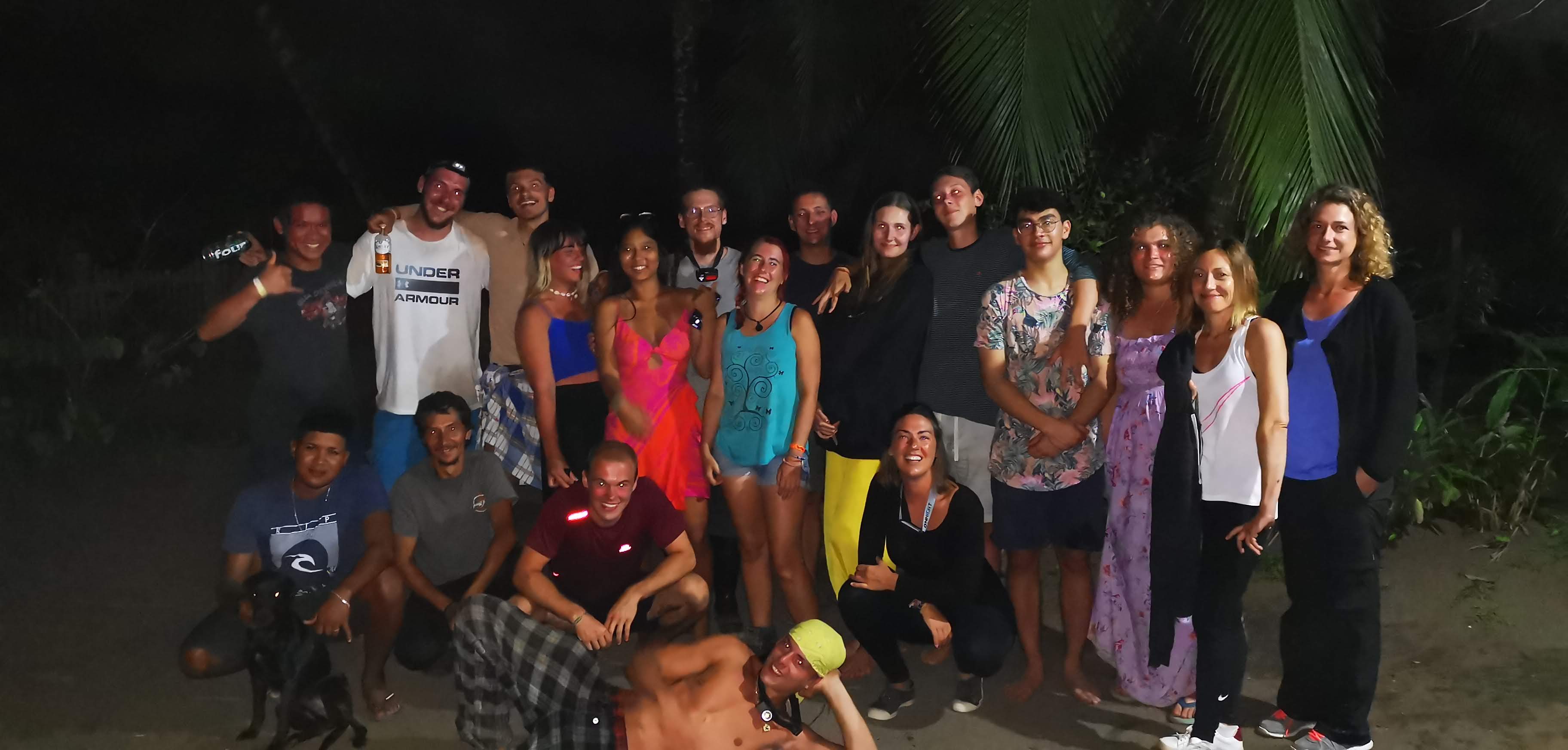
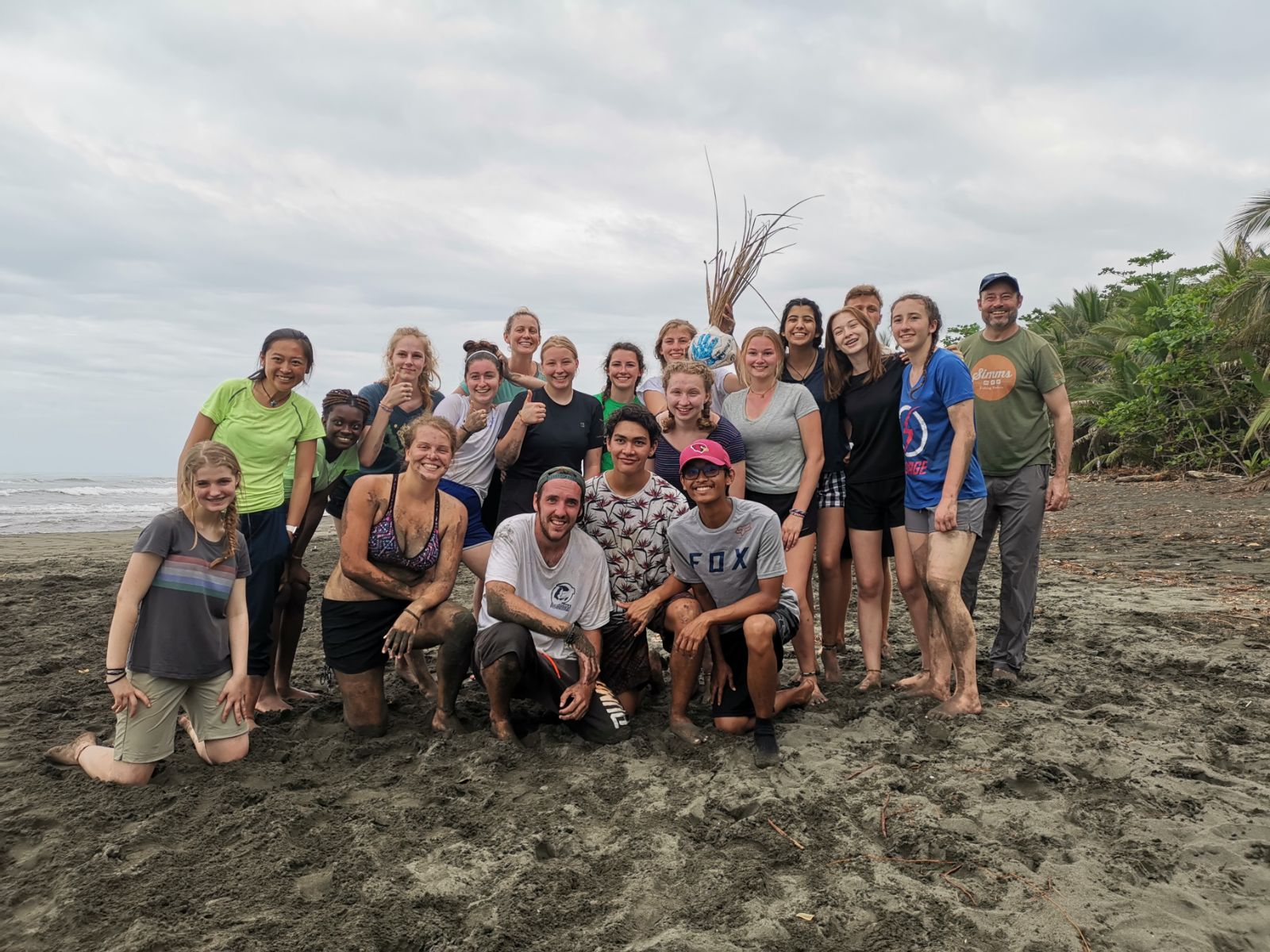
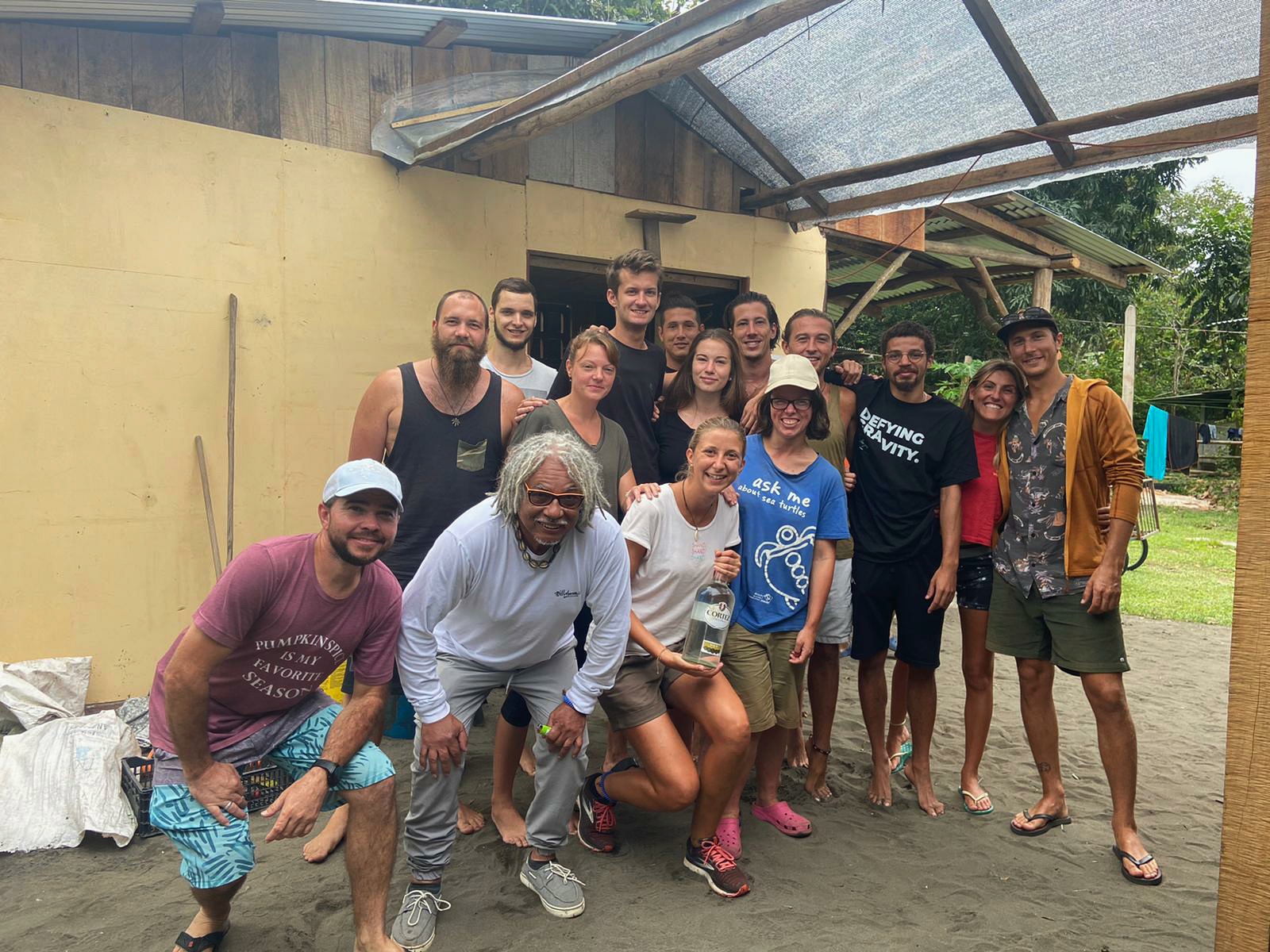
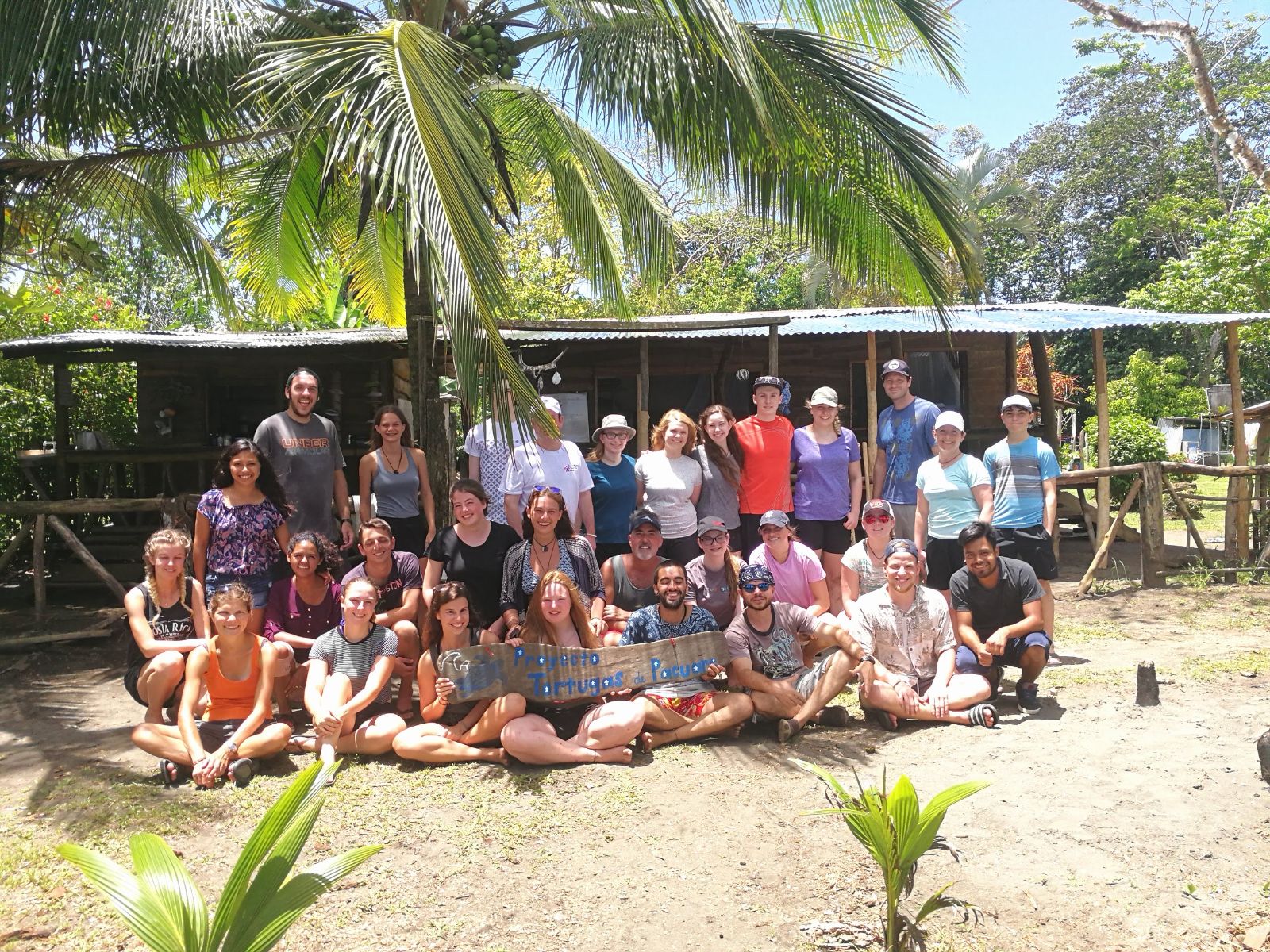
Connect with passionate volunteers from around the world, forming meaningful friendships and building lifelong connections through shared experiences.
Requirements
No specialized knowledge is required, as we offer training upon the arrival of volunteers.
Our main requirement is that you come with a great love for nature and a desire to work for the environment.
Volunteer experience
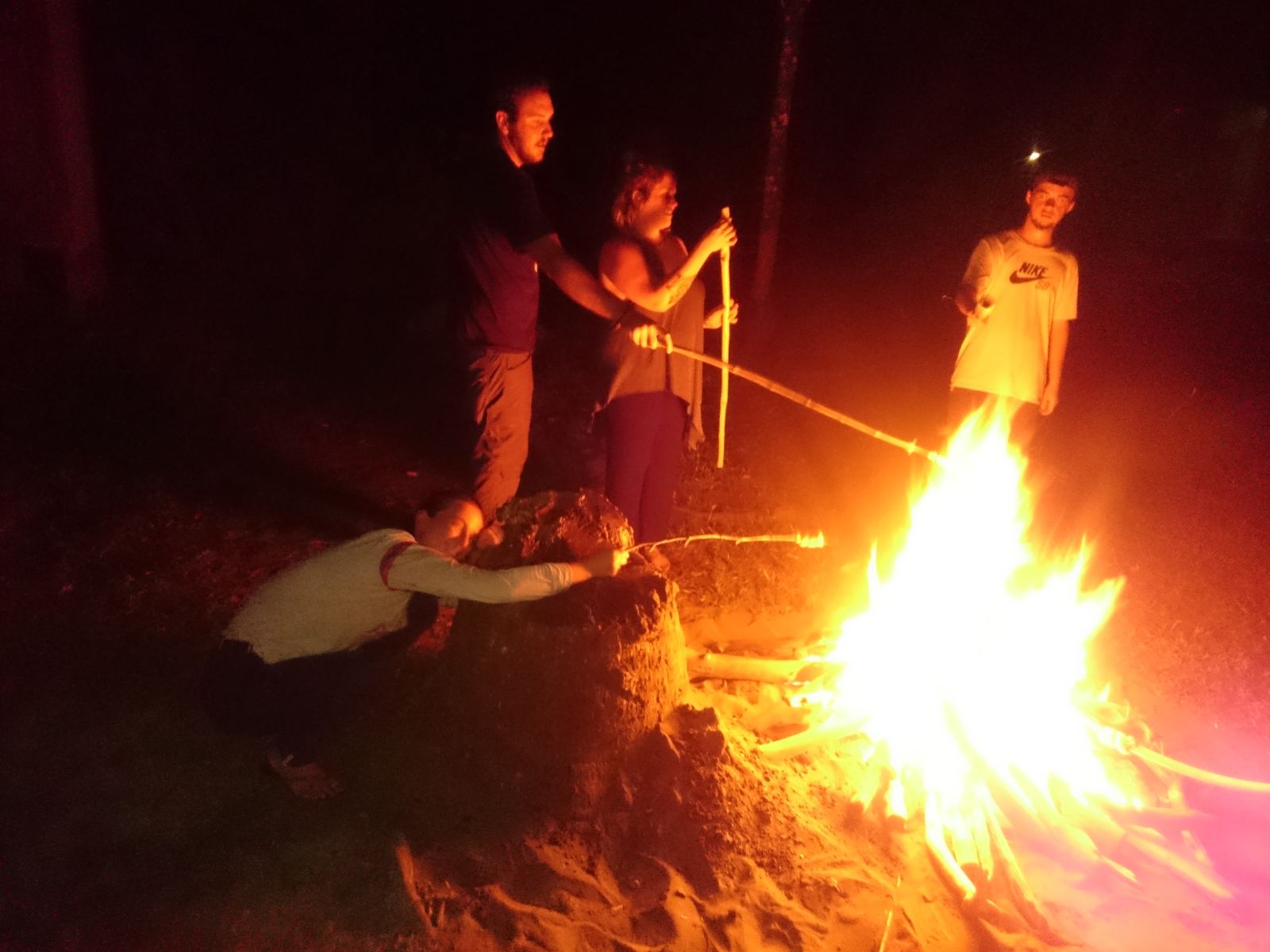
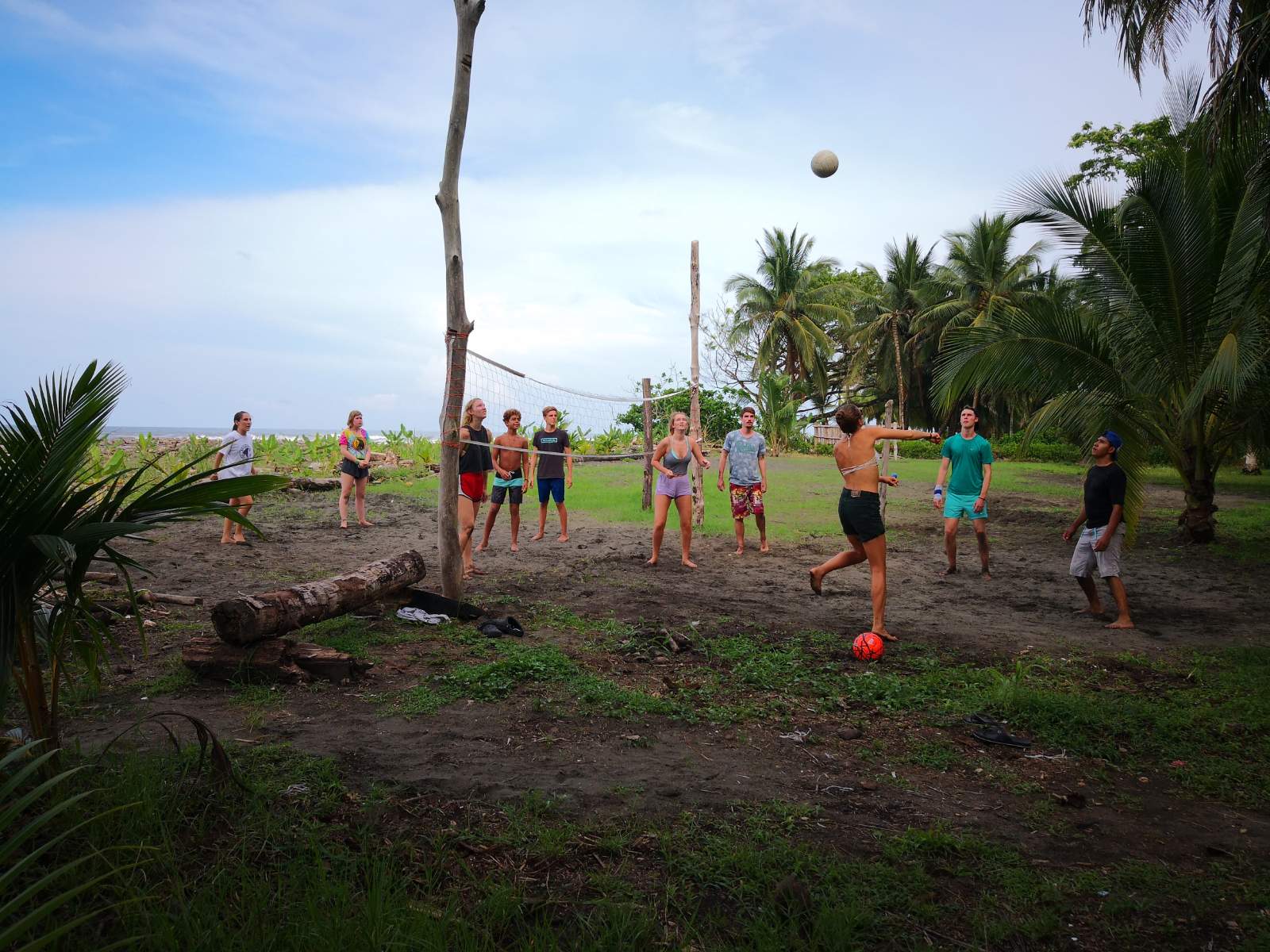
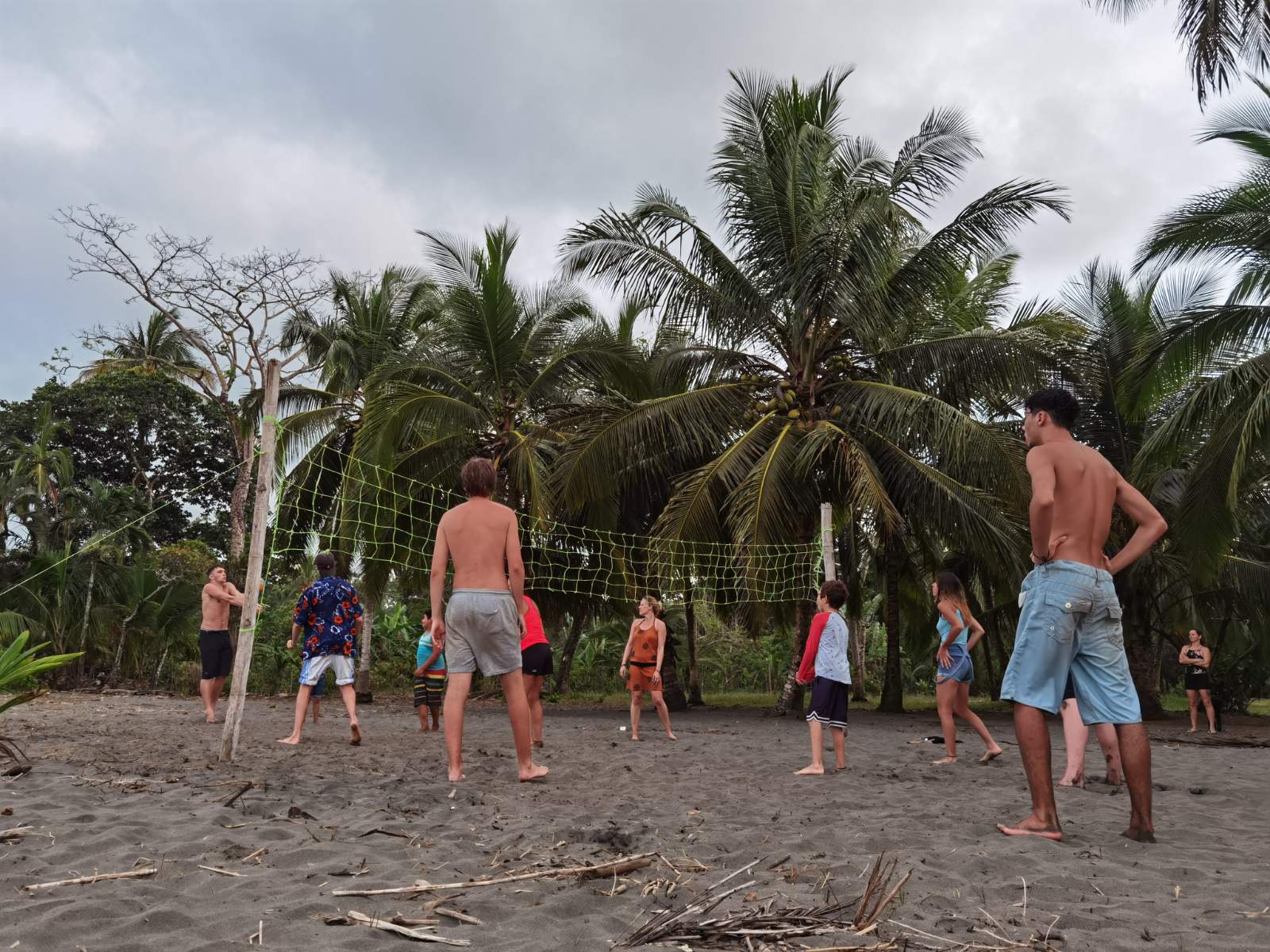
Our day begins with breakfast at 8:00 am. We usually have work time in the morning from 9:30 to 11:00 am, unless you went on patrol the night before. These tasks can vary depending on what needs to be done; they might include cleaning plastic from the beach, monitoring animals, taking care of the hatchery (a 24/7 task done in 6-hour shifts), or community service (usually at the Pacuare school, which is right next to the camp). Lunch is at 12:00 pm. At 3:00 pm, we do the same types of tasks as in the morning. We also have some free time, during which we go to the beach, play volleyball, or simply lie in the shade of a palm tree.
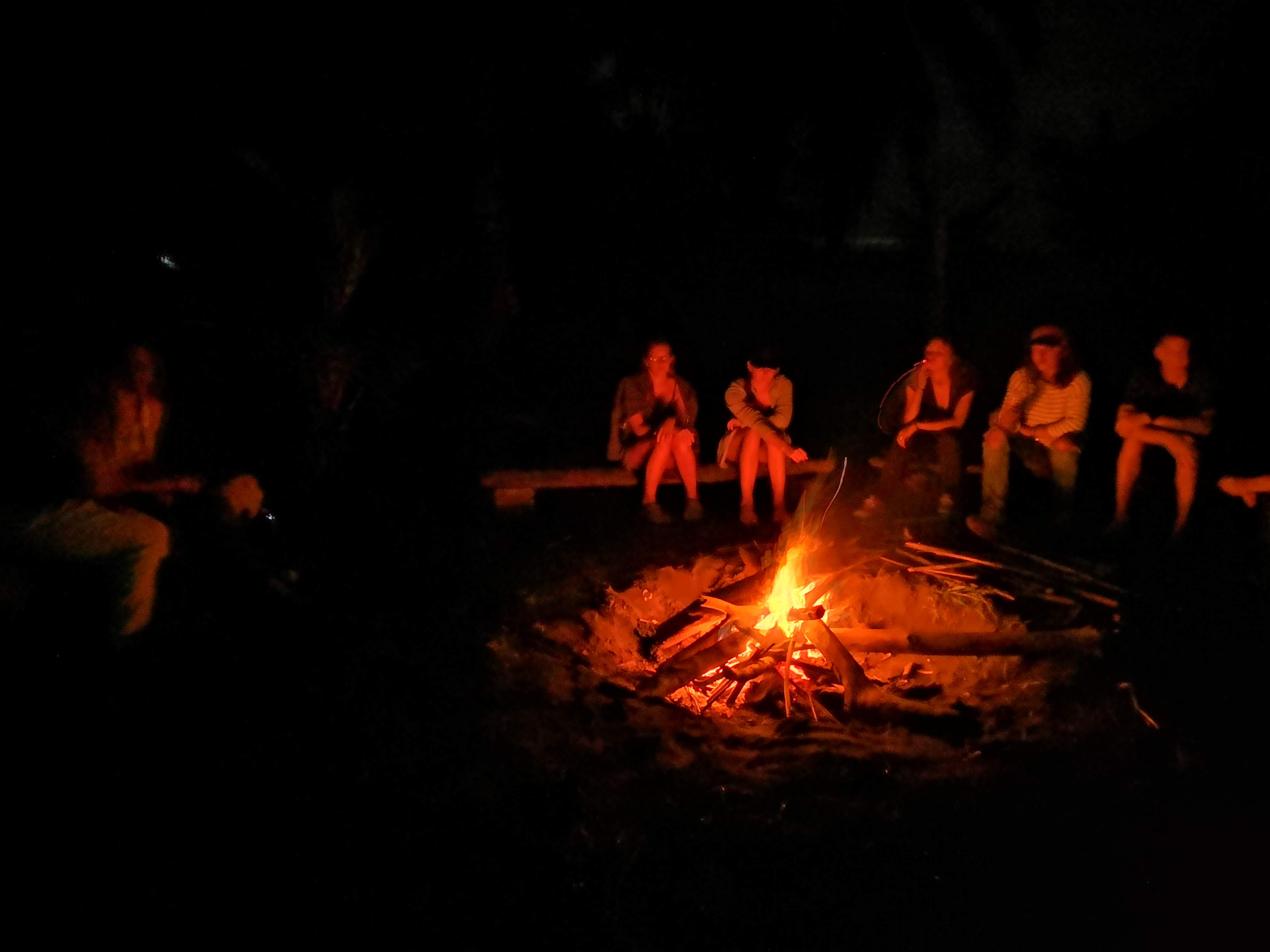
At night, it’s patrol time. We form two groups for two patrol shifts per night: from 8:00 pm to midnight and from midnight to 4:00 am. That’s our day.
Note: Tasks may vary depending on weather conditions.
$280 per week $1000 per month
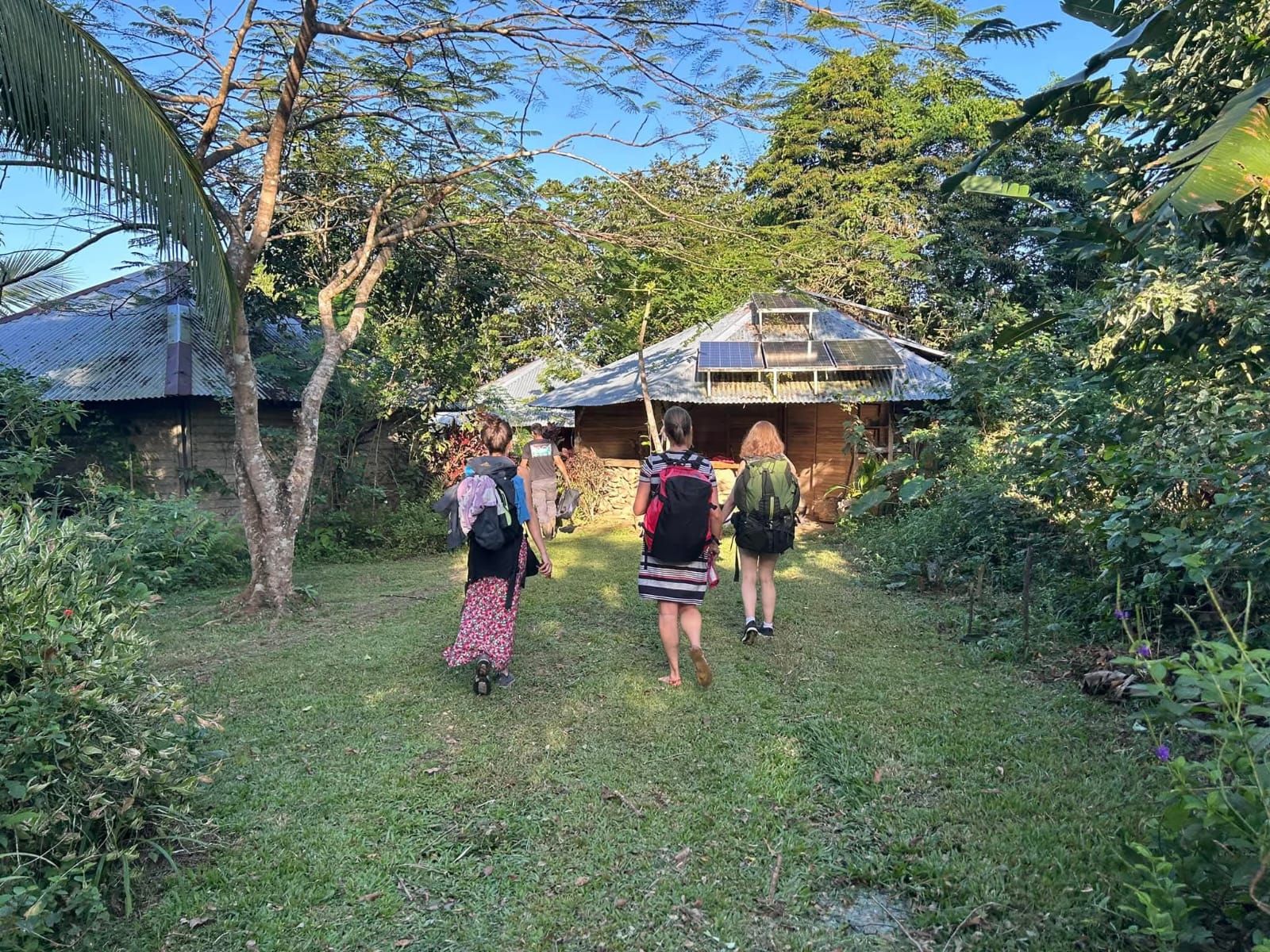
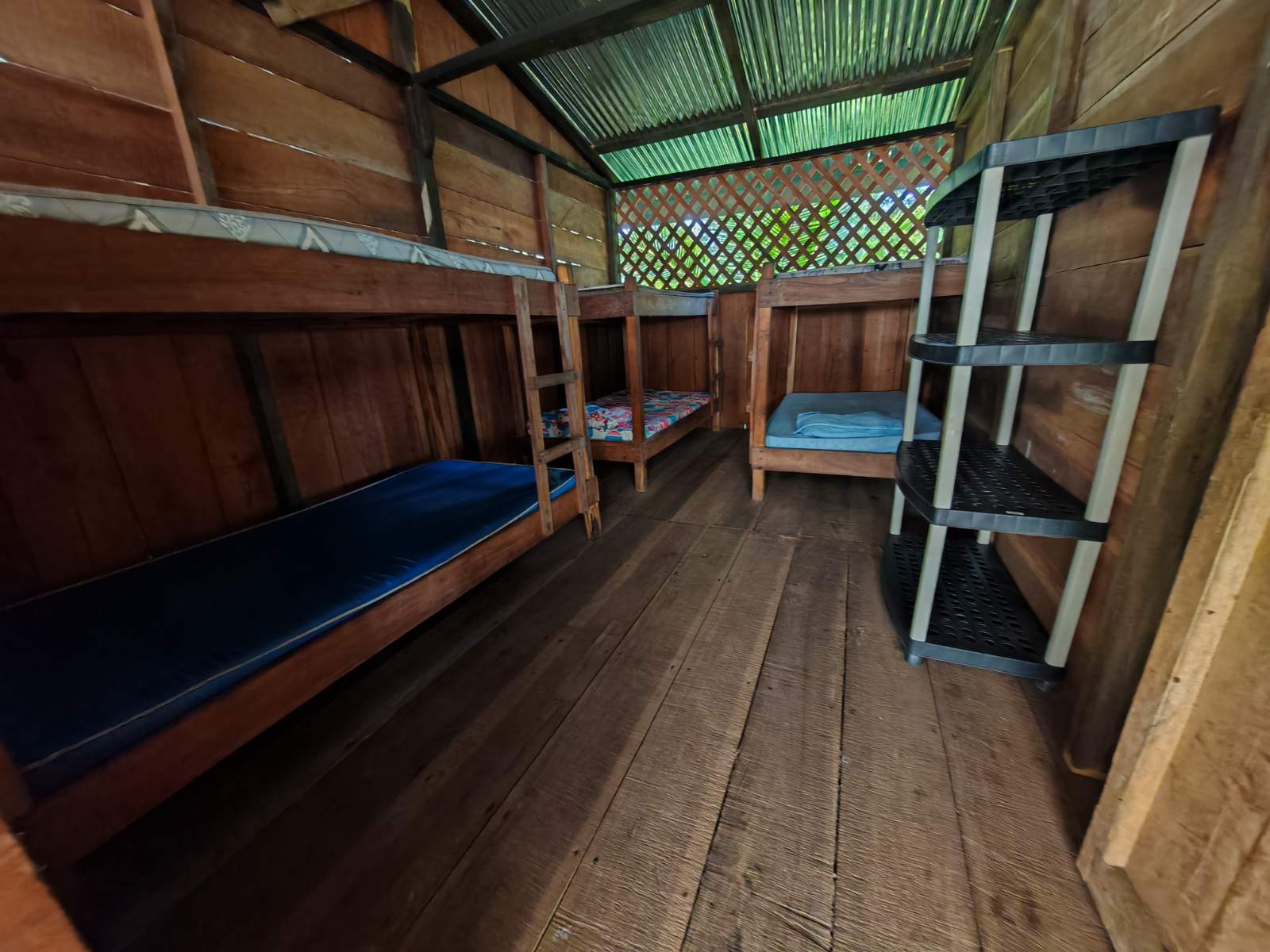
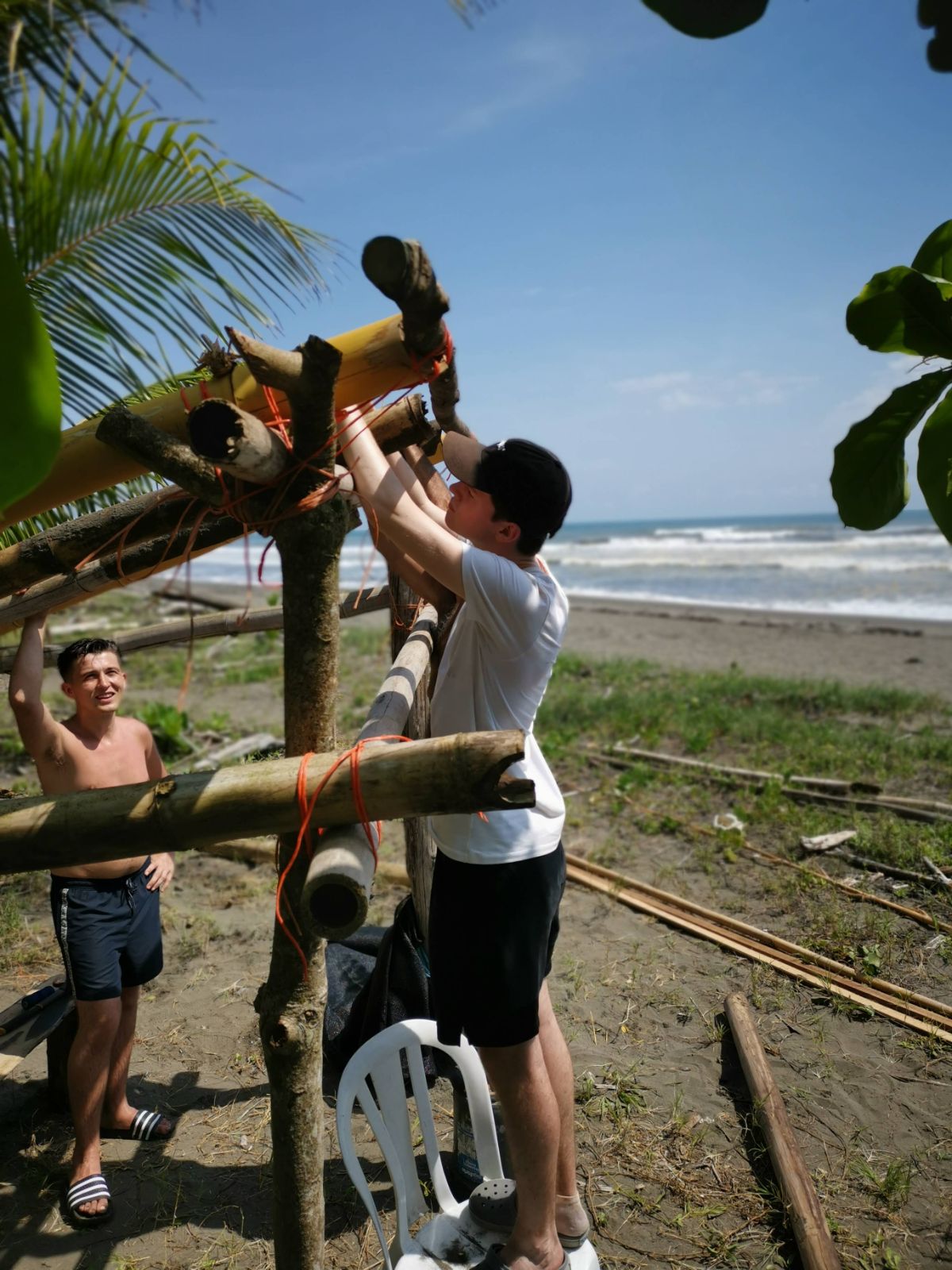
Our camp consists of one house with 5 dorms, each accommodating 6 people, and another house with 2 dorms, each accommodating 8 people. Men and women sleep separately.
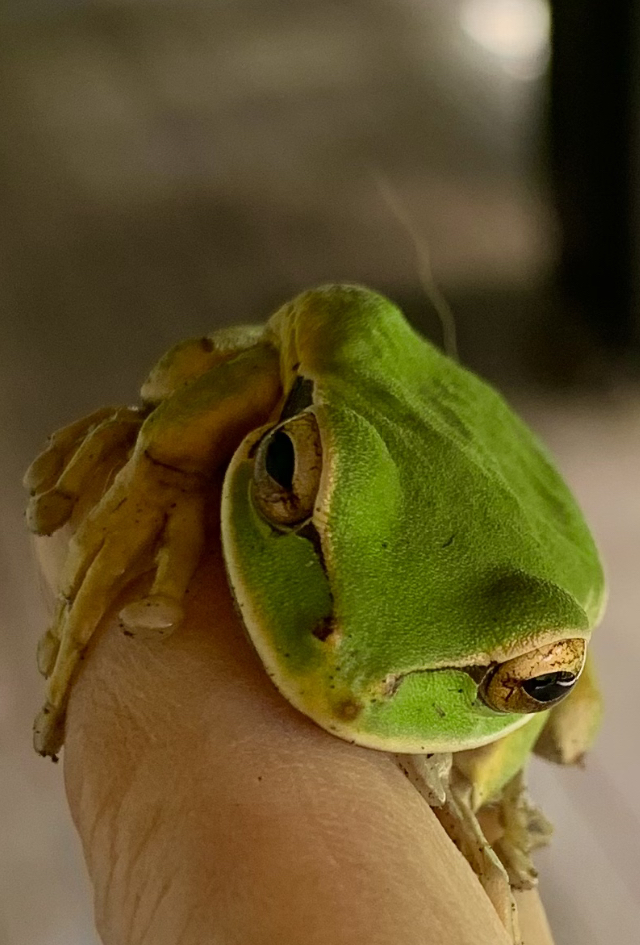
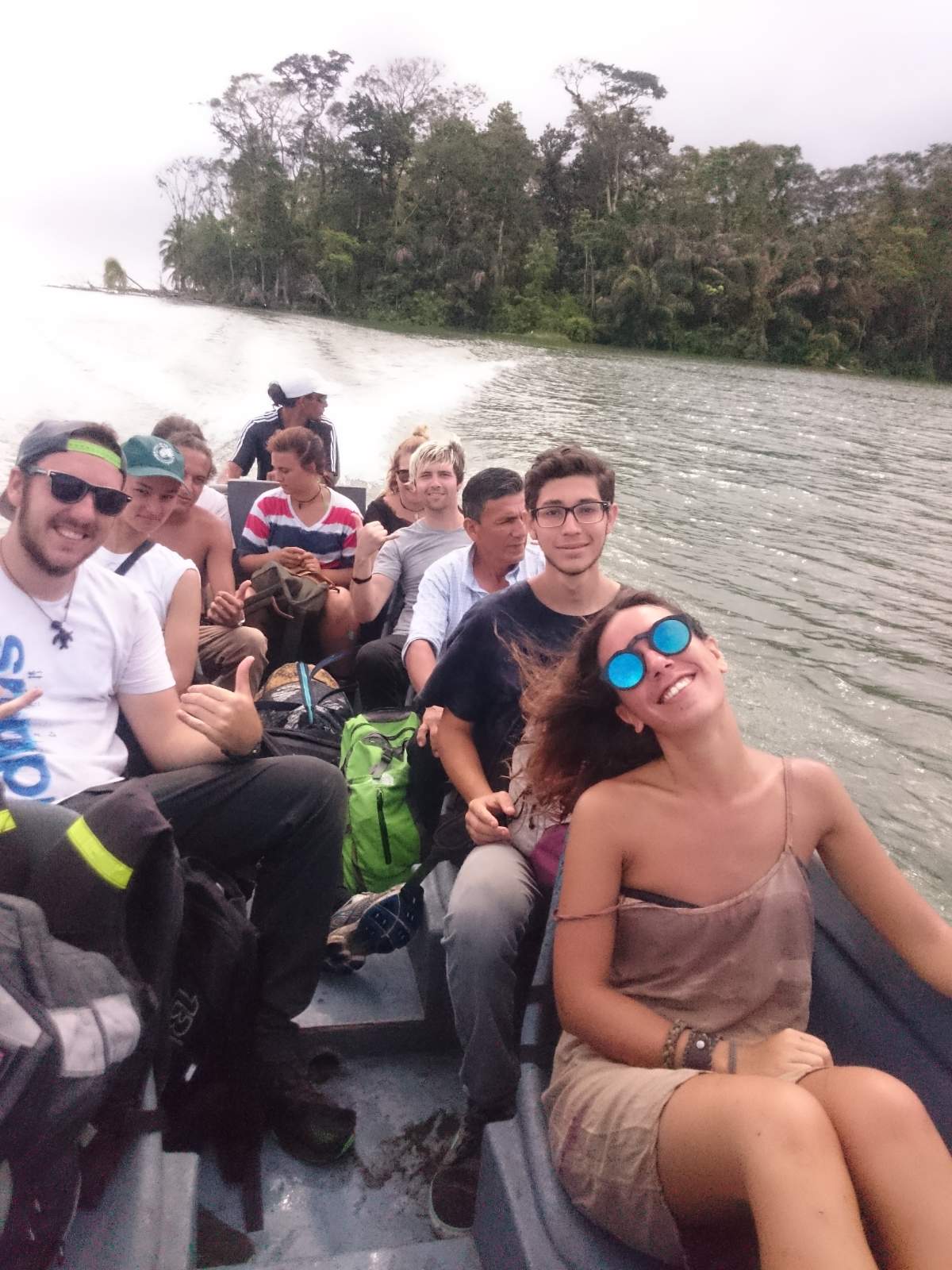
You will wake up every morning with the ocean in front of your door, accompanied by thousands of different bird songs, as well as the sounds of monkeys and many other animals. The camp is surrounded by wildlife.
We offer vegetarian and vegan food.
Breakfast: pancakes, omelets, Gallo pinto, empanadas, tortillas con huevo, and a variety of tropical fruits.
Lunch and dinner: different kinds of picadillos with rice and beans, tortilla de papa, spaghetti with coconut milk sauce, bread, patacones with bean paste, and a variety of traditional Costa Rican dishes.
Please note that the food offered at camp is based on the Costa Rican diet, which is centered around rice and beans. The combination of beans and rice creates a complete protein. Rice and beans individually lack certain essential amino acids; however, when eaten together, each complements the amino acids the other lacks, forming a complete protein.
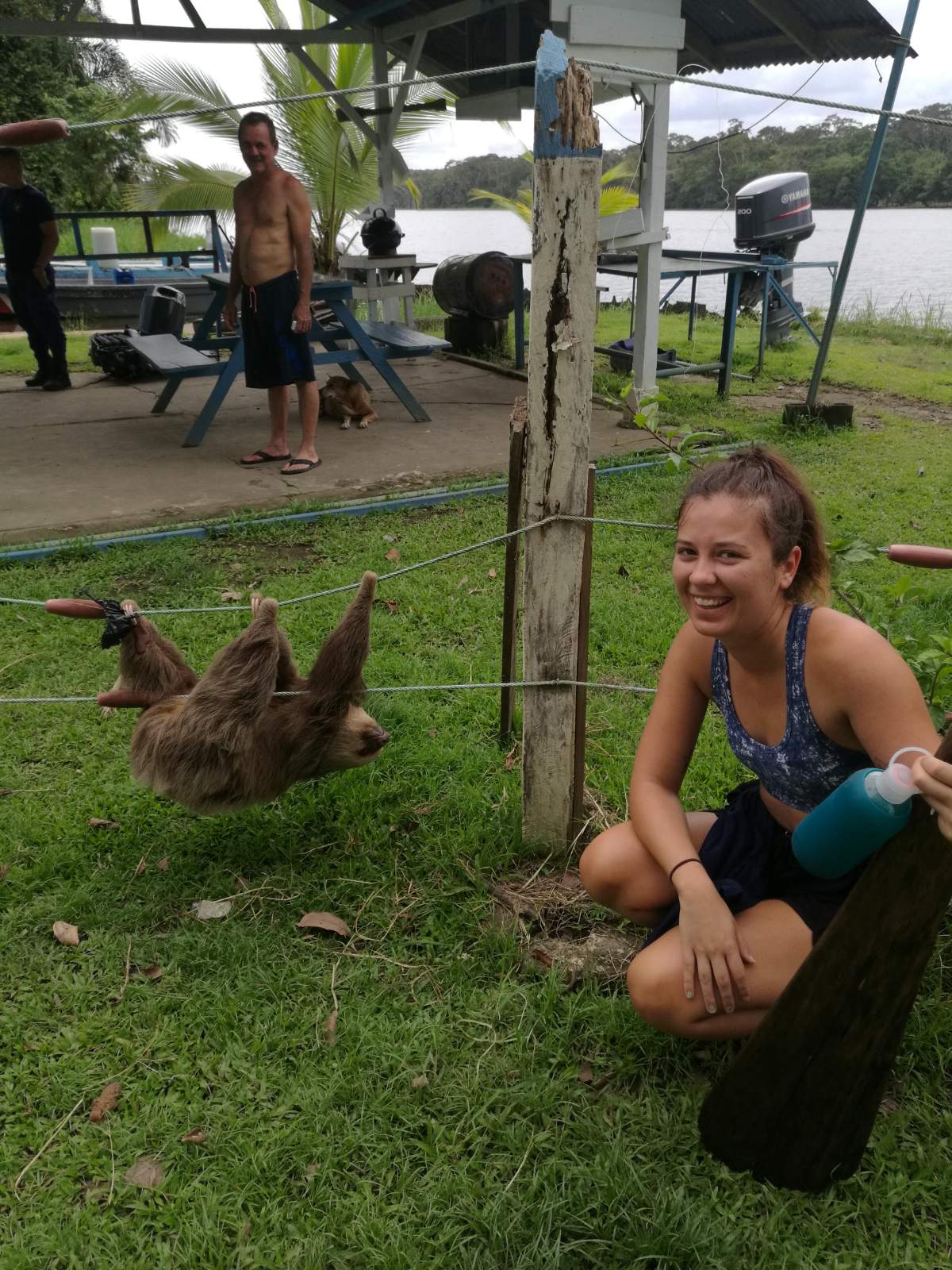
Our volunteers will have the chance to spend their time enjoying wildlife and meeting many different animals.
Furthermore, they can play sports on the beach or simply tan and relax while enjoying a good book.
On their days off, they will also have the opportunity to travel to places such as Puerto Viejo, Cahuita, Tortuguero National Park, Arenal Volcano, and La Fortuna, among others.
They can also spend time with locals and enjoy getting to know a new culture. This is always a great opportunity to make new friends as well.
Photos (17 total)
Showing 5 of 17 photos