Travel tips
Travel tips for Kenya
Kenya:
Kenya is often introduced to the world through safari photographs, Maasai culture and the idea of the great African wilderness. That is a very small part of the story. Kenya has about 57.5 million people, and the World Bank estimates that around 43% of the population lived below $3 a day in 2025. At the same time, it has a growing economy, a large young population and rapidly expanding cities. Volunteering in Kenya can therefore take you into very different realities: schools, community projects, agriculture, conservation, informal settlements or rural areas. If you come expecting the Africa you have seen in documentaries, Kenya will probably surprise you. The interesting part is not simply seeing poverty or wildlife. It is understanding how people actually live between tradition, economic pressure, urbanisation and a rapidly changing society. Our volunteer opportunities in Kenya give you the chance to spend time with local hosts and see that side of the country.
Why volunteer in Kenya?
Because Kenya is much more than the safari postcard. The country has about 57.5 million people, and around 43% lived below $3 a day in 2025, according to the World Bank. Yet Kenya also has major universities, technology companies, a growing middle class and one of East Africa's largest economies.
Volunteering in Kenya puts you somewhere inside those contradictions.
What is poverty really like in Kenya?
Forget the Hollywood version of African poverty. It can mean unstable work, poor housing, limited services and families surviving on irregular incomes. The World Bank says poverty reduction has been slow and most workers remain in informal employment. If you want to volunteer in Kenya, understand the problem before deciding you know how to solve it.
Why is youth employment such a big issue in Kenya?
Because Kenya has a very young population and not enough decent jobs. The World Bank estimates that around 80% of working Kenyans under 35 are in informal, low-quality jobs. So if a volunteer project says it supports young people, ask what that actually means. English lessons may help. Skills, business training and access to employment can matter even more.
Can I volunteer with children in Kenya?
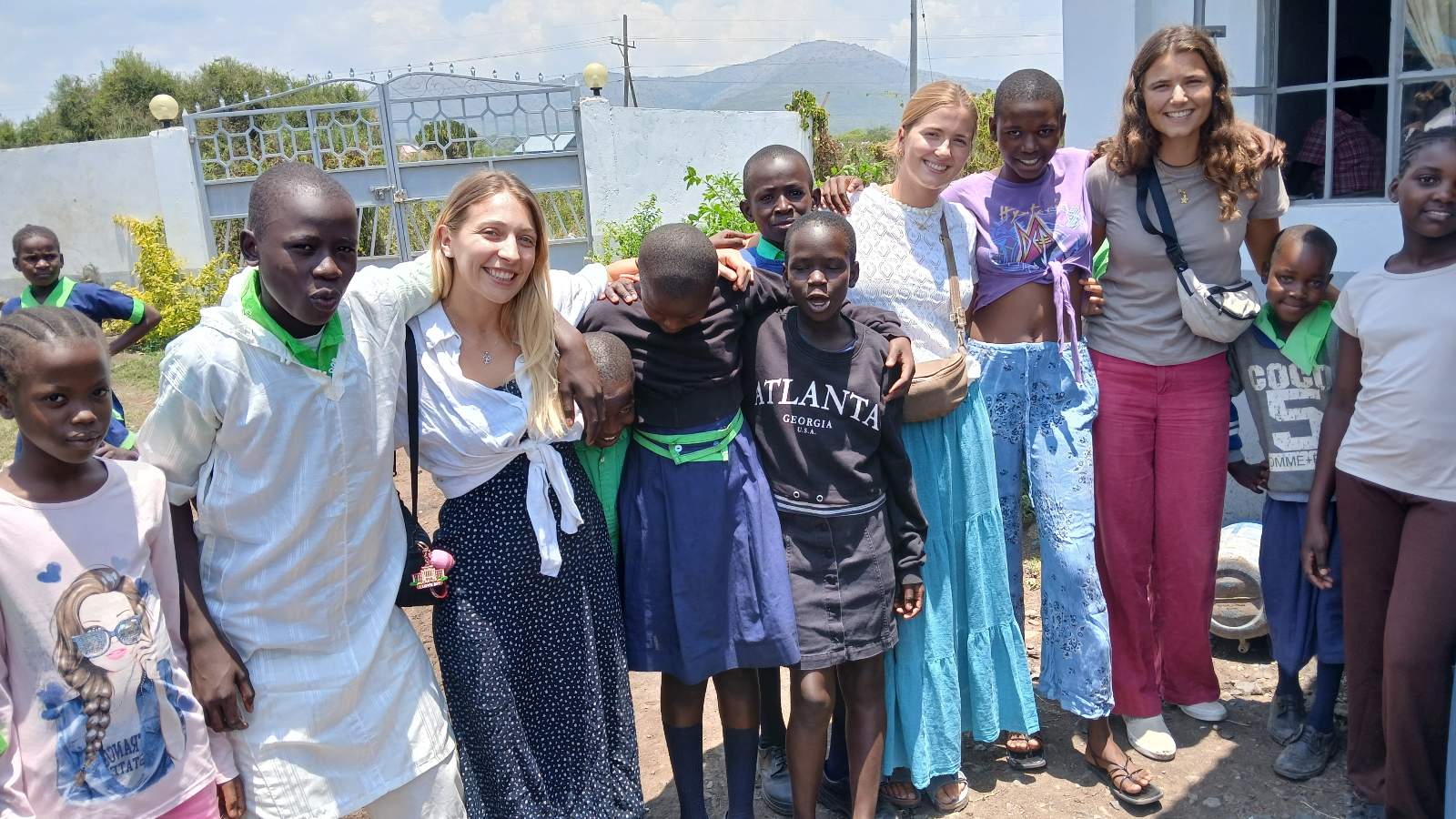
Yes. But leave the saviour mentality at home. You can help with teaching, reading, sport and school activities. You cannot arrive for three weeks and claim you have transformed a child's future. Support local teachers, follow safeguarding rules and remember that Kenyan families were educating their children long before you bought your plane ticket.
Can I volunteer with wildlife in Kenya?
Yes, and wildlife conservation is one of Kenya's biggest attractions. But conservation is not just elephants and lions. It is also land. Farmers need land. Communities need income. Tourism needs wildlife. Governments and conservation organisations have their own interests.
If you only want animals and photographs, call it tourism. If you want to understand conservation, ask who benefits and who pays the price.
Is Kenya really just safaris and beaches?
No. That would be a ridiculous way to understand a country of more than 57 million people. Kenya has Nairobi, farming communities, universities, informal settlements, businesses, coastal towns and rapidly changing cities. You can see extreme wealth and serious poverty within the same urban area. A safari tells you very little about how most Kenyans actually live.
Can I volunteer in rural Kenya?
Yes. Projects can involve schools, farming, conservation and community development. But do not treat rural Kenya as an untouched traditional world. People have phones, businesses, ambitions and political opinions. Young people move to cities. Others leave the country to find work. Rural Kenya is changing. If you volunteer there, pay attention to that change.
Does volunteering in Kenya actually help?
Sometimes. Sometimes it is mainly useful to the volunteer. Paying for a placement does not automatically create impact. Ask who designed the project, what local people actually want and what happens after you leave. Kenya already has large professional development programmes. A foreign volunteer working for two weeks is not going to solve Kenyan unemployment. Anyone promising that is selling you something.
What will I really learn from volunteering in Kenya?
Hopefully, Kenya cannot be reduced to poverty, wildlife or "African culture." You may encounter inequality, unemployment, migration, education, religion, entrepreneurship and conservation. You may also discover that some of your assumptions were simply wrong. If you arrive thinking you already understand Kenya, you are probably the person who has the most to learn.