Travel tips
Travel tips for Madagascar
Madagascar:
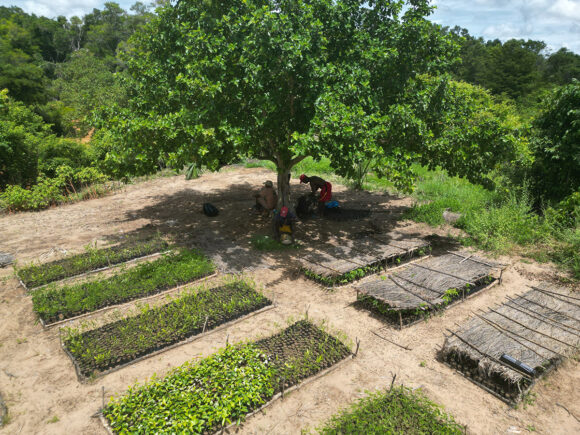
In Madagascar, the question of who controls the land is closely connected to poverty, farming, conservation and the future of local communities. Changes to land policy and land rights can affect farmers and communities when governments, investors and conservation organisations compete over how land should be used. This makes Madagascar particularly interesting for volunteers who care about sustainable and ethical travel. You can work in agriculture, conservation, education or community projects while seeing the difficult choices behind environmental protection and economic development. Volunteering in Madagascar can therefore give you a closer understanding of land rights and local empowerment, rather than reducing sustainability to planting a few trees and taking a photograph. If you are looking for volunteer opportunities in Madagascar, 'Host and Volunteer' connects you directly with local hosts and projects.
Why volunteer in Madagascar?
There is plenty to learn here. Madagascar has remarkable biodiversity, but also serious poverty, weak infrastructure and a population that depends heavily on farming and natural resources. You can volunteer in schools, on farms, in conservation or with local communities. But if you come knowing only about lemurs, you are going to miss most of the country.
Why is land such a big issue in Madagascar?
Because people need land to live. A farmer needs it for food. A family needs it for a home. A conservation group may want a forest protected. An investor may want the same land for something else. These interests can clash. Land rights in Madagascar are not an academic argument for the people affected. They can determine whether a family can keep farming.
Can I volunteer in conservation in Madagascar?
Yes. Many of Madagascar's plants and animals exist nowhere else. But do not assume conservation automatically benefits everyone. Protecting a forest can also restrict how local people use it. Ask who owns the land, who makes the decisions and what happens to nearby communities.
Can I volunteer on a farm in Madagascar?
Yes. Farming is a major part of life in Madagascar. You might work with crops, vegetables, livestock or organic farming. It will probably be more physical than you expect. Farmers deal with weather, roads, markets and access to resources. They do not need a foreign volunteer explaining how farming works. If you can help, good. If not, learn.
Does volunteering actually help poor communities in Madagascar?
Sometimes. Sometimes it doesn't. A project can look impressive and still achieve very little. Ask one simple question: what will still exist after I leave? If the answer is "nothing unless another foreign volunteer comes," that tells you something.
Can I volunteer with children in Madagascar?
Yes, particularly in schools and education projects. But do not turn children into the emotional story of your trip. Local teachers and families are there every day. Help where you are useful. Do not arrive with a saviour complex and a camera.
Is volunteering in Madagascar really sustainable?
That depends on the project. Calling something "sustainable" proves nothing. Look at who owns it, who runs it, where the money goes and whether local people have a real say. If the project needs a new group of foreigners every few weeks just to keep going, question the word sustainable.
What is volunteering in Madagascar actually like?
It can be uncomfortable. Roads can be bad, journeys can take much longer than expected and facilities outside the main towns may be basic. That is part of the country you are visiting. If you want reliable internet, comfortable transport and hot showers every day, Madagascar may frustrate you.
What should I understand before volunteering in Madagascar?
You are not going there to save anyone. You are going for a short time to work alongside people who have been dealing with these problems long before you arrived. They know their communities better than you do. Listen first. Do something useful. Ask questions. Accept that you will sometimes get things wrong.