Travel tips
Travel tips for Nepal
Nepal:
Nepal has a simple problem that tourists rarely see: there are not enough good jobs. People leave their villages, young people leave the country, and families depend on money sent home from abroad. In many rural areas, roads are rough, schools have limited resources and healthcare is not easy to reach. That is where volunteering in Nepal can become interesting. You can teach, work on a farm, help in a school or join a community project and see how people actually live. You will not change Nepal in two weeks, and you should not pretend that you will. But you can be useful, learn something and see a country beyond the usual tourist story. 'Host and Volunteer' brings together volunteer opportunities in Nepal and connects you directly with local hosts. The mountains are beautiful. Life underneath them is much more complicated.
“Nepal Volunteering Q&A”
What volunteer opportunities are available in Nepal?
Nepal gives you plenty of choices: schools, English classes, farms, construction, community projects, conservation and animal welfare. But location matters enormously. A project in Kathmandu is one thing. A school in a village reached by a rough road is another. Do not choose a project from a photograph of mountains and assume you know what daily life will be like.
Can I teach English in Nepal as a volunteer?
Yes, and there is a good reason English is valued. Nepal has a large migrant workforce, with many families depending on income earned abroad, and English can open doors to education, tourism and international work.
But here is the reality. Speaking English does not make you a teacher. If you have no teaching experience, start with conversation, reading, games or classroom assistance. Listen to the local teacher. You are there to help, not to redesign the education system.
Do I need previous volunteering experience to volunteer in Nepal?
No. You do not need a certificate proving that you are a professional do-gooder.
You need to be useful. Can you teach? Use a computer? Take photographs? Build something? Work with children? Help on a farm? Organise an activity? Even being punctual and willing to do unpleasant jobs is more valuable than a long speech about wanting to make a difference.
Can I volunteer on a farm in Nepal?
Yes, particularly if you want something far removed from ordinary tourism. Farming is still fundamental to rural Nepal, and projects can involve vegetables, crops, animals and organic farming.
Expect actual farm work. Dirt under your fingernails is more likely than a perfect Instagram photograph. Depending on the season, you could be planting, carrying things, harvesting or working in rain and heat.
Can I volunteer in rural Nepal?
Yes, but do not romanticise it.
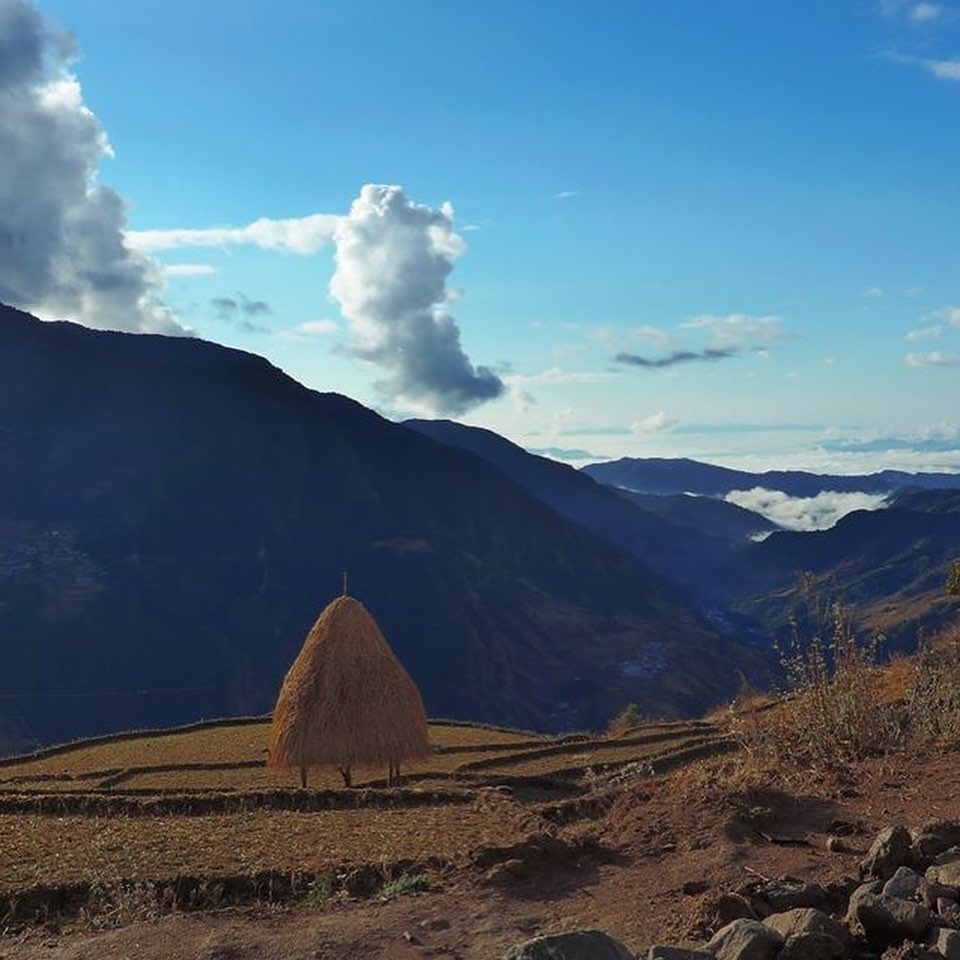
Rural Nepal can mean beautiful landscapes, strong community relationships and a much slower pace of life. It can also mean poor roads, unreliable electricity or internet, limited healthcare and fewer educational and employment opportunities. Many young Nepalis leave their villages to find work elsewhere, including overseas. If that sounds uncomfortable, good. You should know it before you arrive.
But poverty does not mean stupidity or helplessness. Rural Nepalis know how to farm, build, trade, raise children and survive with resources that would frustrate many foreigners within a week.
Can I volunteer with children in Nepal?
Yes, especially in schools and education projects. Just remember that you are working with real children, not collecting heart-warming memories for your social media account. A short-term volunteer should not be given responsibility that belongs to a trained teacher. Help with lessons, English, reading, sport or activities, and understand the boundaries of your role.
Can I combine volunteering with travelling around Nepal?
Yes. That is one of the advantages of Nepal. Kathmandu, Pokhara, Chitwan, Gorkha and the mountain regions offer very different experiences. But if you spend three days in a village and then rush to the next tourist attraction, you have travelled through Nepal. You have not necessarily experienced it. Staying longer gives you the chance to notice the boring things too: how people work, what they eat, how children go to school and why young adults leave. Those details tell you more about a country than another photograph of Everest.
What is volunteering in Nepal really like?
Expect some inconvenience. Nepal's infrastructure can be frustrating, particularly outside the major cities. Roads can be difficult, electricity can fail, internet connections can disappear and basic facilities may be very different from what you are accustomed to.
Nepal has also had to deal with serious natural disasters. The 2015 earthquake killed nearly 9,000 people and injured more than 22,000, and floods and landslides continue to affect communities.
So yes, Nepal is beautiful. It is also a country dealing with poverty, migration, disasters and uneven access to services. You should be prepared to see both.
Can I find different Nepal volunteer projects in one place?
Yes. 'Host and Volunteer' lets you look at different local projects and contact hosts directly. Use that freedom properly. Ask what you will actually be doing, where you will sleep, what is included, what you are expected to contribute and what the community needs. Do not hand over money simply because a volunteer website has a picture of a smiling child and a Himalayan mountain in the background. Ask questions first. That's how you avoid a bad volunteer experience.