Volunteer in Uganda

2 programs available in Construction

No destinations match your search.
Free 8 weeks Age 21+ Wi-Fi available

Trust Primary School is a private nursery and primary school in Kaggulwe LC 1, Uganda, serving children aged 3 to 14. Our vision is "Empowering minds, fostering the future." We began with just two children — my daughter, Shalom Ann Mercy, and Doreen, a neighbour's child. By the end of the first year, we had grown to 14 pupils. Because our school is Christian-founded in a mainly Muslim district, some in the community initially feared their children would be converted. But I stayed focused on the children and our vision. Parents who gave us a chance saw their children learning and cared for — and trust replaced fear. Today, Trust Primary School serves 300 children. Muslims are now the majority of our pupils, and they are thankful — we even have the children of sheikhs learning here. The community that once feared us now trusts us with their children. We welcome volunteers who share our belief that every child, of every faith, deserves a strong education.
€184 per week 1 week - 12 weeks Age 18+ Wi-Fi available

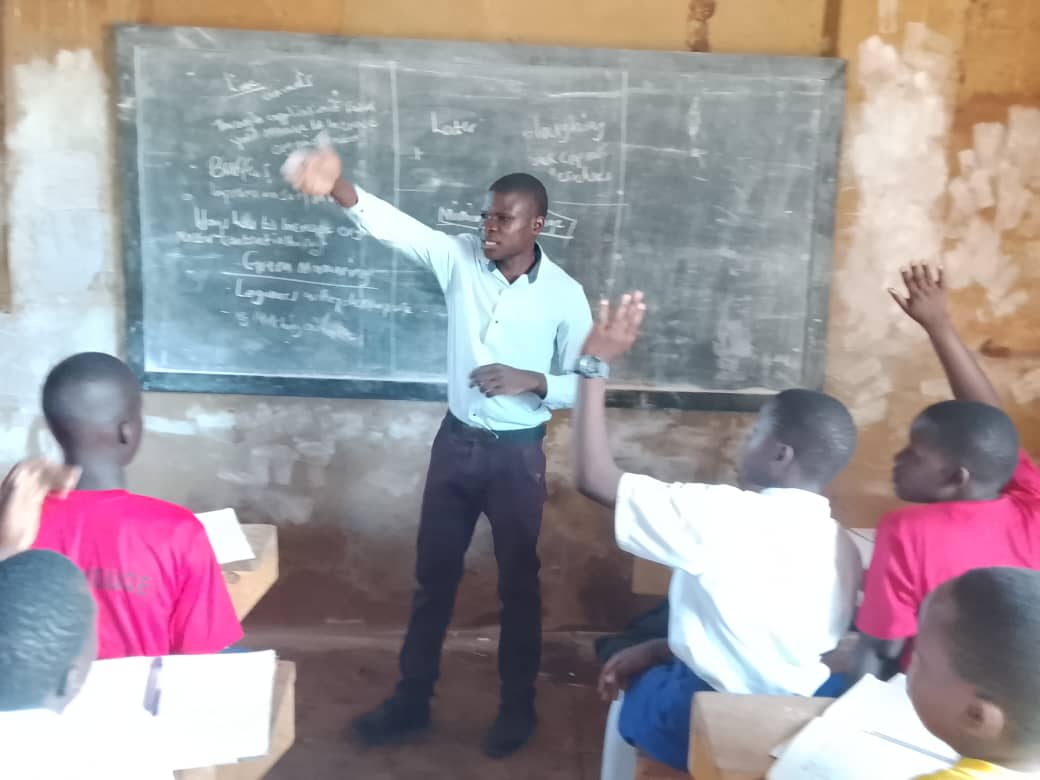
Paris High School Uganda is a young secondary school located in Eastern Uganda, near Jinja City, established to provide quality education and create opportunities for young people, particularly students from disadvantaged backgrounds. Our mission is to nurture academic excellence, Christian values, practical skills, confidence, responsibility, and lifelong learning while helping every student reach their full potential. We believe education goes beyond the classroom. Alongside academic subjects, students participate in sports, agriculture, creative activities, and other school programmes. We welcome international volunteers who can support students through teaching, conversation practice, educational activities, sports, arts, agriculture, and other areas based on their skills and interests. Volunteering with us also provides an opportunity to experience Ugandan culture, education, and community life while taking part in meaningful cultural exchange. As we continue developing the school and working toward greater self-sufficiency through education and agriculture, volunteers become part of our journey to create better opportunities for young people. We welcome kind, responsible, and enthusiastic volunteers who are ready to serve, learn, share their experiences, and make a positive difference in our school community.

Travel tips

Travel tips for Uganda

Uganda:

Uganda is a great choice if you want volunteering and travel to be part of the same experience. Many international volunteers come to help with education, children, community projects, healthcare or conservation, but honestly, that is not the only reason people go. Uganda also offers wildlife, national parks, local communities and the chance to experience everyday life far beyond the usual tourist route. For younger travellers, it can mean gaining experience, meeting people from around the world and doing something completely different from a normal holiday. If you are looking for volunteer opportunities in Uganda, 'Host and Volunteer' connects you directly with local hosts and projects.

Why do people volunteer in Uganda?

The honest answer is that people volunteer for different reasons. Some genuinely want to contribute, while others want adventure, cultural experience, work experience or simply something different from a normal holiday. There is nothing wrong with that. What matters is whether the project is useful to the local community.

What is volunteering in Uganda really like?

Do not expect it to feel like a holiday. You may work in a school, community project, farm or conservation programme, often with fewer resources than you are used to. That can be challenging, but it is also where much of the learning happens.

Can I volunteer with children in Uganda?

Yes, but I would be careful about choosing a project. Working with children should not be treated as a tourist attraction. Look for projects with proper safeguarding and a clear role for volunteers. Supporting teachers and existing programmes is usually more useful than arriving with the idea that you can fix everything.

Because Uganda has remarkable wildlife and some of Africa's most important natural habitats. Gorillas, chimpanzees, elephants and lions attract visitors from around the world. Conservation volunteering gives you a chance to understand what is involved in protecting these animals, rather than simply photographing them.

Can I see gorillas while volunteering?

Yes, but do not confuse volunteering with gorilla trekking. They are different experiences. Gorilla trekking requires a permit and careful planning. If you have the opportunity to do both, you will see Uganda from two very different perspectives.

Can volunteering help me understand rural Uganda?

Yes, probably more than a few days of sightseeing will. You may see how people depend on farming, local trade, schools and family networks. But remember that one village is not “Uganda.” The country is much more diverse than that.

Does volunteering in Uganda actually help?

Sometimes it does, and sometimes the project is designed more around the volunteer than the community. Ask what the organisation actually needs before you sign up. A good volunteer is not the person who arrives thinking they have all the answers. It is the person who listens, does the work and fits into what is already happening.

Can I travel around Uganda after volunteering?

Absolutely. And you should if you have the time. Uganda has national parks, forests, lakes, mountains and very different regions. Travelling after your placement can also help you understand that the community where you volunteered was only one small part of the country.

Will volunteering change how I understand Africa?

It can, but only if you stop thinking about “Africa” as one place. Uganda is Uganda. It has its own history, politics, cultures, economies and problems. Spending time there will not make you an expert on Africa, but it may make you question some of the assumptions you arrived with.