About Us
Founded in 2013, MRCI is a government-approved organization dedicated to environmental research, conservation, community development, medical assistance, and content creation in Madagascar. Our work spans marine, forest, and turtle conservation, as well as English teaching and infrastructure projects in remote villages. In partnership with international organizations, we support long-term monitoring and species-focused initiatives to protect Madagascar’s unique biodiversity, both on land and underwater.
We provide a safe, inclusive environment for volunteers from around the world to create meaningful impact while fostering personal growth. Through sustainable research, conservation action, medical outreach, content development, and community engagement, we help improve local health and education. We also collaborate with other organizations to build a more resilient, inclusive, and sustainable future for Madagascar.
Program at a glance
Why choose us?
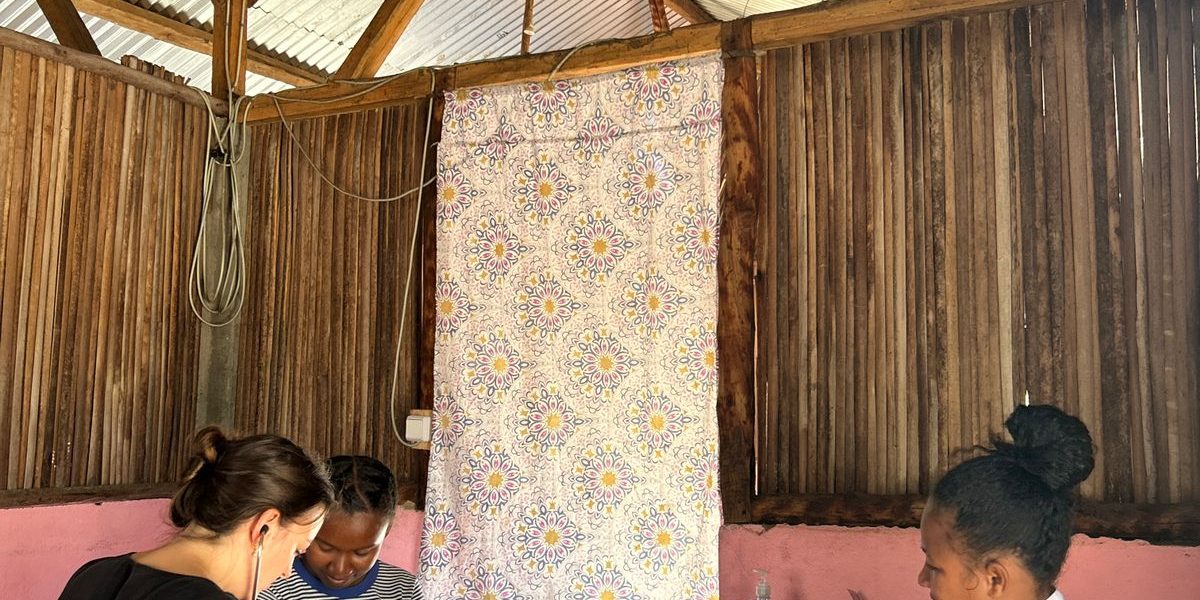
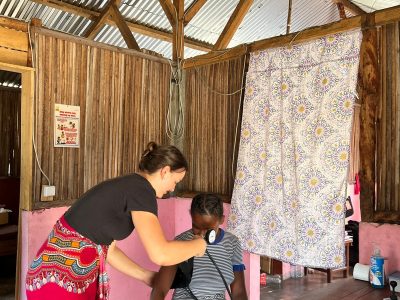
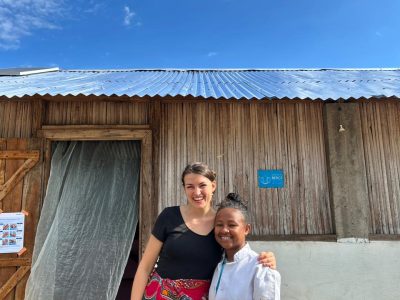
Our Medical Assistance Program improves healthcare access for underserved communities in northwestern Madagascar by providing essential medical services, health education, and medication distribution. Based at MRCI’s Turtle Beach camp in Ampohana, volunteers assist in community clinics, mobile outreach, chronic disease management, physiotherapy, and public health workshops, while collaborating with local health professionals. By combining hands-on medical support, cross-cultural exchange, and long-term community engagement, MRCI ensures that volunteers make a real difference in improving health outcomes and strengthening local well-being.
Requirements
Participants must be at least 18 years old on the program start date, although exceptions may be considered with written permission from a legal guardian or if accompanied by a parent. Volunteers should have an intermediate level of English to effectively communicate within the team and community. There are no nationality restrictions; helping hands from all around the world are welcome. A commitment is required from Monday to Friday, 08:00 to 16:30. Participants are also required to inform us in advance of any medical conditions, allergies, or dietary requirements to ensure appropriate support during their stay. Education requirements include medicine at the university level, and additional relevant skills such as medical, nursing, first aid, or similar experience are considered an asset. Required documents include a CV and proof of education.
Volunteer experience
NOTE: The schedule will vary widely depending on boats, tides, and other local conditions. Volunteers must follow instructions from in-country staff regarding timings and remain flexible. Daily life in Madagascar revolves around family, boats, and tides. Embrace the “mora-mora” way of life and avoid rushing; relax and enjoy the journey.
Typical Day: Each program includes morning and afternoon activities such as clinic visits, mobile outreach, or health education sessions. After dinner each evening, volunteers gather for a briefing to review the next day’s schedule and assignments. The schedule may vary depending on weather, community needs, and partner availability.
Sample Schedule:
- 05:30–07:00 Breakfast
- 06:30–08:00 Morning medical activities (clinics, outreach, workshops)
- 12:00 Lunch (camp or packed)
- 14:00 Afternoon activities (follow-ups, home visits, data entry, health education)
- 16:30–17:00 End of activities
- 18:00 Dinner
- 18:45 Evening briefing for next day
To ensure the sustainability of our programs and to support our partners and communities, program fees are essential. Below is a list of costs for each program:
Medical Assistance:
- 2 weeks: €896
- 3 weeks: €1143
- 4 weeks: €1391
- 5 weeks: €1638
- 6 weeks: €1886
- 7 weeks: €2133
- 8 weeks: €2381
- 9 weeks: €2628
- 10 weeks: €2876
- 11 weeks: €3123
- 12 weeks: €3371
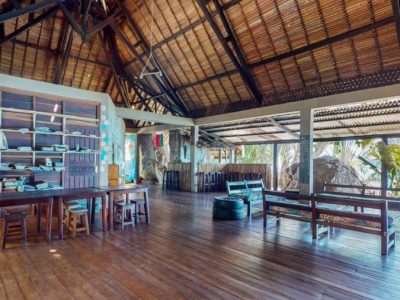
Our camp consists of a series of locally built bungalows fitted with bunk beds that serve as volunteer sleeping quarters. Volunteers can expect to share a hut with three to four other volunteers and must bring their own bedding, mosquito net, and towels. There are several bathroom facilities equipped with running water, flush toilets, and cold-water showers.
Private rooms are available at an additional cost and are subject to availability. Single private rooms cost $230 per week, and double private rooms cost $280 per week.
Our camp is eco-friendly, with solar-powered lighting throughout. There are no charging facilities for electronic devices, so volunteers are encouraged to bring a solar panel and battery pack to keep their devices charged.
On camp, three meals per day are provided seven days a week. Each meal is prepared by our on-site cooks using traditional Malagasy cooking methods and fresh, locally grown, seasonal produce. Most meals are rice-based, typically served with beans cooked in a vegetable sauce, along with side vegetables. Menus vary depending on the season and availability of local produce.
Some meals may include fish or seafood, beef (zebu), or chicken. When included, meat is typically prepared in a sauce, cut into small pieces, and served over rice. In addition to bananas, breakfast usually consists of baguettes with jam, eggs, or crêpes.
A vegetarian option is available for all meals. However, due to logistical constraints and the remote location of the camp, we are unable to provide a vegan option.
Only cash is accepted on Nosy Be and Nosy Komba. There are no ATMs on Nosy Komba, so all cash must be withdrawn on Nosy Be. ATMs generally accept VISA cards, while only a few accept MasterCard. Volunteers typically find $50–$150 USD per week sufficient for snacks, souvenirs, and personal expenses.
Popular weekend activities (arranged independently unless stated otherwise) include:
- Lokobe Forest Reserve
- Discovery SCUBA diving (through MRCI)
- SCUBA training (through MRCI)
- Guided exploration of Nosy Komba with a local guide (medicinal plants, wildlife)
- Tanikely Natural Reserve
- Nosy Iranja or Nosy Sakatia (swimming and snorkelling)
- Whale shark watching (seasonal)
- Sacred Tree or Sacred Waterfall visits on Nosy Be
- Mount Passot hike on Nosy Be
- Lemur Land Park (Nosy Be) or Lemur Park (Ampang Village, Nosy Komba)
- Ankarana National Park
- Amber Mountain National Park
- Plantation visits in Ambanja (mainland)
- Trips to Diego Suarez (Emerald Sea, Three Bays, Tsingy Rouge)
Photos (8 total)




Showing 5 of 8 photos