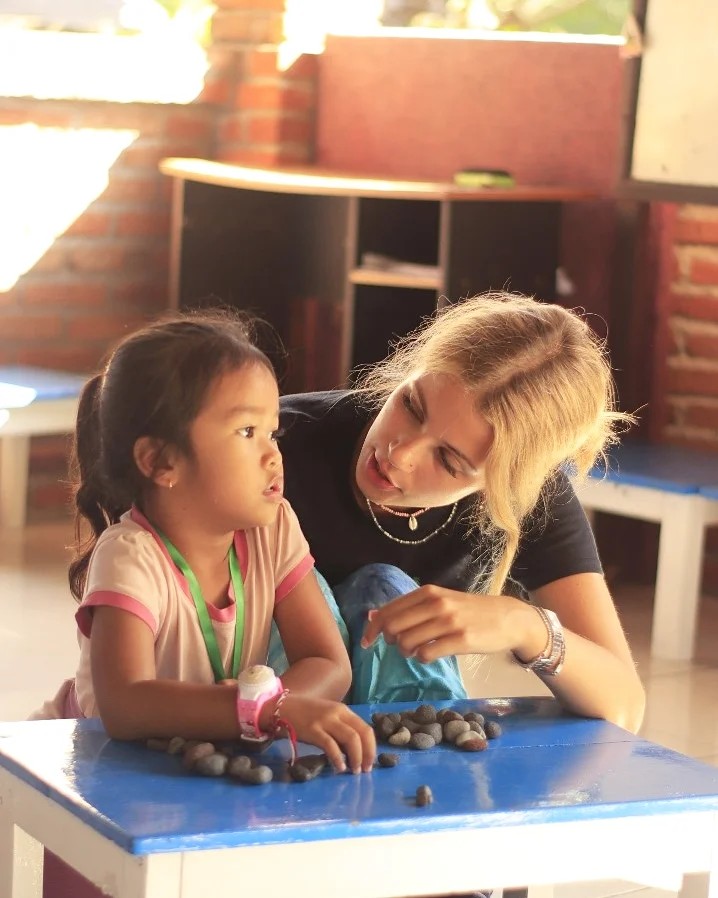

Our Childcare and Teaching Program in Bali offers volunteers the opportunity to make a meaningful impact on local communities while experiencing authentic Balinese culture. The program supports local kindergartens and community schools where resources are often limited and additional support is highly valued. Volunteers assist local teachers with basic English lessons, creative activities, games, arts and crafts, and general classroom support. The focus is not on formal teaching, but on creating a fun, engaging, and supportive learning environment for children. No teaching qualification is required—just enthusiasm, patience, and a genuine interest in working with children. Outside of volunteering hours, participants have plenty of free time to explore Bali, relax, or connect with fellow volunteers from around the world. Accommodation, daily support from our local team, and a welcoming community atmosphere are all included in the experience.
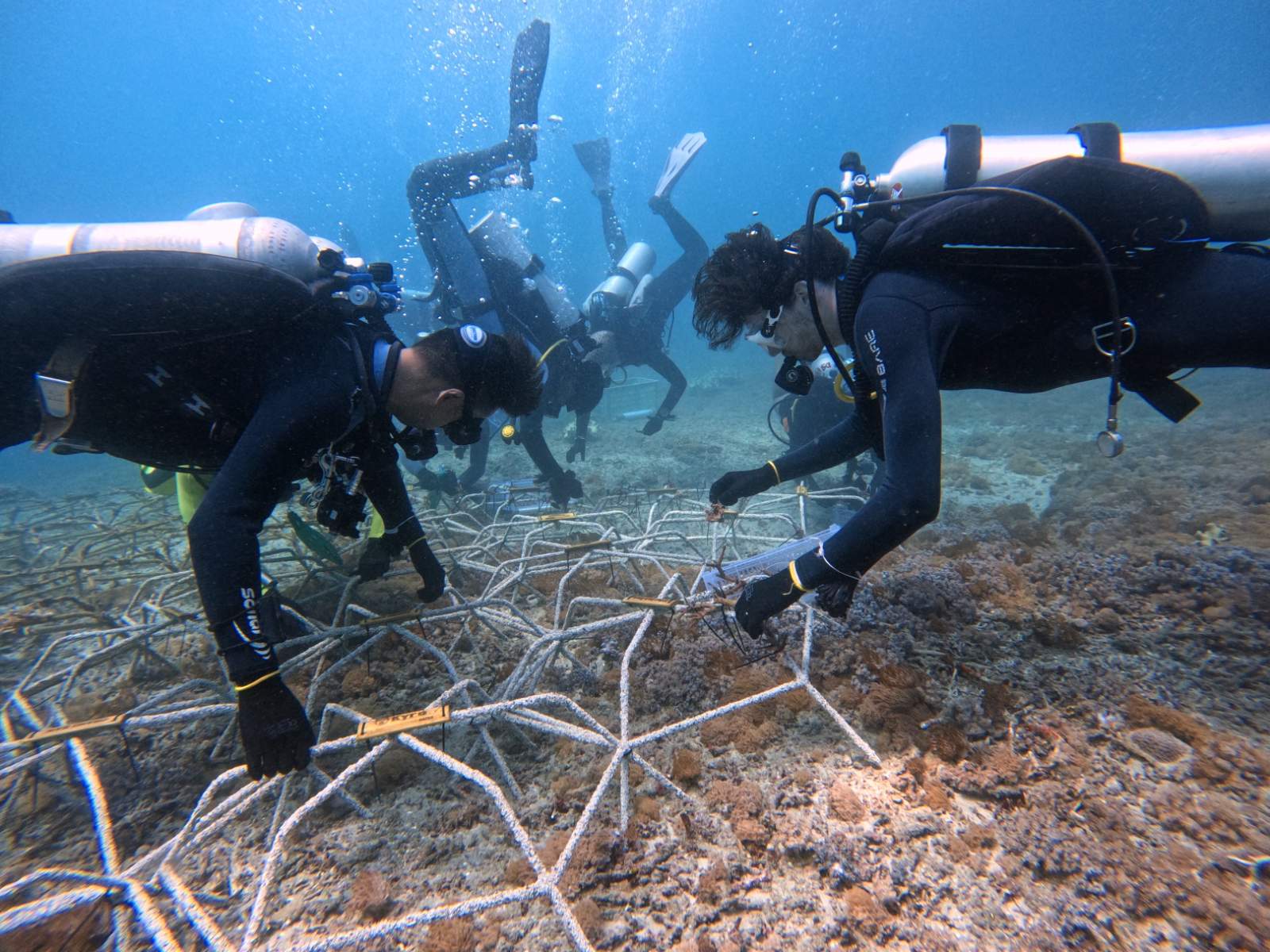
The Livingseas Coral Restoration Site is the largest project of its kind in Bali, covering more than 9,000 m² and comprising over 9,200 reef structures. Led by the Livingseas Foundation and managed by Livingseas Asia, the initiative aims to restore 5 hectares (50,000 m²) of coral reef habitat stretching from Padangbai to Amuk Bay. Coral reef restoration is at the heart of our mission. Since 2019, Livingseas has been leading one of Indonesia's largest coral restoration initiatives off the coast of Padangbai, a traditional fishing village in northeastern Bali. This ambitious project continues to expand, making a significant contribution to marine conservation while helping restore vital reef ecosystems. Livingseas has earned international recognition for its work, including the prestigious Blue Water Heroes Award presented by Dr. Sylvia Earle. Our founder, Leon, has also delivered a TEDx talk in Singapore and has been featured by the Coral Restoration Consortium (CRC) for his contributions to coral restoration and marine conservation. Beyond reef restoration, Livingseas is committed to inspiring and training the next generation of marine scientists, conservationists, and ocean advocates. Through our Restoration & Research Internships, marine conservation placements, ecotourism internships, and volunteer programmes, participants gain practical, hands-on experience in reef restoration, scientific research, and environmental conservation while developing the skills needed to help protect marine ecosystems around the world.

Blue Heart Bali is a 100% locally led, grassroots non-profit organization based on the peaceful northeast coast of Bali, in the traditional fishing village of Tianyar. Our mission is to restore damaged marine ecosystems while empowering the local community through education, environmental stewardship, and sustainable development. Years of unsustainable fishing, coral harvesting, and plastic pollution severely damaged the area's coral reefs. In response, we build and deploy artificial reef structures to restore marine habitats, protect biodiversity, and support sea turtle conservation efforts. Alongside our environmental work, we run free community learning programs for local children, where volunteers assist with English lessons, creative arts, and environmental education. By living and working alongside local fishermen and villagers at our beachfront volunteer camp, Boo Boo House, volunteers experience authentic Balinese culture away from mass tourism while making a meaningful and lasting impact on both the community and the marine environment.

The Bali Volunteer Program offers a meaningful opportunity to support local children while experiencing authentic Balinese village life. Based in the coastal village of Seraya in East Bali, the program focuses on improving children’s English skills through fun, interactive, and engaging learning activities that encourage confidence and participation. Volunteers work closely with local schools and community members, delivering informal English lessons using games, songs, arts and crafts, storytelling, and outdoor activities. Rather than formal classroom teaching, the focus is on creating a positive learning environment where children feel comfortable using English in everyday situations. In addition to volunteering, the program includes cultural experiences such as making traditional offerings, joining Balinese cooking classes, and learning about local customs. This allows volunteers to move beyond tourist areas, connect with the community, and gain a deeper understanding of Balinese traditions and daily life.

We’re a small, youth-led team passionate about education, nature, and community development. Our staff come from local villages and nearby towns, and many are teachers, beekeepers, conservationists, scuba divers, or university students who grew up in the area and now want to help protect it. We work closely with community members, parents, and local leaders to ensure every backpacker feels welcomed and supported. Backpackers can expect to be treated like part of the family. From the moment you arrive, we help you settle into your cabin, introduce you to local customs, and guide you through activities at a comfortable pace. We are friendly, patient, and always ready to help—whether you need support with teaching, coral reef activities, travel guidance, understanding the culture, or simply learning how to open a coconut. We believe in mutual respect: We listen to your ideas. We support your learning. We regularly check in to make sure you feel safe, included, and valued. We share meals, laughter, and local stories just as we do with long-time friends. We also encourage cultural exchange, where backpackers can share their own skills, traditions, and experiences with the community. Many participants form lasting friendships and return in the future, continuing to support local initiatives in different ways. Our goal is to make you feel at home—not as a guest, but as a meaningful part of our community and the impact we create together.