

Volunteer Action for Change Kenya (VACK) is a non-governmental, non-profit organization founded by young Kenyans in 2015 to promote resilient and sustainable communities across the country. We address key socioeconomic challenges through grassroots action in education, health, leadership training, entrepreneurship, ICT development, and sustainable agriculture. We work to unlock the potential of young people, women, and marginalized communities, helping them become active, confident citizens capable of shaping their own futures. Our focus is especially on rural and disadvantaged groups, supporting skills development, employability, and community empowerment. VACK operates through partnerships with civil society, institutions, and organizations in Kenya and internationally. Our work is guided by voluntarism, intercultural exchange, and development cooperation, ensuring continuous innovation and impact. Mission: To improve and promote the well-being and development of communities through volunteer action. Vision: Volunteer action for sustainable development. Goals: Improve skills of youth and women, promote meaningful volunteering, encourage active citizenship, mobilize resources for community initiatives, and support social entrepreneurship and sustainable development. Strategic Objective: To empower communities to actively participate in society and civic action, enabling them to uphold their rights and contribute to development and policy processes.

Imara Community Growth Network (ICGN) is a community-based organization located in rural Kenya, dedicated to improving the lives of children, youth, and vulnerable families through education, empowerment, and sustainable community development. Our vision is to build thriving, self-reliant communities where every child has the opportunity to learn, grow, and succeed. Our mission is to promote education, child welfare, environmental conservation, and community empowerment through locally driven initiatives that create lasting positive change. The story of ICGN began with a simple desire to respond to the challenges facing children and families in our community. Many children were growing up in poverty, facing barriers to education, inadequate learning resources, food insecurity, and limited opportunities to reach their full potential. Seeing these struggles firsthand, local community members came together with a shared commitment to support vulnerable children and create pathways for a better future. What started as a small grassroots effort gradually grew into a trusted community network working closely with schools, families, and local leaders. Through dedication, volunteer support, and community partnerships, ICGN has expanded its activities to include educational support programs, mentorship, sports and recreation initiatives, environmental conservation projects, community outreach, and family empowerment activities. Today, ICGN works with children from diverse backgrounds, helping them access learning opportunities, develop confidence, and build essential life skills. We believe that sustainable development begins at the community level and that local people are best placed to identify and address their own challenges. For this reason, all our programs are designed and implemented in partnership with the communities we serve. Volunteers are an important part of our journey, as they share their skills, knowledge, and time to support our mission.
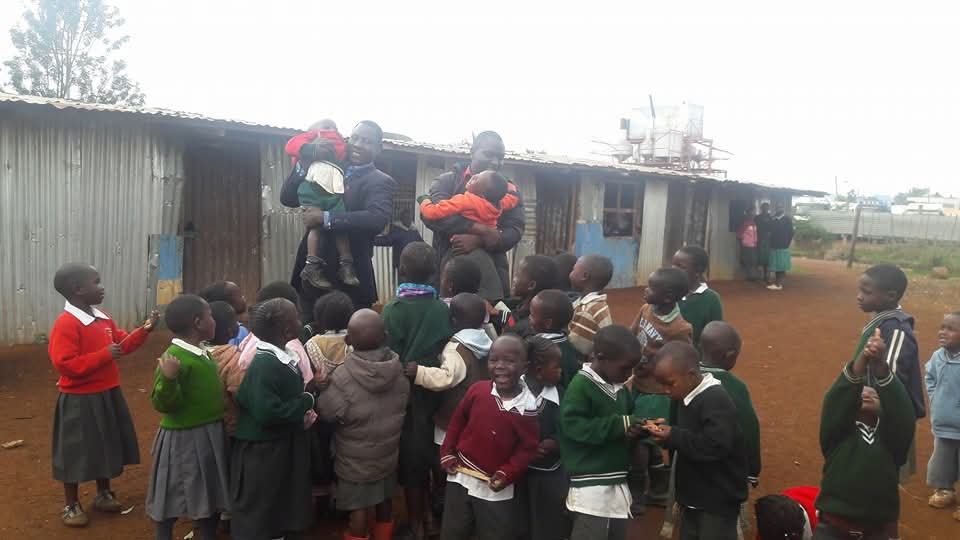
Tumaini Hands Mission (THM) is a community-based nonprofit founded in Eldoret, Kenya, with a simple belief: hope can transform communities when put into action. Founded in 2017 by local leaders and health workers, THM supports vulnerable children and families affected by poverty, school dropout, and limited access to healthcare. Today, we work across schools, health centres, and villages in Eldoret, Bungoma, and Trans Nzoia. Our programmes focus on education, healthcare, and community service, including early childhood learning, school mentorship, tutoring, health awareness, hygiene and nutrition outreach, and women and youth empowerment. As a grassroots, volunteer-led organization, we believe in living with the community, learning from the community, and serving where help is needed most. This is not just a visit—it is an opportunity to contribute to real community impact.
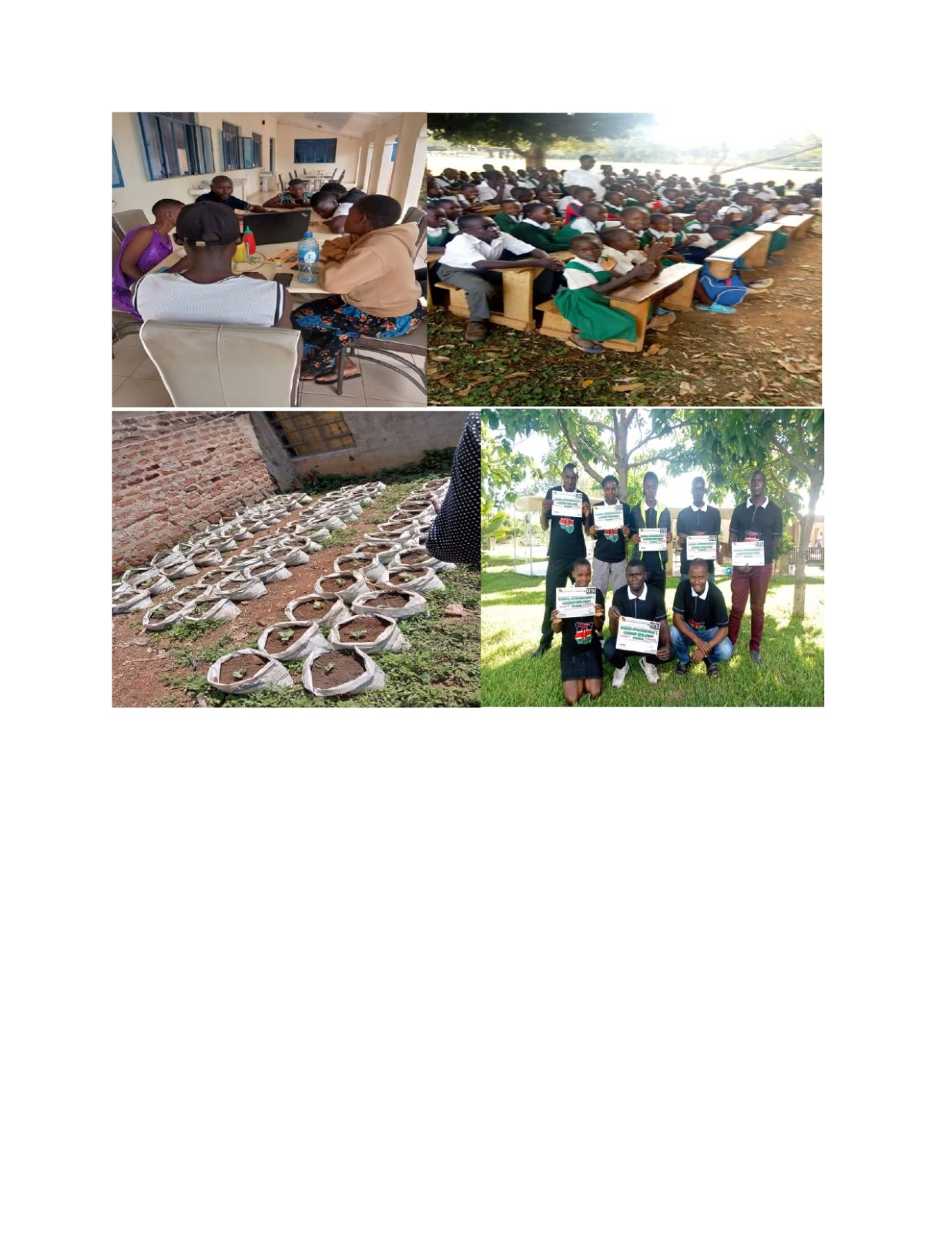
Kenya Voluntary Development Association (KVDA) is an indigenous, non-political, non-sectarian, and non-profit organization established in 1962 as a workcamp organization and registered as an NGO in 1993. For over six decades, KVDA has promoted voluntarism and community-led development, working with local communities and international partners to improve quality of life and create sustainable change. KVDA provides opportunities through workcamps, international and long-term volunteer placements, educational tours, community empowerment, enterprise development training, Kiswahili language teaching, intercultural education, and Erasmus+ programmes. Our work is guided by transparency, accountability, community ownership, experiential learning, continuous research, and regular project follow-up. We aim to create opportunities for young people, mobilize communities, raise awareness of development issues, promote global peace and friendship, and support grassroots development. With a 62-year history of developing against dependence, KVDA continues to build trust, cultural understanding, and lasting friendships with volunteers, communities, and partner organizations around the world.

Imara Community Growth Network (ICGN) is a community-based organization located in rural Kenya, dedicated to improving the lives of children, youth, and vulnerable families through education, empowerment, and sustainable community development. Our vision is to build thriving, self-reliant communities where every child has the opportunity to learn, grow, and succeed. Our mission is to promote education, child welfare, environmental conservation, and community empowerment through locally driven initiatives that create lasting positive change. The story of ICGN began with a simple desire to respond to the challenges facing children and families in our community. Many children were growing up in poverty, facing barriers to education, inadequate learning resources, food insecurity, and limited opportunities to reach their full potential. Seeing these struggles firsthand, local community members came together with a shared commitment to support vulnerable children and create pathways for a better future. What started as a small grassroots effort gradually grew into a trusted community network working closely with schools, families, and local leaders. Through dedication, volunteer support, and community partnerships, ICGN has expanded its activities to include educational support programs, mentorship, sports and recreation initiatives, environmental conservation projects, community outreach, and family empowerment activities. Today, ICGN works with children from diverse backgrounds, helping them access learning opportunities, develop confidence, and build essential life skills. We believe that sustainable development begins at the community level and that local people are best placed to identify and address their own challenges. For this reason, all our programs are designed and implemented in partnership with the communities we serve. Volunteers are an important part of our journey, as they share their skills, knowledge, and time to support our mission.

About Us Dyslexia Organisation Kenya (DOK) is a non-profit organization working to improve understanding, identification, and support for children with dyslexia and other neurodivergent learning needs in Kenya. Founded from lived experience, DOK was created in response to widespread misconceptions about invisible learning differences that often leave children unsupported in mainstream education. As part of this mission, DOK established Rare Gem Talent School, an inclusive school providing structured, strengths-based learning for neurodivergent children. Our Mission Through the Rare Gem Neurodiversity Education & Empowerment Programme, we support neurodivergent learners, build teacher capacity, and engage communities to promote inclusive education. We believe every child is a “rare gem” whose potential can thrive when learning differences are understood and supported with evidence-based approaches. What Volunteers Can Expect Volunteers join a hands-on, community-based programme where their skills make a real difference. They may support classroom learning at Rare Gem Talent School, assist with teacher training and learning materials, contribute to community outreach and awareness, or support communications and fundraising. Volunteers can expect meaningful impact, cultural exchange, and the opportunity to learn about neurodiversity while contributing to inclusive education in Kenya.

We are a non-profit organization dedicated to transforming the lives of vulnerable children in the community. Our programs focus on teaching and feeding initiatives aimed at providing children in surrounding villages with more sustainable education. Since local schools are often not as well organized as in Western systems, our goal is to help bridge this gap. We also work closely with private schools in the community to improve access to quality education.