

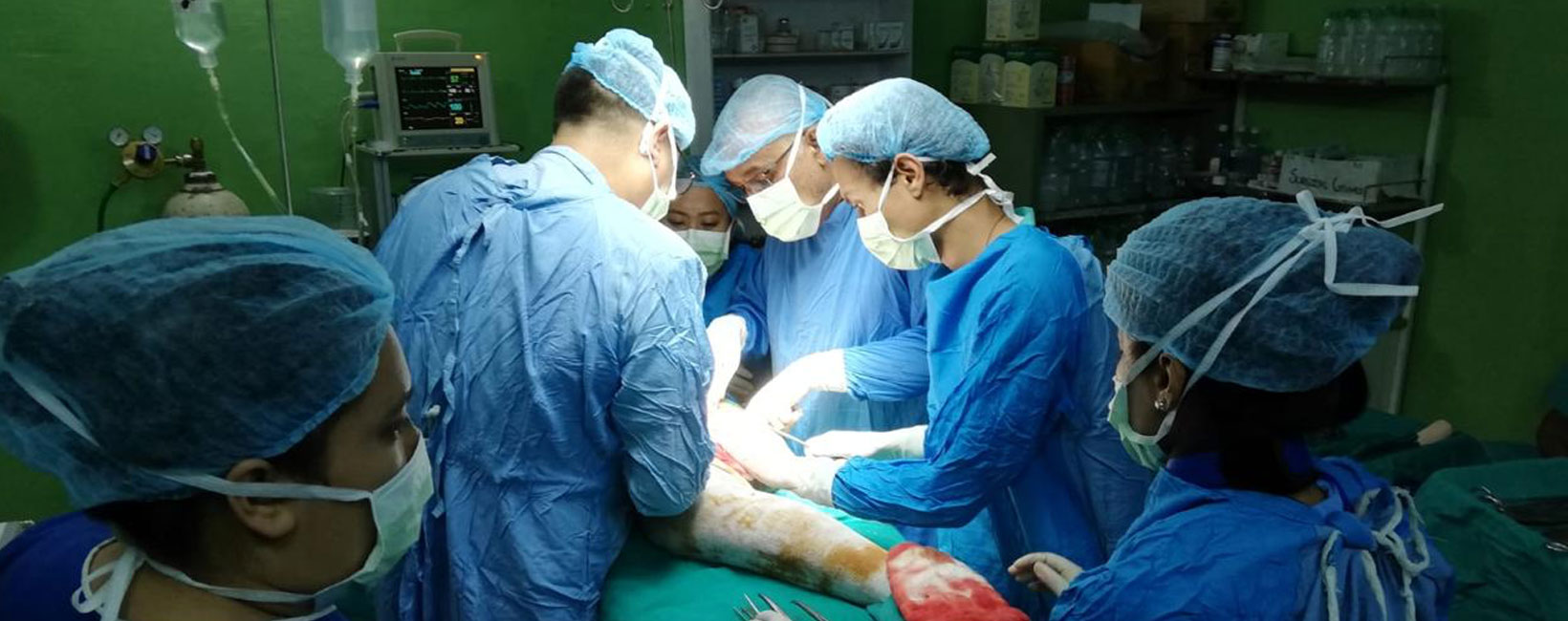
PSD Nepal has more than two decades of experience hosting international university students, researchers, faculty-led groups, and academic institutions from around the world. Our International University Internship & Medical Elective Program combines academic learning with practical field experience through placements in community development, research, public health, environmental conservation, education, climate action, and healthcare. Each internship or medical elective is tailored to the participant's academic background, learning objectives, and university requirements. Participants work alongside experienced professionals, community organizations, schools, researchers, public health practitioners, and healthcare providers, gaining valuable international experience while contributing to sustainable development initiatives in Nepal. Whether you are completing a university placement, undertaking field research, participating in a service-learning program, or pursuing a medical elective, PSD Nepal provides meaningful learning opportunities that combine professional development, cultural immersion, and community engagement.

PSD Nepal (Partnership for Sustainable Development Nepal) is a registered non-profit organization established in 2002, working to improve health, education, environmental sustainability, climate resilience, and community well-being across Nepal. Through partnerships with local communities, schools, health institutions, government agencies, and international organizations, PSD Nepal implements community-based programs that promote healthier and more resilient communities. Our Public Health & Community Health Volunteer Program provides volunteers with practical experience in health promotion, disease prevention, environmental health, and community education. Rather than providing clinical care, volunteers work alongside local health professionals and community leaders to support awareness campaigns, school health programs, hygiene promotion, nutrition education, environmental health initiatives, and preventive health activities. Depending on current projects, volunteers may also assist with community surveys, health research, health camps, educational materials, environmental health awareness, and project documentation. The program focuses on sustainable health promotion through education, participation, and community empowerment. This placement is ideal for students, graduates, and professionals who want to gain practical public health experience while making a meaningful contribution to community well-being in Nepal.

PSD Nepal (Partnership for Sustainable Development Nepal) is a registered non-profit organization established in 2002, working in climate action, public health, environmental conservation, education, and sustainable community development. Through partnerships with universities, research institutions, government agencies, and international organizations, PSD Nepal conducts interdisciplinary research that supports evidence-based policies and community resilience. The Climate Change, Health & Research Internship offers students, researchers, and early-career professionals the opportunity to gain practical experience at the intersection of climate change, environmental science, and public health. Interns contribute to ongoing research projects examining issues such as air pollution, climate-related health risks, environmental monitoring, disaster resilience, water and sanitation, and community adaptation. Depending on current projects, interns may assist with literature reviews, field surveys, environmental monitoring, GIS mapping, data management, statistical analysis, report writing, scientific publications, and stakeholder engagement. Placements combine office-based research with field experience, enabling participants to understand how scientific evidence informs policy, supports decision-making, and strengthens community resilience. This internship is ideal for students and professionals seeking hands-on research experience while making a meaningful contribution to sustainable development and climate resilience in Nepal.
Founded in 2011, Gap Year Nepal was created with the vision of making travel more meaningful through cultural exchange, community engagement, and responsible tourism. What began with gap year programs, volunteering, and internships has grown into a trusted organization offering trekking adventures, cultural tours, wildlife experiences, volunteer placements, internships, and tailor-made holidays across Nepal. Our mission is to create authentic and sustainable travel experiences that inspire personal growth while supporting local communities and preserving Nepal's rich cultural and natural heritage. We believe every journey should leave a positive impact through respect, learning, and meaningful connections. Working closely with local guides, family-run accommodations, and community partners, we ensure our programs directly benefit the people and places that make Nepal unique. Each itinerary is carefully designed to combine adventure with genuine cultural immersion. Today, Gap Year Nepal welcomes travelers from around the world, helping them discover not only the breathtaking Himalayas but also the warmth, traditions, and resilience of the Nepali people. We remain committed to using travel as a force for positive change, creating unforgettable experiences that leave a lasting impact on both our participants and the communities they visit.
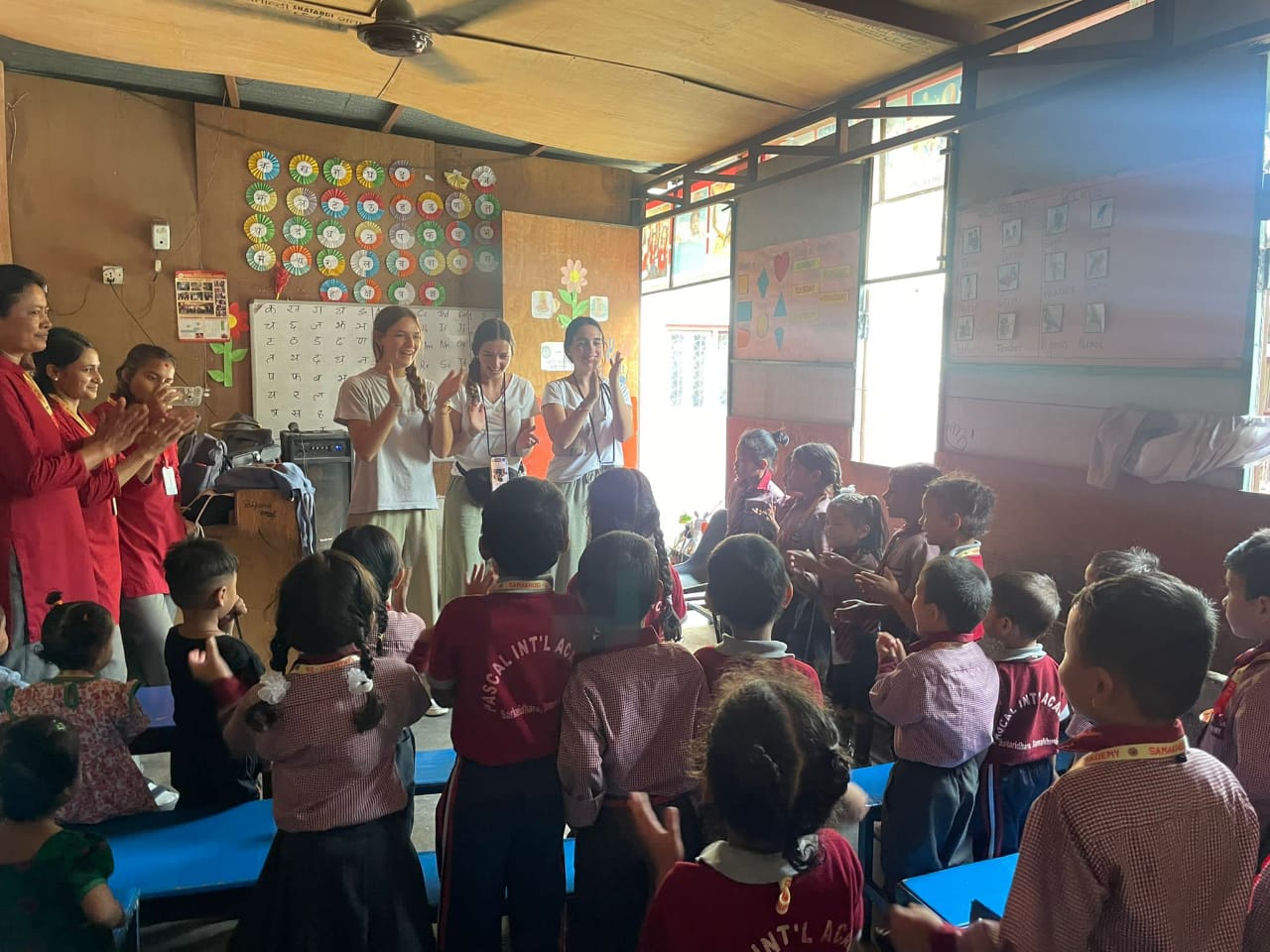
VolNepal's international internship programs are designed to provide transformative learning experiences that bridge academic knowledge with real-world practice. Rather than simply observing, interns become active members of local organizations, working alongside experienced professionals while gaining valuable industry exposure in a diverse cultural setting. Internships are available in fields such as healthcare, hospitality, education, social development, nonprofit management, environmental sustainability, and community development. Participants develop practical skills through meaningful responsibilities, collaborative projects, and day-to-day workplace experiences while making a positive contribution to local communities. Beyond professional development, interns immerse themselves in Nepal's rich culture, traditions, and way of life. Living within local communities provides opportunities to build genuine relationships, strengthen cross-cultural communication, and gain a broader global perspective. Each placement encourages creativity, adaptability, leadership, and problem-solving while helping interns understand the social and economic challenges faced by developing communities. Supported by experienced local mentors and the VolNepal team, interns receive guidance throughout their placement to ensure a rewarding and impactful experience. Whether seeking academic credit, career exploration, professional networking, or international work experience, VolNepal offers internships that enhance participants' resumes while fostering confidence, cultural awareness, and personal growth. More than just an internship, it is a life-changing journey that equips participants with practical experience, lifelong friendships, and the skills needed to thrive in an increasingly interconnected world.

Future Nepal is a volunteer organization in Nepal established in 2002 and registered with the Social Welfare Council of Nepal. It is a non-governmental and non-profit organization working under the principle of “change society by volunteering.” It was established with the objective of improving and promoting the status of the country through volunteering in Nepal. The members of the organization have extensive experience in volunteer work and are familiar with the various problems of society. At Future Nepal, we invite you to embark on a journey of positive change and contribute to a brighter future for Nepal. Whether you are a dedicated group, a passionate organization, or an individual seeking to make a meaningful impact, we extend a warm welcome. Established in 2002 and registered with the Social Welfare Council of Nepal, we are a non-governmental and non-profit volunteering organization committed to making a difference. Our mission is simple yet profound: to provide meaningful opportunities for volunteers and ourselves to foster a deeper understanding of one another. We welcome volunteers from around the world, offering them the chance to engage in life-changing projects across various fields.