

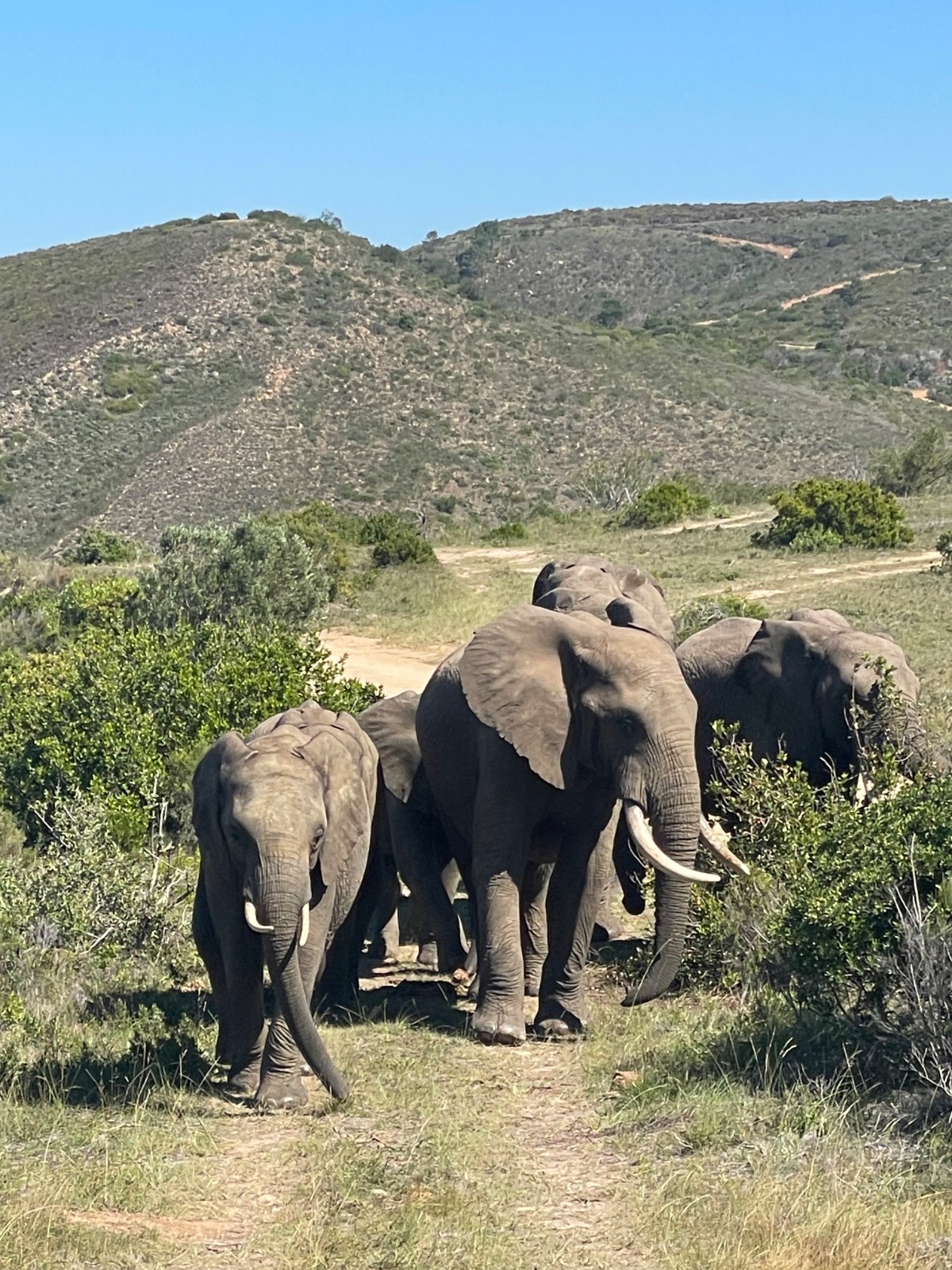
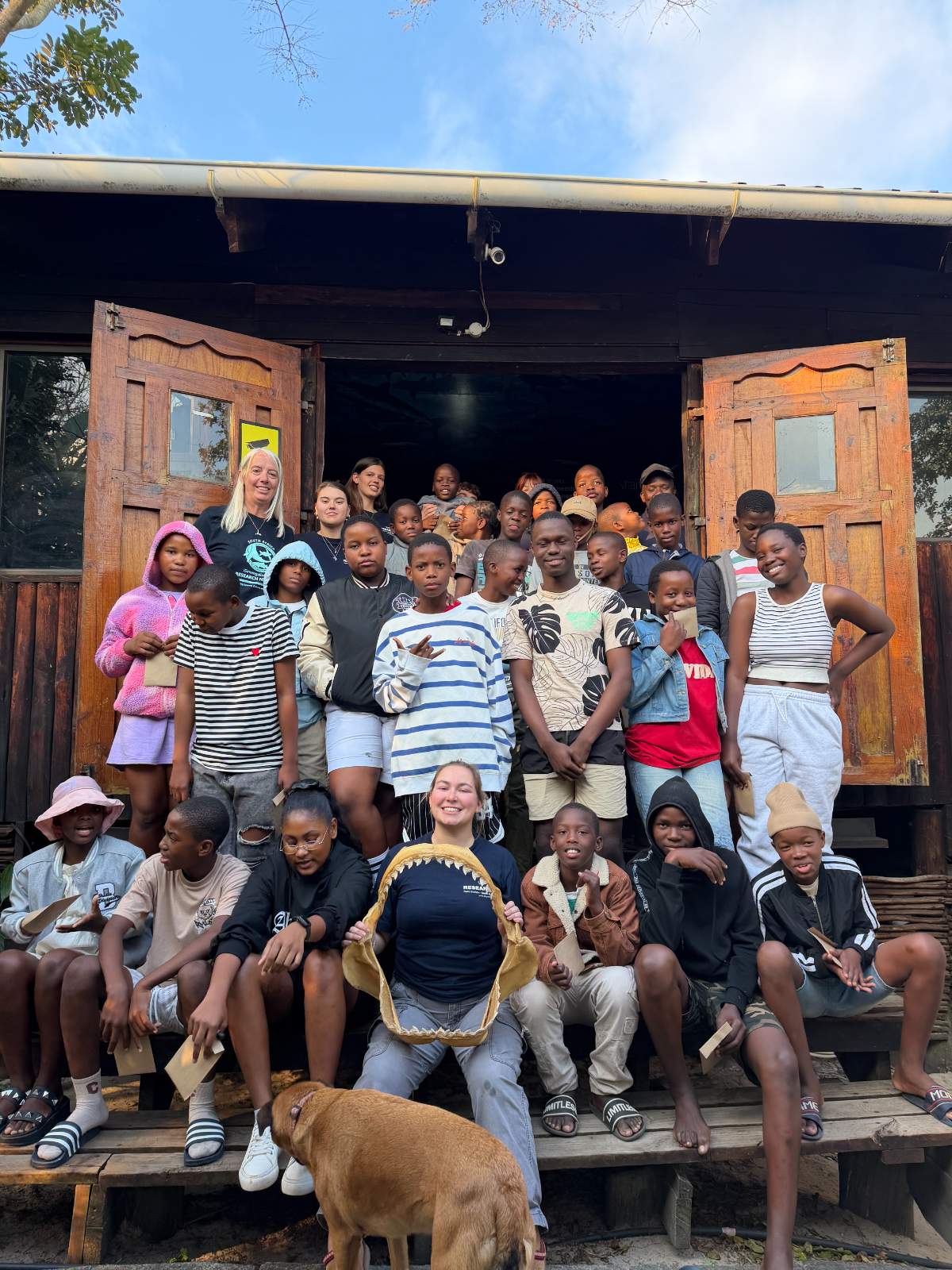
A Love Story That Inspired DAKTARI Ian and Michèle Merrifield officially opened DAKTARI Bush School in 2006, after years of dedication and hard work. They first met while Ian was working as a game ranger at Tshukudu Game Lodge and Michèle was volunteering there. While caring for injured zebras, wildebeest, and warthogs, they fell in love and shared a vision of protecting wildlife through education. DAKTARI’s mission is to educate and inspire local children to value their environment while supporting community development. Located in the South African bush near Kruger National Park, DAKTARI Bush School & Wildlife Orphanage is a local NGO founded in 2006. The organization provides environmental education programs where children stay at DAKTARI for five days to learn about wildlife conservation and their natural heritage. Children also help care for animals that cannot be released back into the wild, helping develop empathy, respect, and responsibility toward wildlife. Volunteers from around the world support the program by teaching lessons and helping guide children in animal care activities. In addition, DAKTARI runs an Outreach Program, including weekly ECO Clubs and Wildlife Crime Campaigns, to inspire positive attitudes toward environmental conservation within local communities.
TAILOR-MADE TRIPS Odyssey creates tailor-made trips for schools, student groups, volunteers, and travellers who want a journey designed around their goals, interests, and budget. Whether you are looking for a conservation-focused experience, an educational safari, a meaningful volunteer program, or a unique South African adventure, we work closely with you to create an itinerary that meets your needs from start to finish.
Sharklife is a South African non-profit marine conservation organisation established in 2005, dedicated to protecting and understanding marine environments through research, education, conservation initiatives, and hands-on field training. Based at our marine field station in Sodwana Bay within the iSimangaliso Wetland Park, Sharklife operates in one of South Africa’s most biodiverse marine environments. We work alongside researchers, conservation partners, and local management teams to collect valuable data, develop practical conservation strategies, and inspire the next generation of marine scientists and conservationists. Our programmes give participants hands-on opportunities to develop practical marine biology and conservation skills while contributing directly to meaningful research and conservation efforts. At the heart of our work is a commitment to fostering empathy for marine life, addressing the disconnect between people and the ocean, and creating positive, lasting change through science, education, and action.
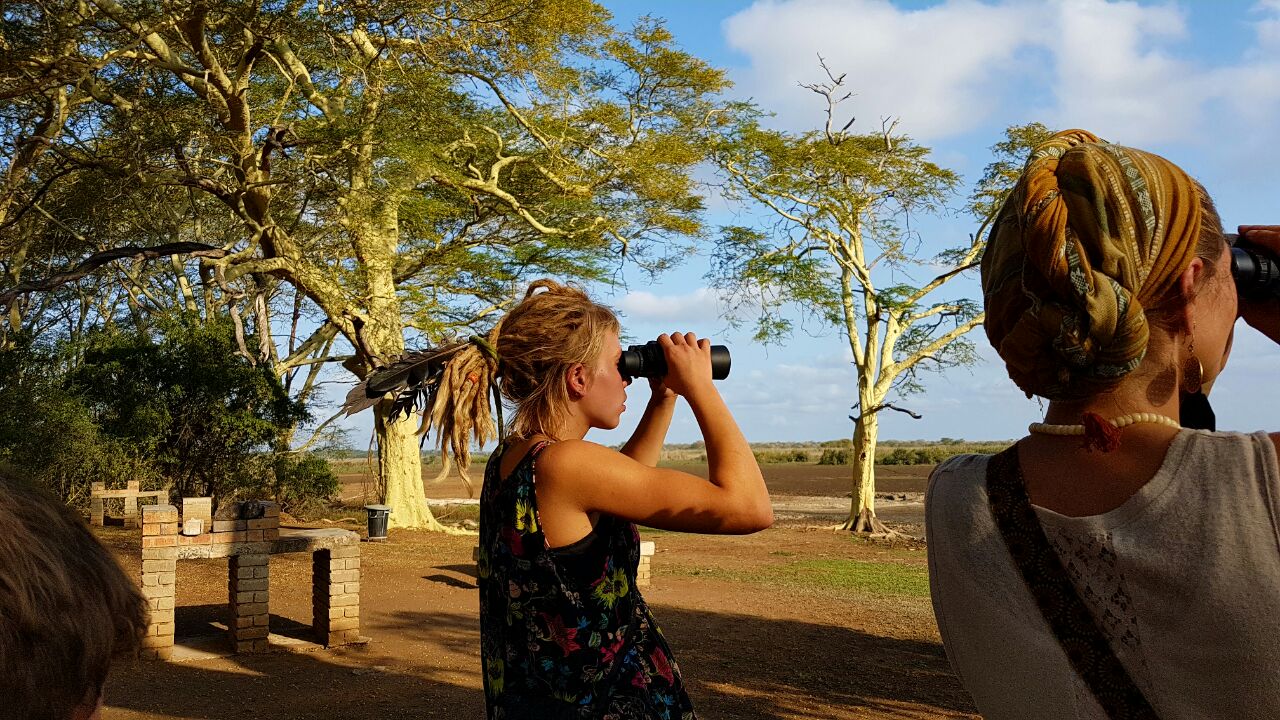
Our conservation camp is a welcoming base for travellers, students, and volunteers passionate about wildlife, nature, and environmental conservation. Surrounded by unspoiled beaches, forests, lakes, and rich Zulu culture, the camp offers a unique opportunity to experience the natural beauty of northern South Africa while making a meaningful impact. Our primary mission is to help protect the remaining hippos of Lake Sibaya, South Africa's largest freshwater lake. Volunteers contribute to wildlife monitoring, beach clean-ups, biodiversity surveys, and other conservation projects. Those with practical or creative skills can also assist with building and improving our base camp. Located near Sodwana Bay, famous for its world-class scuba diving, the camp is the perfect place to combine conservation, adventure, and an authentic African experience.
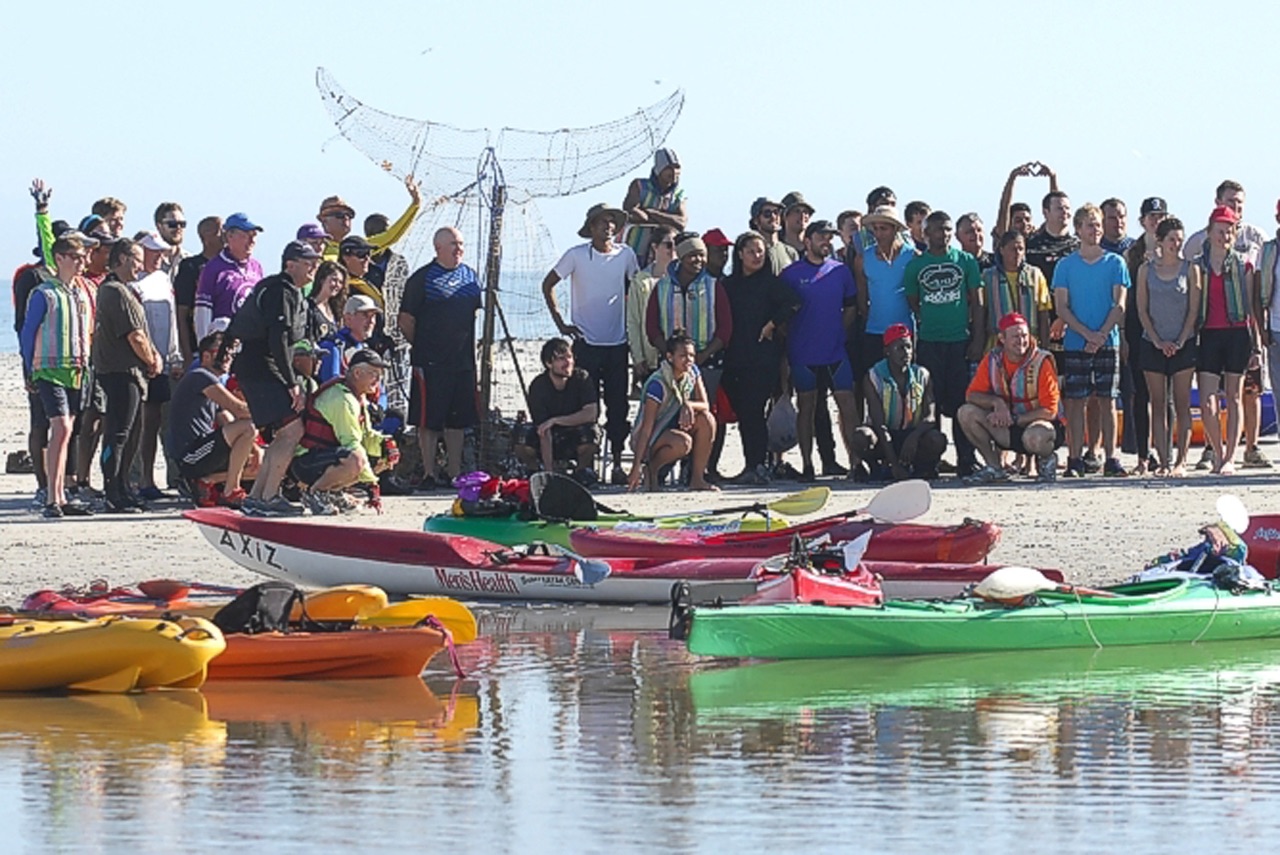
The Cape Nature Conservation project is based in a 250-hectare nature reserve in Cape Town, encompassing wetlands, an estuary, beaches, and endangered habitats that support a rich diversity of plants and wildlife. The reserve is home to hundreds of plant species, as well as a wide variety of birds, fish, reptiles, mammals, and amphibians. It also plays a vital role in protecting several endangered fish species. The project focuses on maintaining, restoring, and improving the ecological health and infrastructure of the reserve, with conservation efforts benefiting both flora and fauna. Environmental education is also a key component of the project, with volunteers helping to raise ecological awareness through educational programs at local schools. Founded in 2009, Good Hope Volunteers offers volunteers the opportunity to make a meaningful difference in disadvantaged communities and wildlife conservation projects while enjoying a life-changing experience. The organization partners with local nonprofit organizations and community initiatives that rely on volunteer support. Acting as a bridge between volunteers and local projects, Good Hope Volunteers helps organizations access the volunteers, funding, and resources they need to continue serving their communities. Good Hope Volunteers is committed to providing high-quality, meaningful volunteer experiences that benefit both participants and the communities or conservation projects they support. The organization is guided by the following values: - Openness and transparency - Respect and tolerance - Sustainable community development - Environmental conservation - Positive social and environmental change
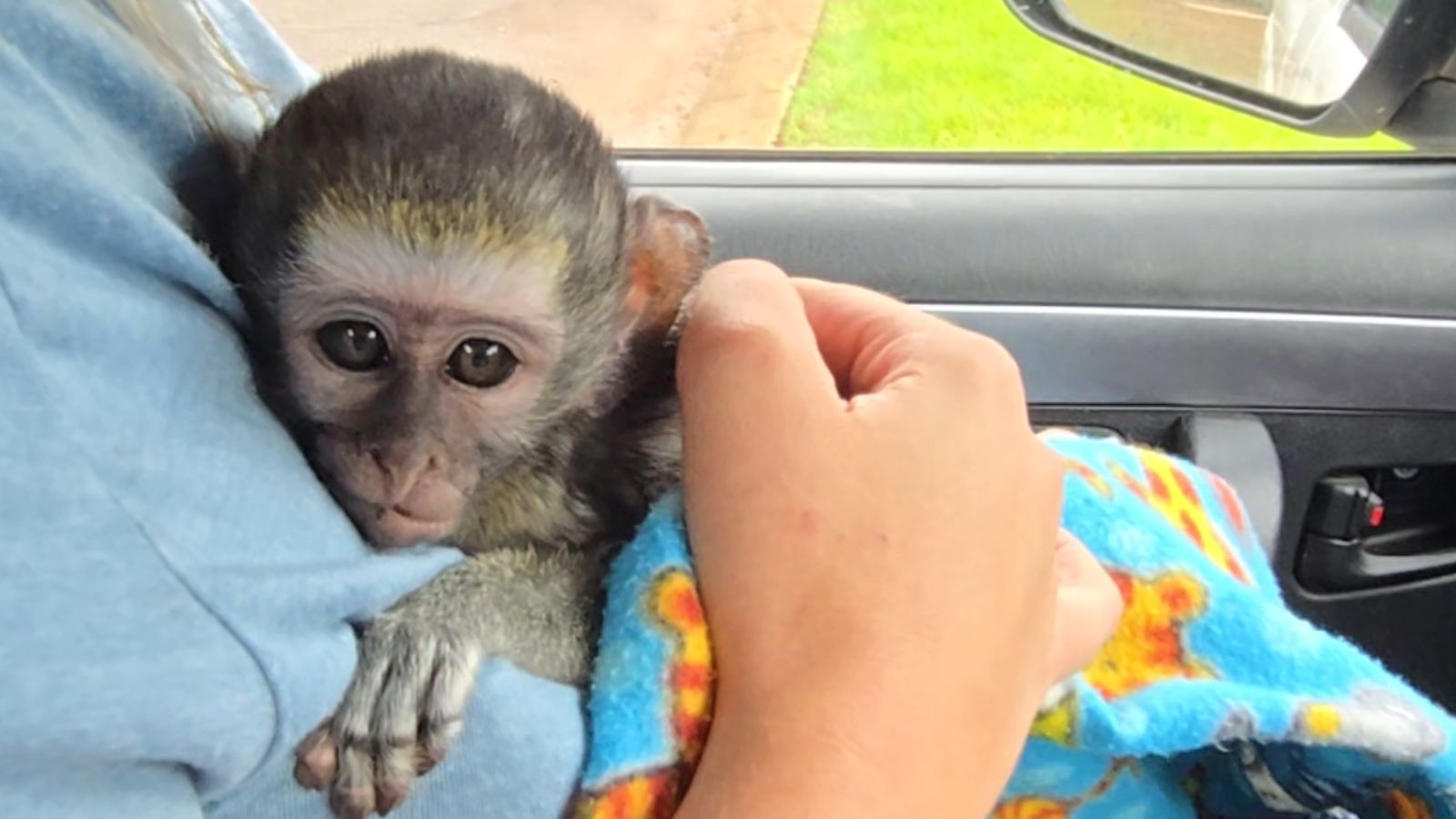
Welcome to the Vervet Monkey Foundation (VMF)! Established in 1993 in South Africa, our sanctuary was born out of urgent necessity. When a tiny orphaned baby vervet monkey was brought to founder Dave, he quickly discovered a tragic reality: there were no specialised facilities dedicated to rehabilitating or protecting this indigenous species, which is frequently misunderstood, orphaned through human conflict, or targeted as pests. What started with a single orphan soon evolved into a lifeline for thousands. Our Mission Our core mission is simple yet profound: to provide a sanctuary for abused, orphaned, injured, and lab-rescued vervet monkeys, while working tirelessly to conserve the species and their natural habitats. We believe that every monkey deserves a life free from exploitation, surrounded by their own kind. The VMF Story & Breakthroughs Over the past three decades, VMF has pioneered groundbreaking primate rehabilitation. We don’t just house monkeys; we help restore their identity. We achieved a world-first by successfully rebuilding natural, self-sustaining social structures from orphaned individuals, allowing them to form deep, complex bonds within a troop. From the intensive, around-the-clock care in our sickbay for vulnerable babies, to the gradual and rewarding process of integrating monkeys into a family, our work covers every stage of recovery. The Volunteer Experience As a volunteer, you are the backbone of our foundation. You won’t just be watching from the sidelines; you will be directly involved in making a difference. Your days will include preparing specialised diets, constructing and repairing essential infrastructure, assisting with enrichment activities to keep the monkeys stimulated, and witnessing incredible milestones—such as seeing an underweight orphan take its first brave steps into a new troop. By volunteering with us, you become a vital part of our ongoing history, helping us give these beautiful primates a second chance.