About Us
Shree Guru Jambeshwar Sewa Sansthan (SGJSS) is a registered non-profit society founded in 2007 and based in Jaipur, Rajasthan. For over 18 years, we have worked with smallholder and marginal farming families in the villages of Bikaner and Bharatpur.
Inspired by the Bishnoi tradition, which emphasizes protecting trees, wildlife, and water, our work focuses on practical, community-led development. Our programmes cover sustainable agriculture and rural livelihoods, environmental conservation, women’s empowerment, rural health, and digital literacy.
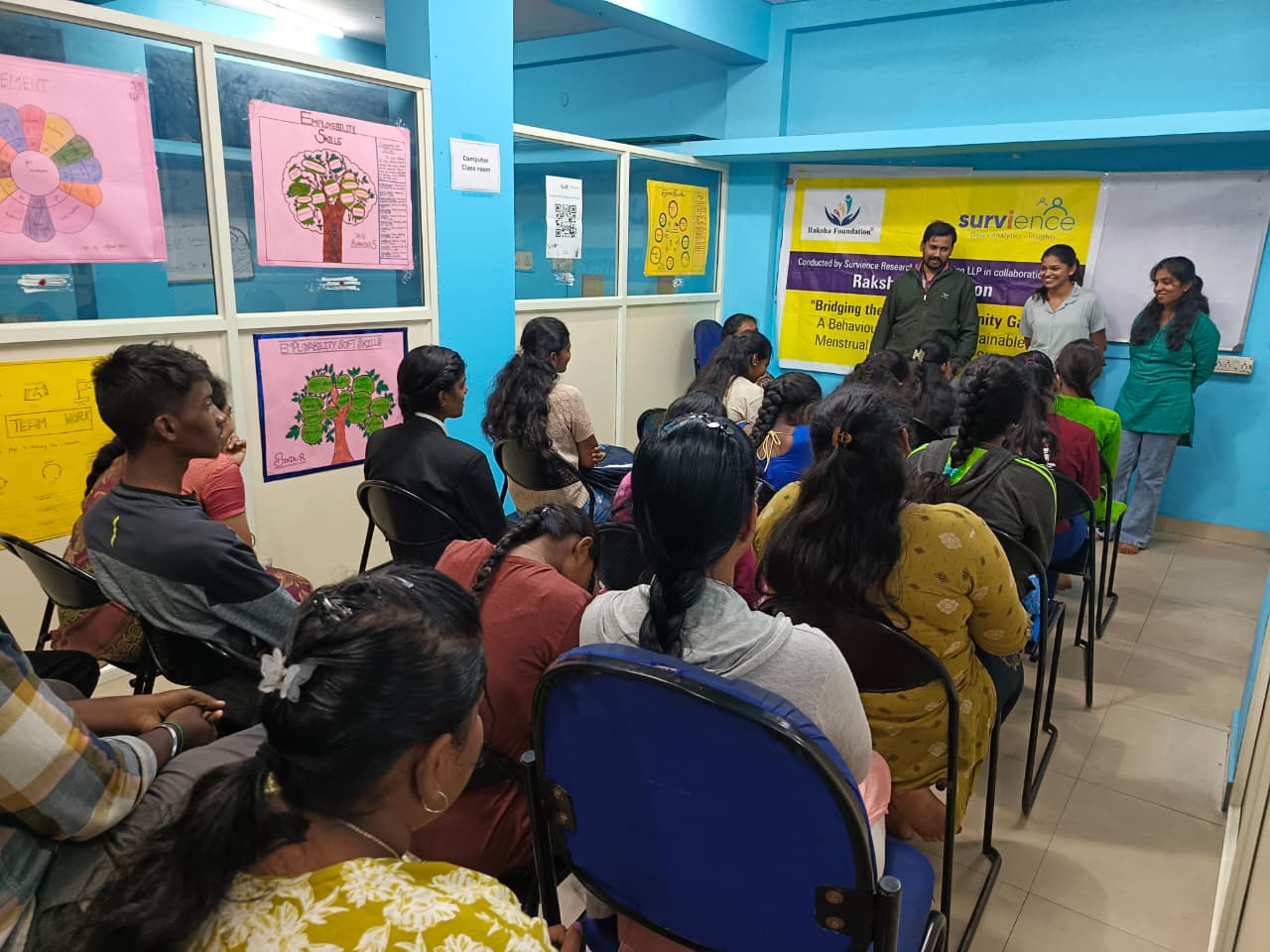
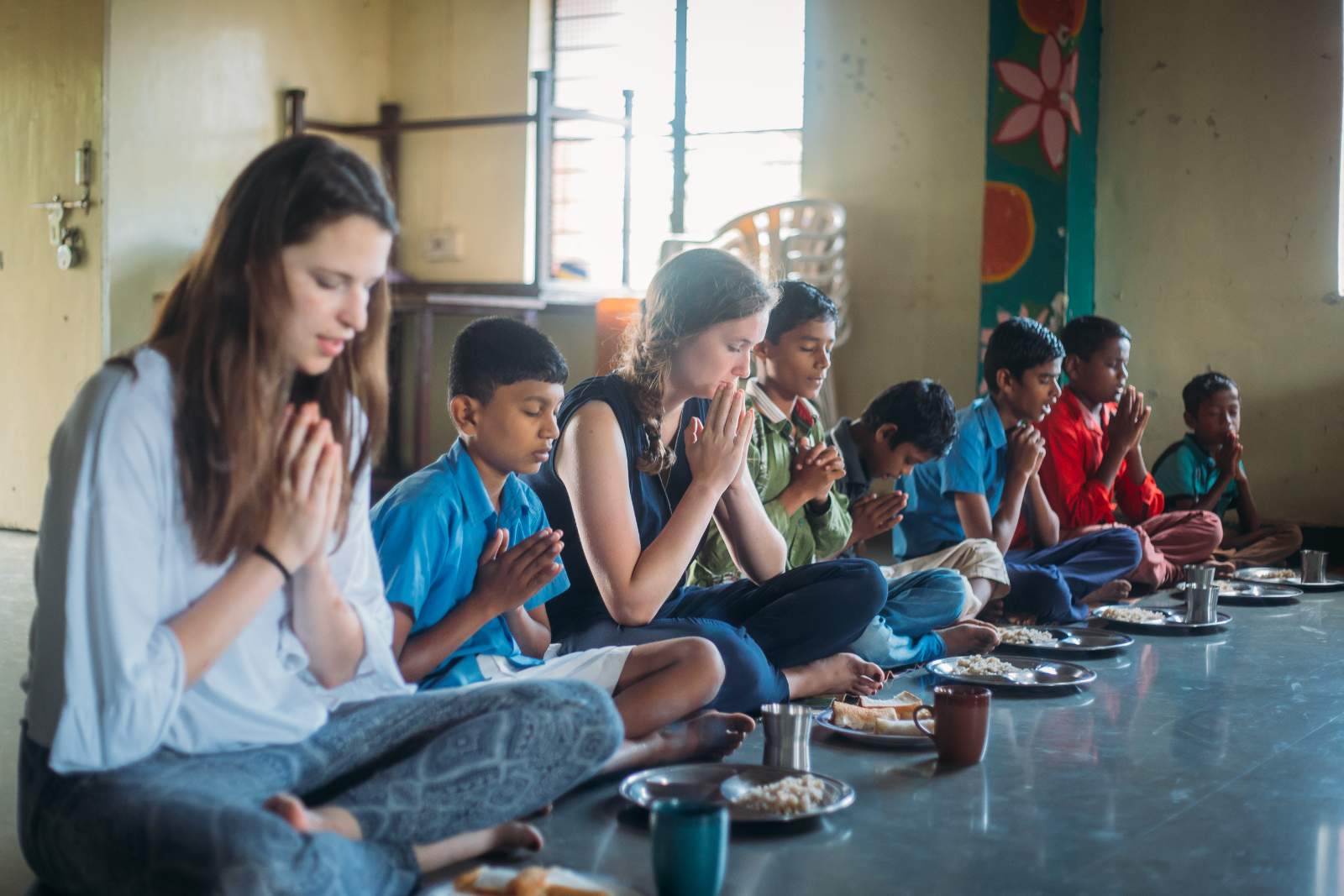
Volunteers work directly with our field team and community members, supporting activities based on local needs and seasonal priorities. Through hands-on participation, volunteers can gain meaningful experience while contributing to sustainable development in rural Rajasthan.
Program at a glance
Why choose us?
No middlemen or placement fees: Volunteers work directly with SGJSS, with no agency involved.
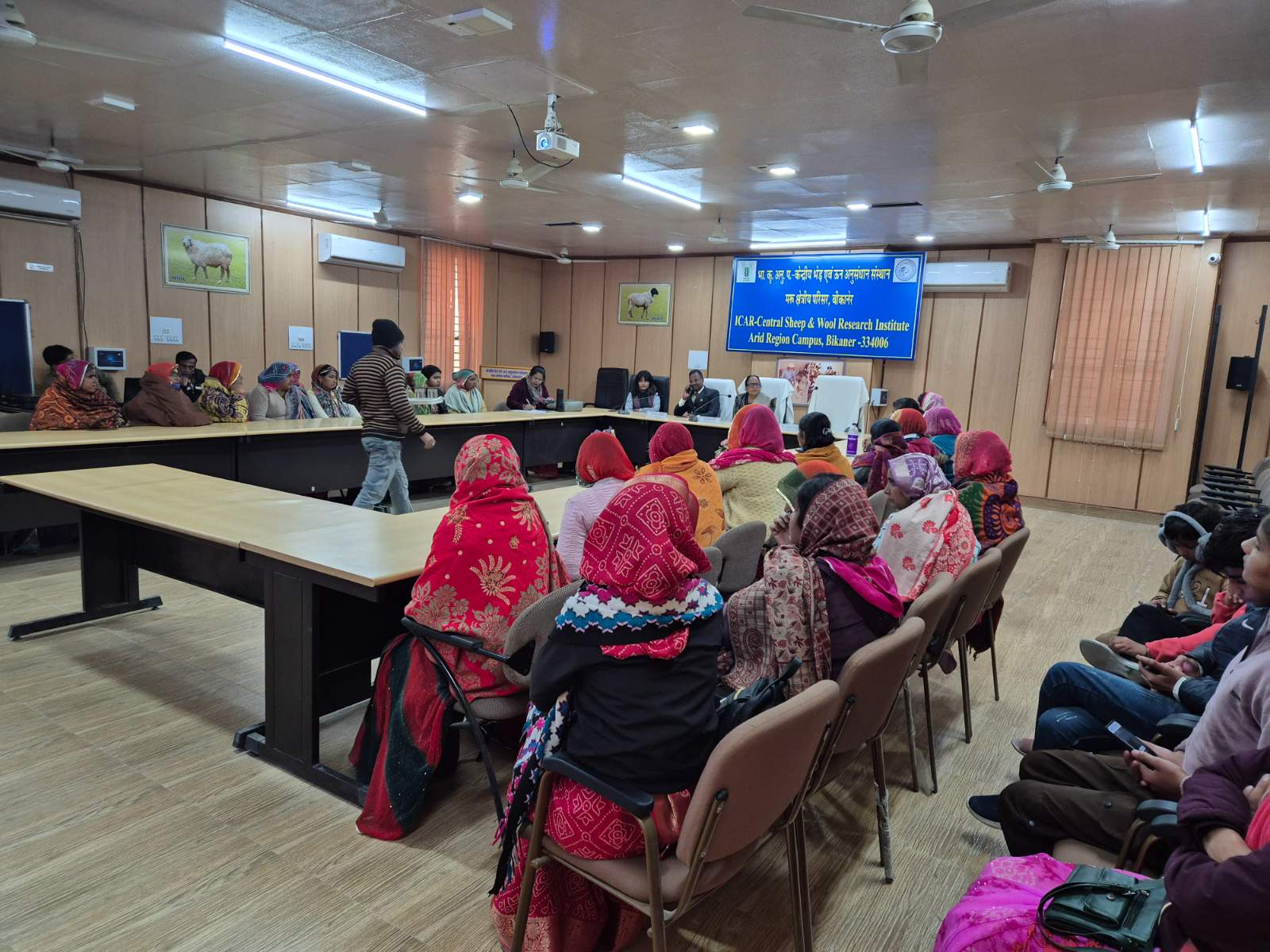
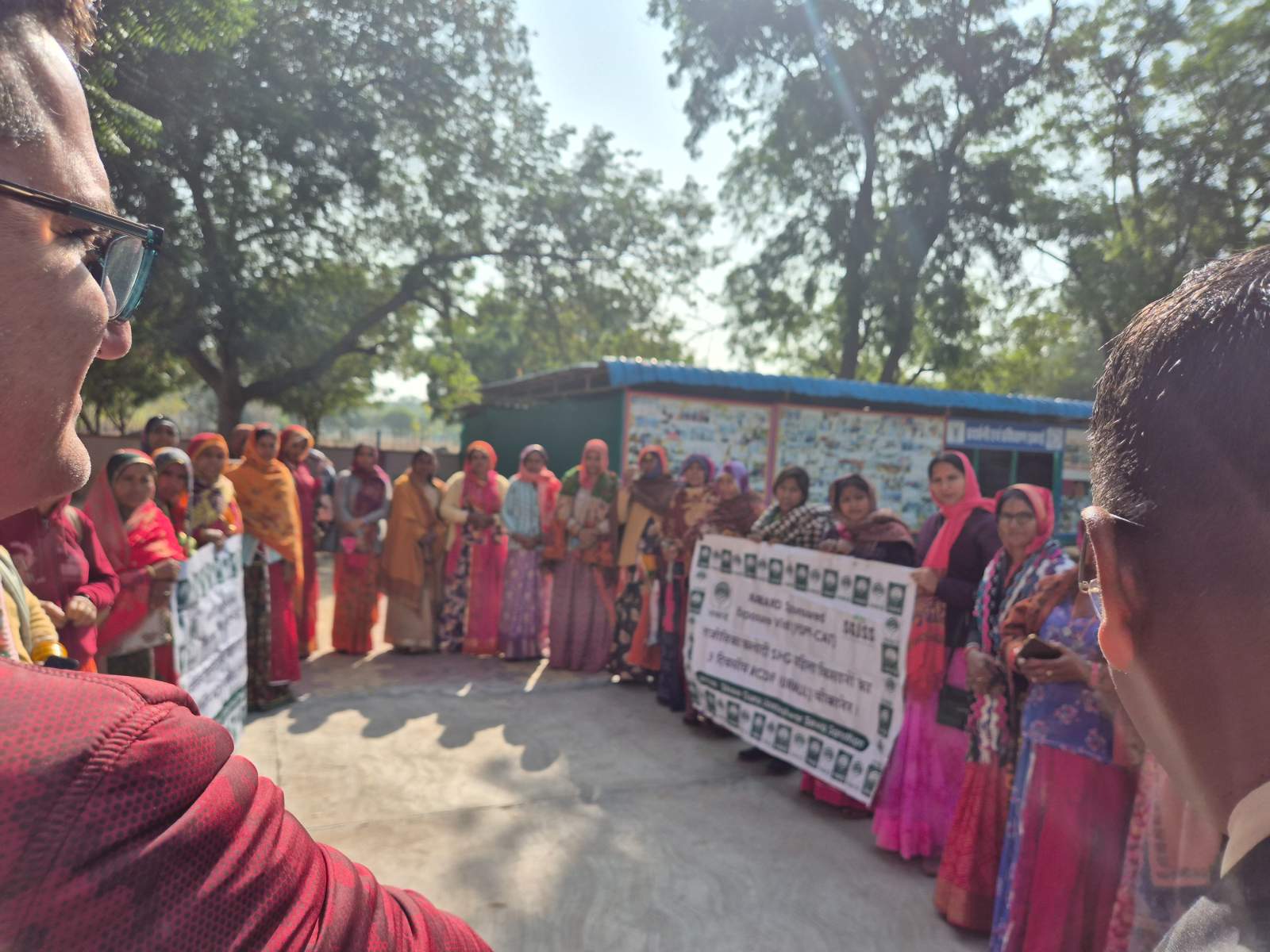
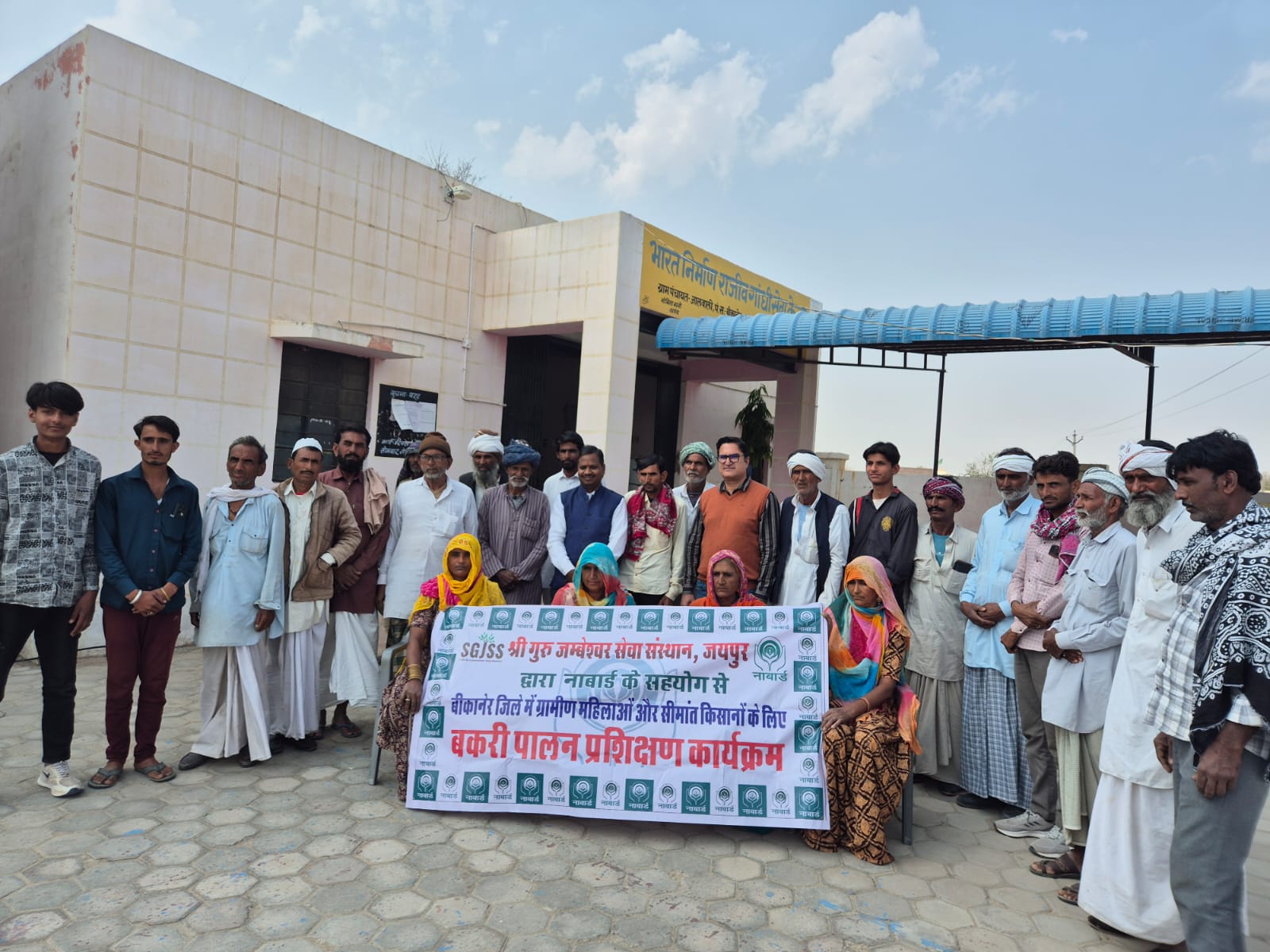
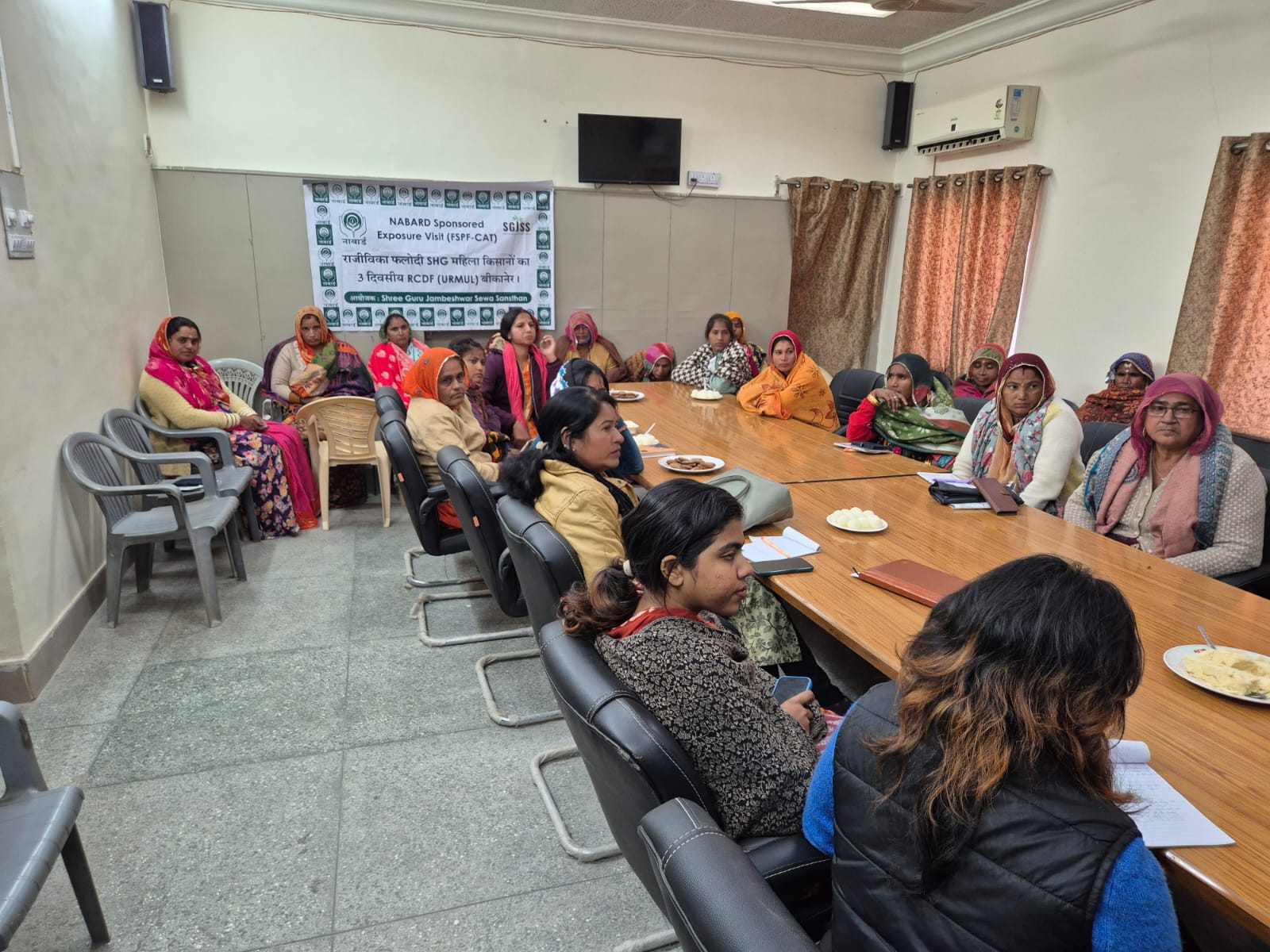
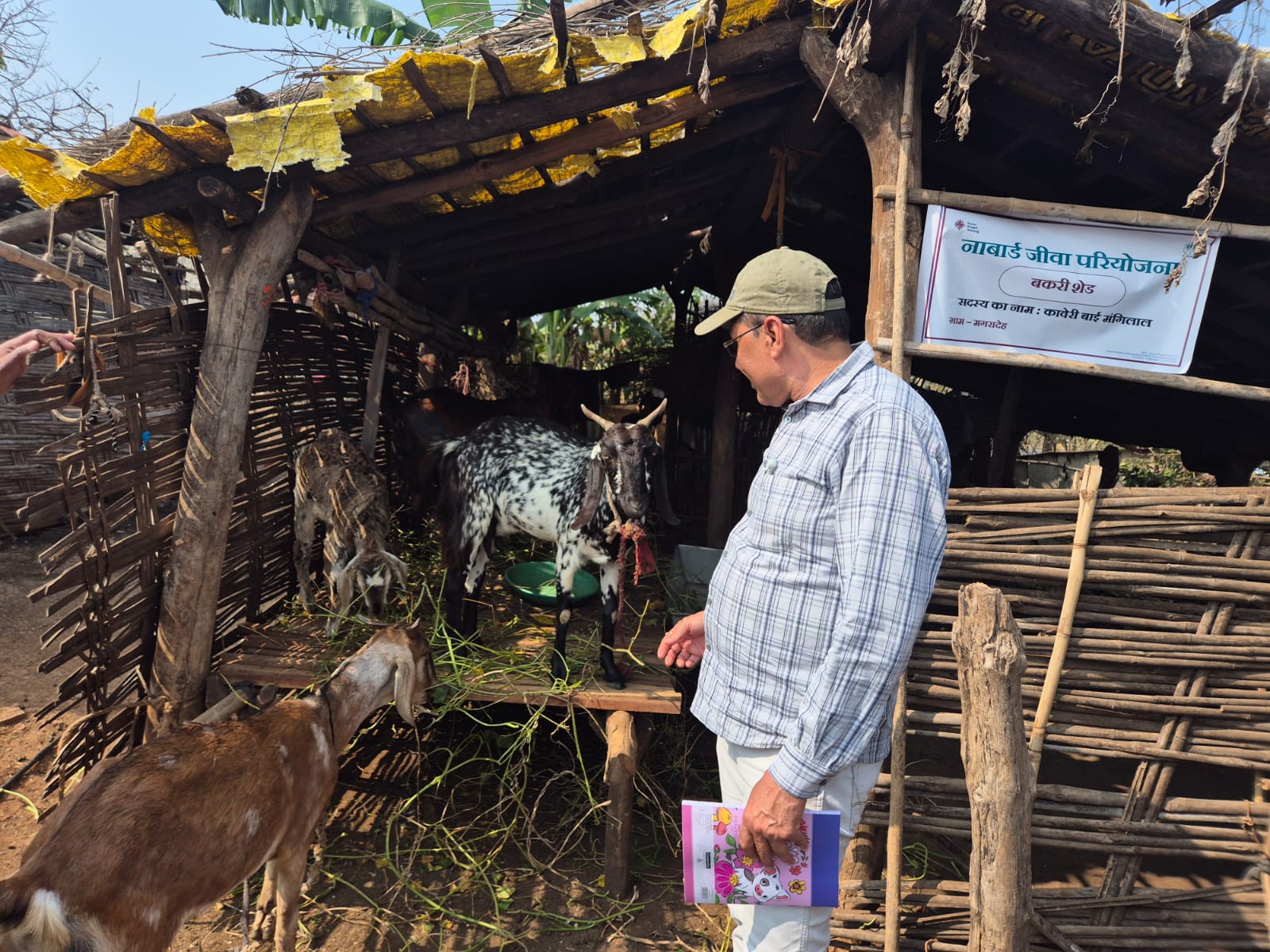
- Real fieldwork: Volunteers take on genuine responsibilities such as leading digital literacy sessions, supporting self-help groups, assisting at health camps, and working on agroforestry projects.
- Trusted community relationships: With 18 years of work in the same villages, our strong relationships allow volunteers to experience authentic community life and build meaningful connections.
- Learn from the Bishnoi tradition: Discover a centuries-old tradition of environmental protection while spending time with local farmers and visiting sacred groves.
- Strong support: Volunteers receive orientation, a dedicated field coordinator, Hindi and Marwari translation support, and a certificate and reference letter upon completion.
Requirements
- Age: 18 years or older
- Visa: Valid passport and appropriate Indian visa for volunteering. Volunteers should confirm requirements with their nearest Indian mission before booking
- Language: Conversational English required. Hindi is welcome but not essential; translation support is provided
- Documents: Short CV, two references, and a police/background check from your home country
- Insurance: Personal travel and medical insurance covering the entire stay
- Living Conditions: Willingness to live and work in rural conditions, including hot weather, simple facilities, power cuts, and long journeys
- Cultural Respect: Respect local customs. Project villages are vegetarian; alcohol, tobacco, and meat are not permitted at project sites or host villages
- Dress Code: Modest clothing with shoulders and knees covered
- Commitment: Minimum two-week placement
- Flexibility: Patience and adaptability, as schedules may change according to weather, harvests, and village activities
Volunteer experience
- 7:00 AM: Breakfast in town and briefing with the field coordinator
- 8:00 AM: Travel to the village site by shared jeep or bus
- 9:00 AM: First field session, which may include self-help group meetings, kitchen-garden or livestock training, digital literacy classes, health camps, or agroforestry work
- 1:00 PM: Lunch and rest during the hottest part of the afternoon
- 2:30 PM: Second session, including household visits, follow-ups, data recording, or preparation for the next day
- 5:00 PM: Return to town
- Evening: Free time, with optional opportunities to help with documentation, photography, reports, or social media
Fieldwork runs Monday to Saturday, with Sundays free. Schedules may change around village festivals, weddings, harvests, and other community events.
No programme fee. SGJSS does not charge volunteers for placement, orientation, supervision, or field transport, and we do not work with paid agents.
Volunteers are responsible for arranging and paying for their own travel, accommodation, food, visa, and insurance. We can help volunteers find safe, affordable accommodation near the field site and provide an honest estimate of local living costs.
Donations are welcome but completely optional and have no impact on volunteer acceptance.
Volunteers arrange and pay for their own accommodation, while SGJSS helps you find a safe and suitable place to stay.
Our field areas are accessible from Bikaner, Bharatpur, and Jaipur, where budget guesthouses, hotels, and homestays are available. Once your placement is confirmed, we provide a shortlist of trusted, reasonably priced options suitable for solo travellers.
Volunteers who prefer to stay in a village can also arrange accommodation directly with a local host family. SGJSS takes no commission from these arrangements.
Please book accommodation only after your placement dates have been confirmed in writing.
Meals are not included in the programme. Drinking water and tea are provided at the field site on working days, and volunteers may sometimes be invited to lunch by community members as part of local Rajasthani hospitality.
Volunteers arrange their own meals at their own cost. Affordable vegetarian restaurants, dhabas, and self-catering options are available in Bikaner, Bharatpur, and Jaipur.
Our field villages are vegetarian, and meat, eggs, alcohol, and tobacco are not permitted. Volunteers with vegan, gluten-free, or other dietary requirements should inform us in advance, as options may be limited in rural areas.
Volunteers can explore Rajasthan and enjoy a variety of cultural, historical, and nature-based experiences:
- Bharatpur: Visit Keoladeo National Park, Deeg Palace, and take trips to Agra, Fatehpur Sikri, and the Taj Mahal.
- Bikaner: Explore Junagarh Fort, Karni Mata Temple, historic havelis, the National Research Centre on Camel, and nearby desert dunes.
- Jaipur: Discover Amber Fort, Hawa Mahal, Jantar Mantar, City Palace, and local bazaars.
- In the villages: Experience Bishnoi sacred groves, wildlife areas, village fairs and festivals, cooking with host families, informal Hindi lessons, and local cricket games.
Sundays are generally free, and volunteers can also extend their stay to travel independently. SGJSS can provide guidance on routes and safe travel options.
Photos (17 total)






Showing 5 of 17 photos