

Eco-Logic Thailand was established to support the projects of the Thai Child Development Foundation (TCDF). Both organizations are located on the same premises. The premises include an organic garden, a food forest, chickens and ducks, and a mushroom farm. Students from TCDF's Special School receive part of their education through activities on the farm. We are located in the heart of nature, offering plenty of opportunities to explore the surrounding area together with our guests and visitors. Discover the real Thailand!
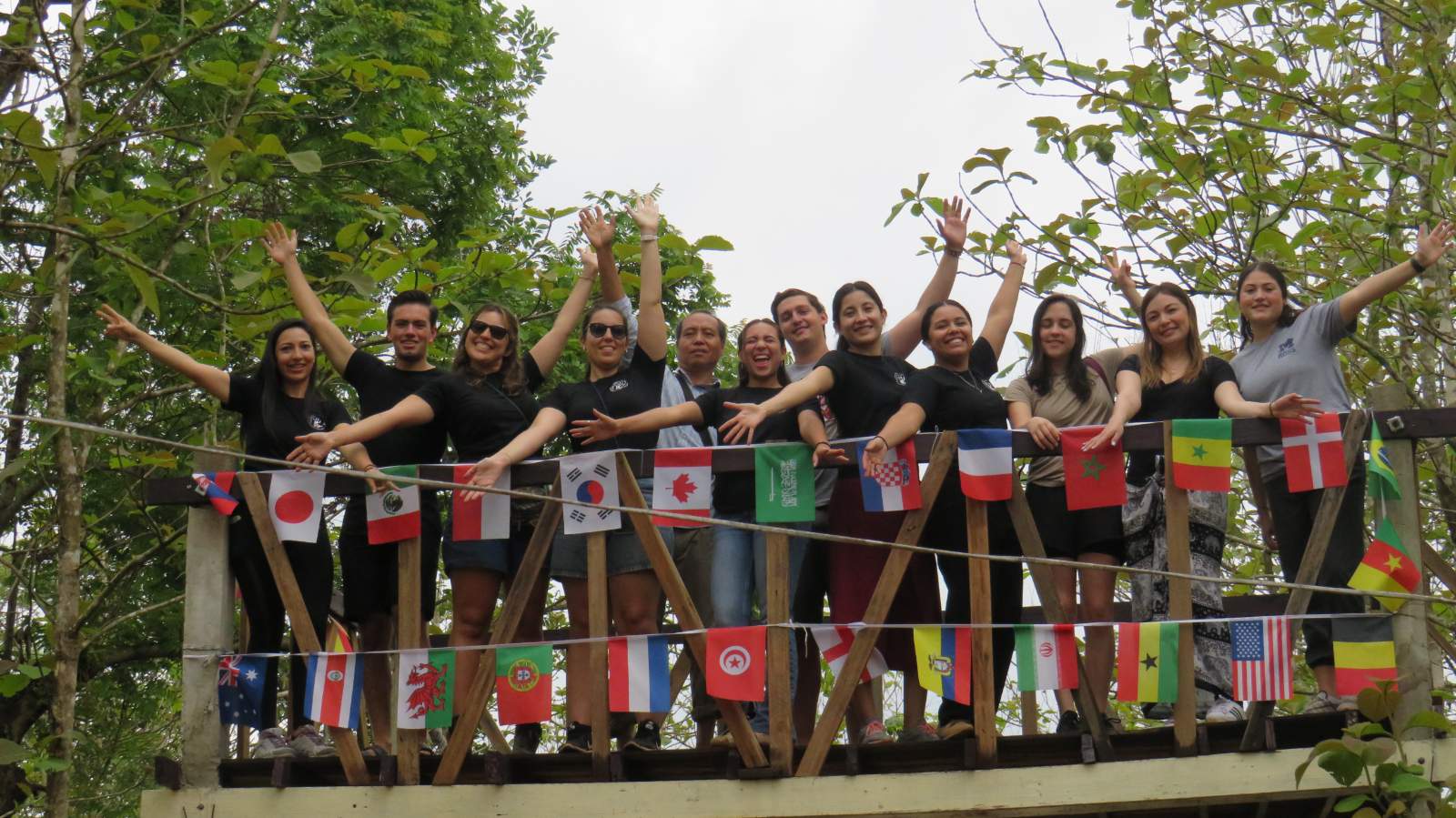
LDC is a small local NGO, founded in 1994, and has been serving civil society as a non-profit organization since then. In the past 30 years, LDC has been promoting and supporting many different alternative development projects among ethnic minority communities—HIV/AIDS prevention and care projects, illicit drug prevention and care projects, community development and empowerment projects, environment conservation projects, and poverty alleviation projects with very tight support. LDC is registered with the Social Development and Human Security Ministry as a public interest organization. Currently, we are focusing on establishing a community service and sustainable development study center in Chiang Dao District, Chiang Mai Province. LDC has been hosting international volunteers from around the world since 2000, and most of the projects are completed with the help of volunteers. Volunteers have been LDC's main support since 2000. LDC works at the grassroots level with different local people in different projects.
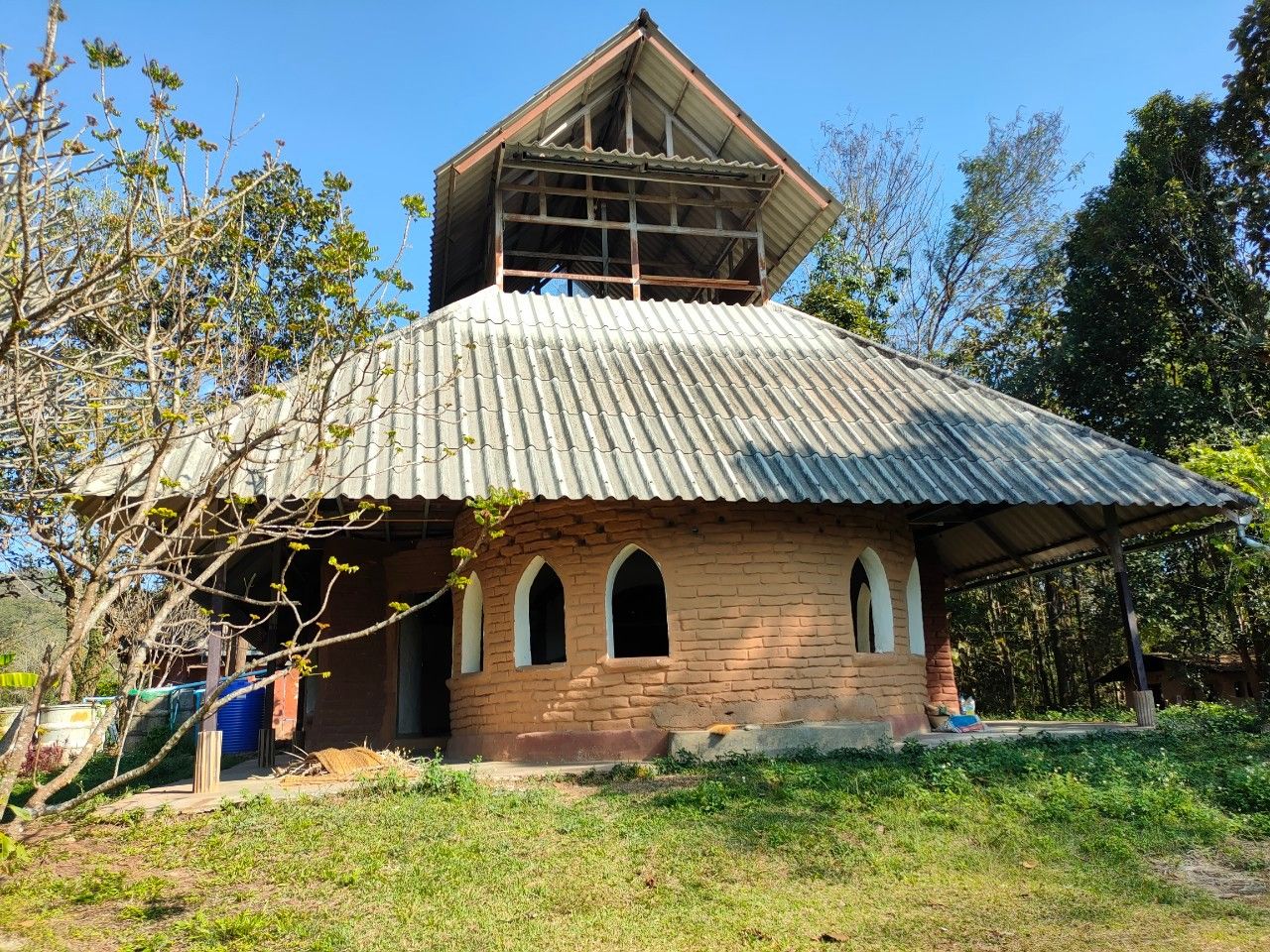
Pun Pun is an organic farm and learning centre that began working with the land around 2004. Through organic farming and sustainable practices, we have transformed land that was once used for corn plantations into a thriving, biodiverse organic farm. Today, Pun Pun is home to a community of around 15–20 people who live, farm, and build together while raising their families. It is a place for learning, community living, sustainable agriculture, and connection with nature.
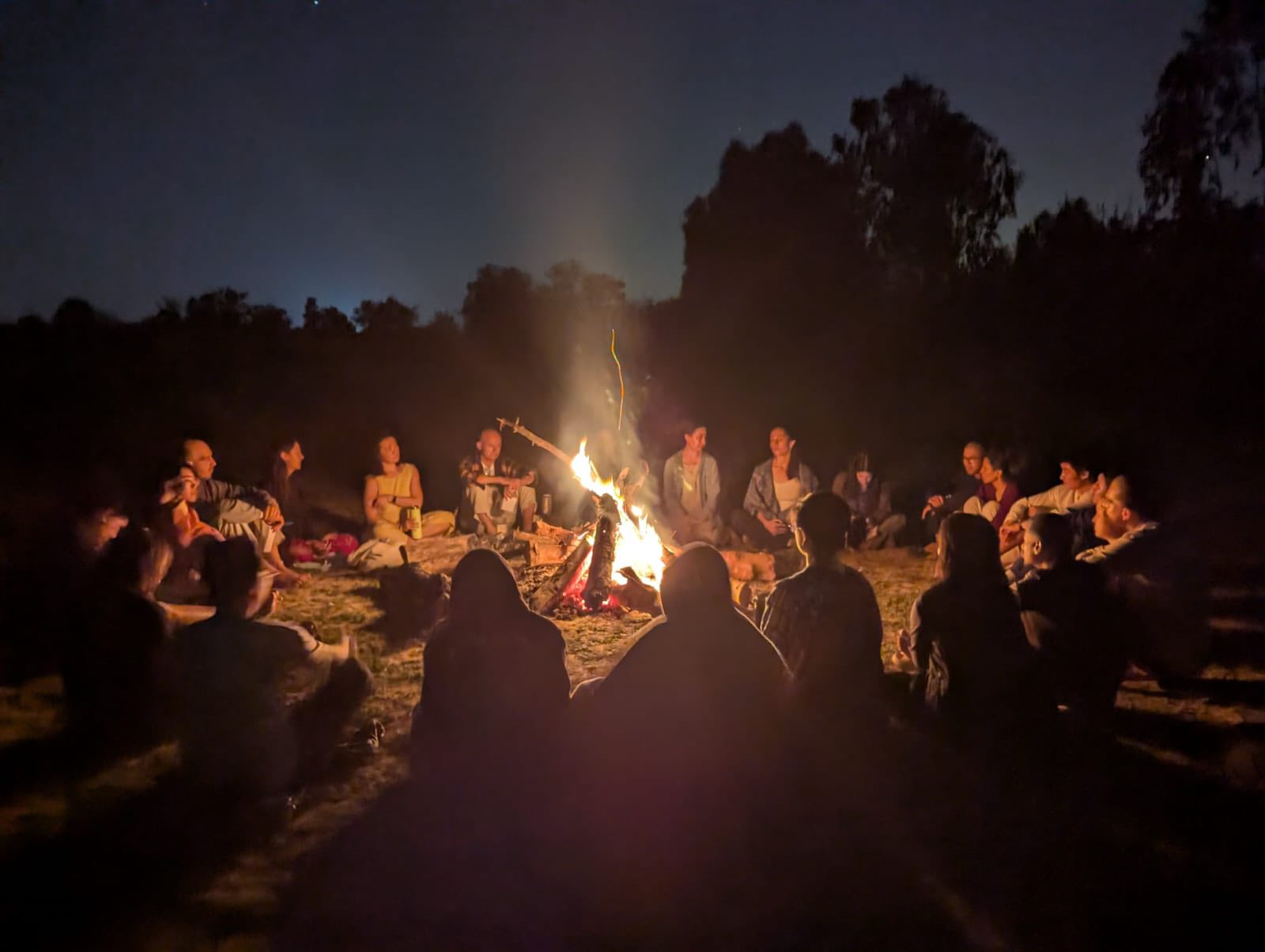
Gaia Ashram is a tropical permaculture farm and learning centre in North-Eastern Thailand, set on 6 hectares of land developed using deep ecology, permaculture, and ecovillage design principles. We believe all living beings are part of one interconnected family and that every being has a role in sustaining the web of life. Gaia Ashram aims to be a place where people can live more holistically, learn from nature, and experience the interconnectedness of all life while practicing sustainable ways of living.
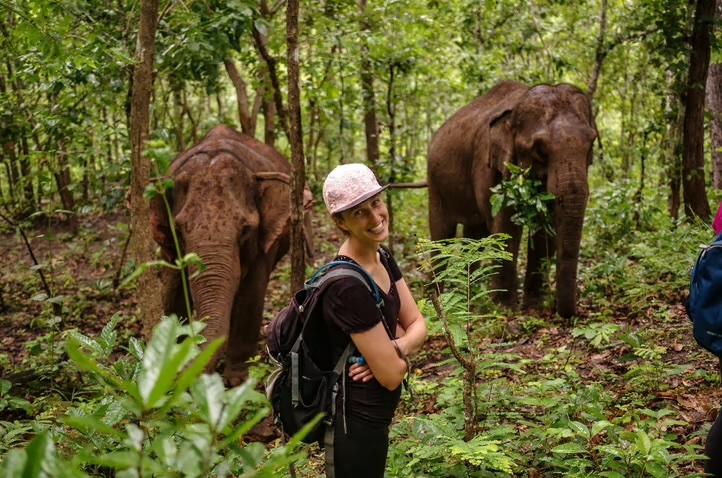
Kindred Spirit Elephant Sanctuary (KSES) is a non-profit foundation working alongside Karen communities in Northern Thailand to support elephant welfare, sustainable livelihoods and the protection of the forests they depend on. Our elephants live in the forest, where they are able to move, forage, socialise and rest according to their own rhythms. Our approach prioritises autonomy, space and natural behaviour. Visitors do not touch, feed, bathe or ride the elephants. Instead, they hike through the forest and observe them from a respectful distance, learning to appreciate elephants as individuals with their own needs, relationships and behaviours. Alongside our elephant welfare work, we contribute to behavioural research, community initiatives, environmental projects and education. We work closely with the local Karen community, recognising and valuing the knowledge, experience and long-standing relationships that exist within the community. Our work is based on collaboration, with initiatives developed alongside the people who live and work here. KSES is a small organisation, and collaboration is at the heart of what we do. Our visitors, interns, mahouts, community members, researchers and partner organisations all contribute to the work we share: supporting elephant welfare, community life and the forest environment in ways that are respectful of the people and place at the heart of KSES.
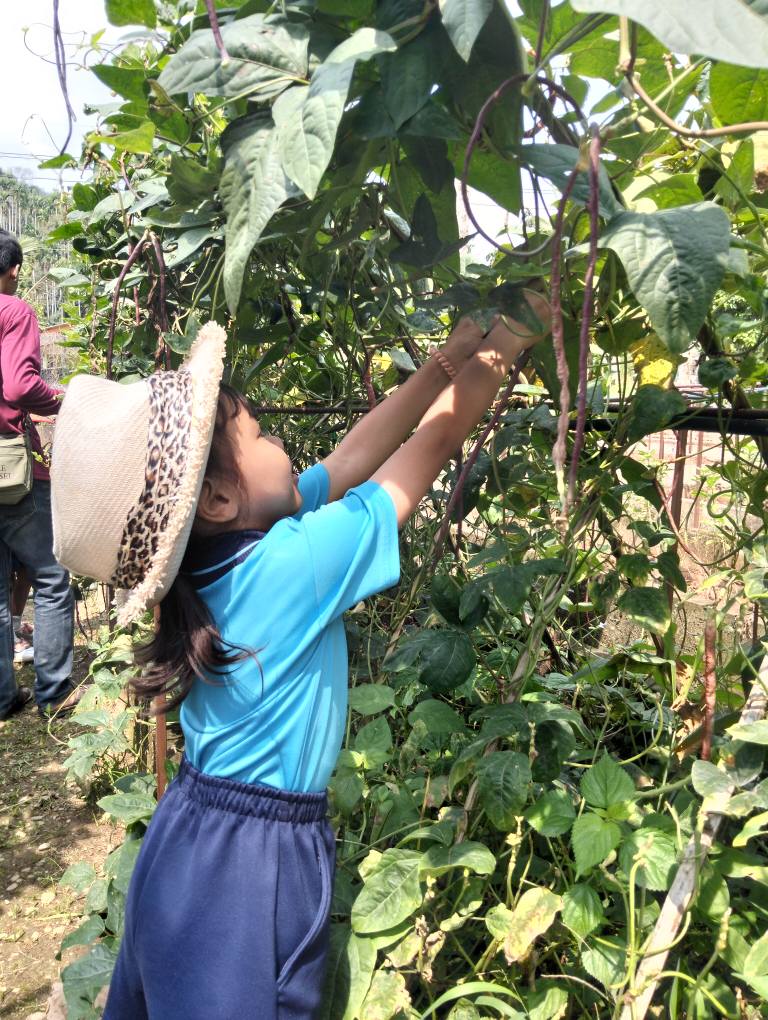
Eco-Logic Thailand was established to support the projects of the Thai Child Development Foundation (TCDF). Both organizations are located on the same premises. The premises include an organic garden, a food forest, chickens and ducks, and a mushroom farm. Students at TCDF's Special School receive part of their education through activities on the farm. We are located in the heart of nature, offering plenty of opportunities for our guests and visitors to explore the surrounding area. Discover the real Thailand!