

Kingdom Mission International (KMI) Foundation Thailand is a registered charitable organisation based in Mae Sai, Chiang Rai Province, in the Golden Triangle region of northern Thailand. We are committed to empowering vulnerable communities through education, practical skills development, leadership training, and sustainable community development. Our work serves local Thai communities, hill tribe people, and people from Myanmar and Laos, including displaced and vulnerable families who face barriers to education and employment opportunities. At KMI, we believe education, meaningful relationships, and community involvement can create lasting change. We work with local schools, students, families, and communities to provide educational support, develop practical skills, and create opportunities for a brighter future. We welcome international volunteers who are passionate about serving others and sharing their knowledge and experience. Volunteers can contribute by assisting with English classes in local schools, supporting educational activities, helping in villages, participating in community outreach, and using their skills to support local initiatives. Volunteering with KMI is an opportunity to experience Thai culture, build cross-cultural friendships, learn from local communities, and make a meaningful contribution to the lives of others. We provide volunteer accommodation at our mission headquarters in Mae Sai. Volunteers are responsible for their own travel and food expenses. Visa-related supporting documents are provided following selection, subject to applicable requirements. Whether you are a teacher, student, professional, or someone who simply wants to make a difference, we invite you to join us in serving communities and creating opportunities through education and practical support.

We are a marine conservation organisation with over a decade of hands-on experience protecting the reefs of Koh Tao. Our focus is to protect coral reefs through restoration, research, education, and community action. We train both divers and non-divers to take part in real conservation work, including coral restoration, reef monitoring, citizen science, internships, and environmental initiatives. We collaborate with local dive centres to promote a united, science-based approach to reef protection. As climate change and human impact continue to threaten marine ecosystems, our mission is to provide practical skills and real field experience that participants can apply beyond the program. Our projects focus on both natural and artificial reefs, collecting long-term data and actively supporting reef health improvement. Whether a beginner or experienced, everyone can get involved in meaningful marine conservation.
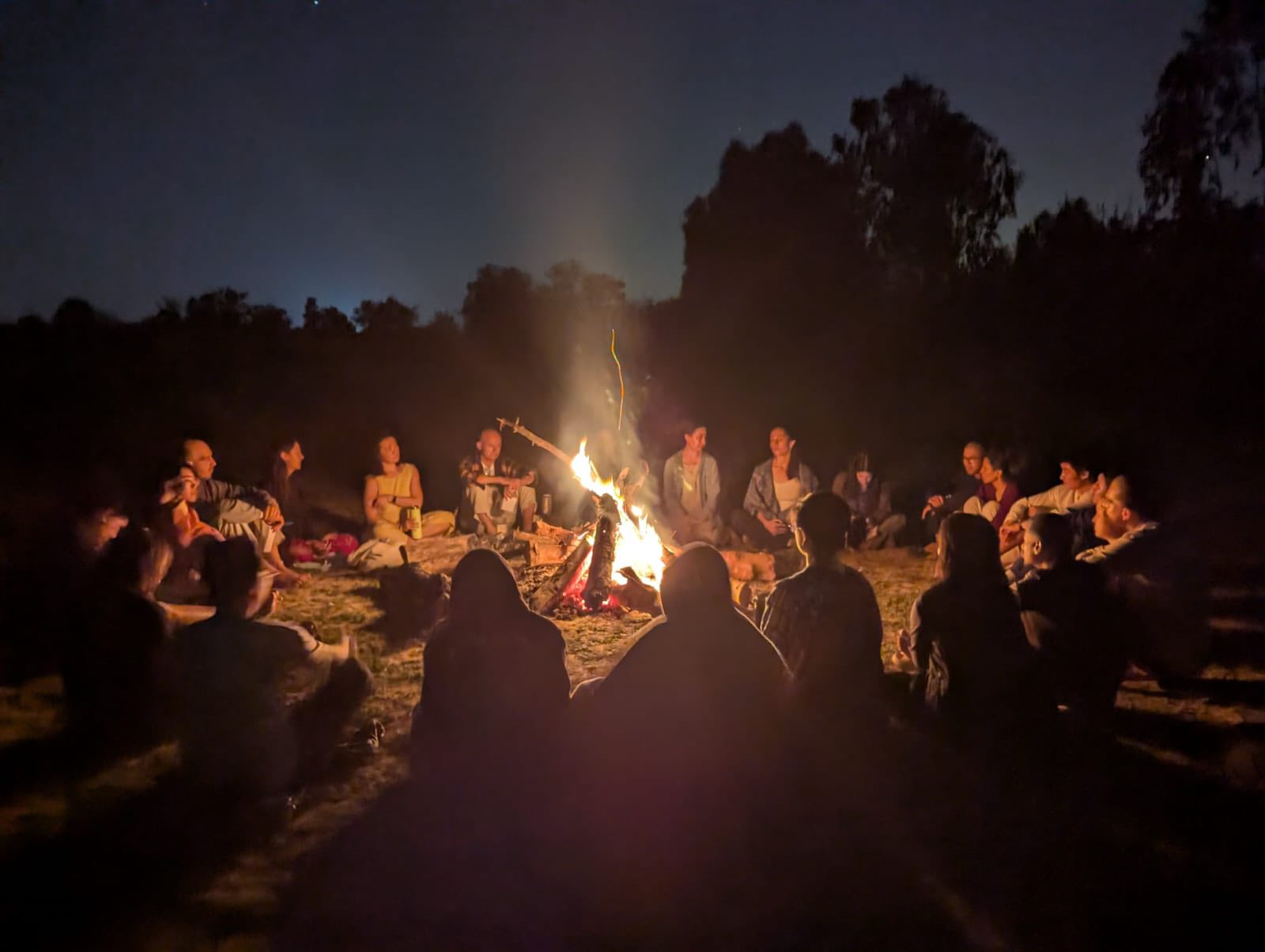
Gaia Ashram is a tropical permaculture farm and learning centre in North-Eastern Thailand, set on 6 hectares of land developed using deep ecology, permaculture, and ecovillage design principles. We believe all living beings are part of one interconnected family and that every being has a role in sustaining the web of life. Gaia Ashram aims to be a place where people can live more holistically, learn from nature, and experience the interconnectedness of all life while practicing sustainable ways of living.

*Volunt2Thai* is a nonprofit community-based organization located in rural Northeast Thailand. Since 2013, we have connected international volunteers with local communities to create meaningful cultural exchange while supporting children's education and community development. Our mission is to help children develop confidence, English communication skills, creativity, teamwork, and global awareness through fun and engaging activities. Volunteers work alongside local teachers in village schools, leading English lessons, sports, music, arts, games, computer activities, and other educational projects that inspire children to learn. Unlike traditional volunteer programs, Volunt2Thai is deeply integrated into village life. Volunteers become part of the local community, experience authentic Thai culture, and build lasting friendships with children, families, and teachers. We believe that genuine cultural exchange creates positive and sustainable change for everyone involved. Our campus serves as a learning and cultural centre where volunteers receive orientation, participate in Thai language and cultural activities, and contribute to community initiatives including environmental projects, health and wellbeing activities, and educational workshops. With more than 30 years of experience in Thailand and over a decade of operating Volunt2Thai, we have developed a unique community-based model that combines education, intercultural learning, and sustainable development. Since our foundation, we have welcomed hundreds of volunteers from around the world and supported thousands of children through partnerships with village schools. At Volunt2Thai, volunteering is not about charity—it is about learning together, sharing knowledge, building friendships, and creating opportunities that benefit both local communities and international volunteers.

We are a marine conservation organisation with over a decade of hands-on experience protecting the reefs of Koh Tao. Our focus is to protect coral reefs through restoration, research, education, and community action. We train both divers and non-divers to take part in real conservation work, including coral restoration, reef monitoring, citizen science, internships, and environmental initiatives. We collaborate with local dive centres to promote a united, science-based approach to reef protection. As climate change and human impact continue to threaten marine ecosystems, our mission is to provide practical skills and real field experience that participants can apply beyond the program. Our projects focus on both natural and artificial reefs, collecting long-term data and actively supporting reef health improvement. Whether beginner or experienced, everyone can get involved in meaningful marine conservation.
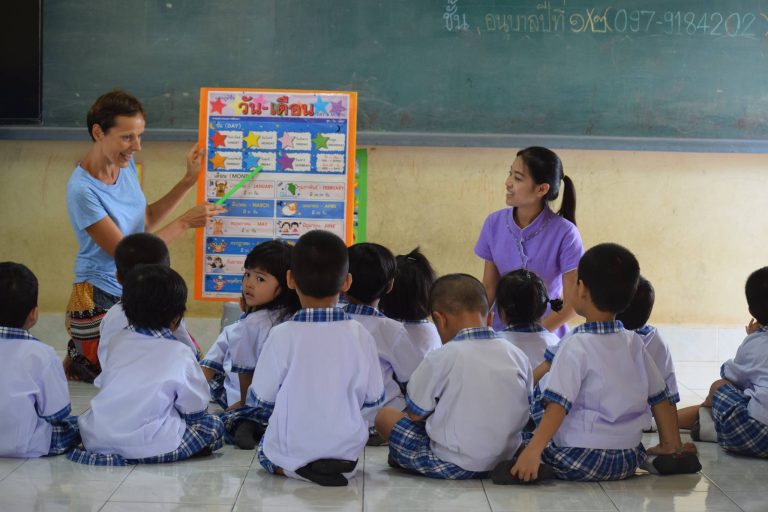
We are a public school teaching kindergarten, primary, and secondary pupils. We are based in Uttaradit, Thailand. We welcome volunteers and interns who would like to help us teach basic spoken English or Chinese (Mandarin) to our students.