

We are a marine conservation organisation with over a decade of hands-on experience protecting the reefs of Koh Tao. Our focus is to protect coral reefs through restoration, research, education, and community action. We train both divers and non-divers to take part in real conservation work, including coral restoration, reef monitoring, citizen science, internships, and environmental initiatives. We collaborate with local dive centres to promote a united, science-based approach to reef protection. As climate change and human impact continue to threaten marine ecosystems, our mission is to provide practical skills and real field experience that participants can apply beyond the program. Our projects focus on both natural and artificial reefs, collecting long-term data and actively supporting reef health improvement. Whether a beginner or experienced, everyone can get involved in meaningful marine conservation.
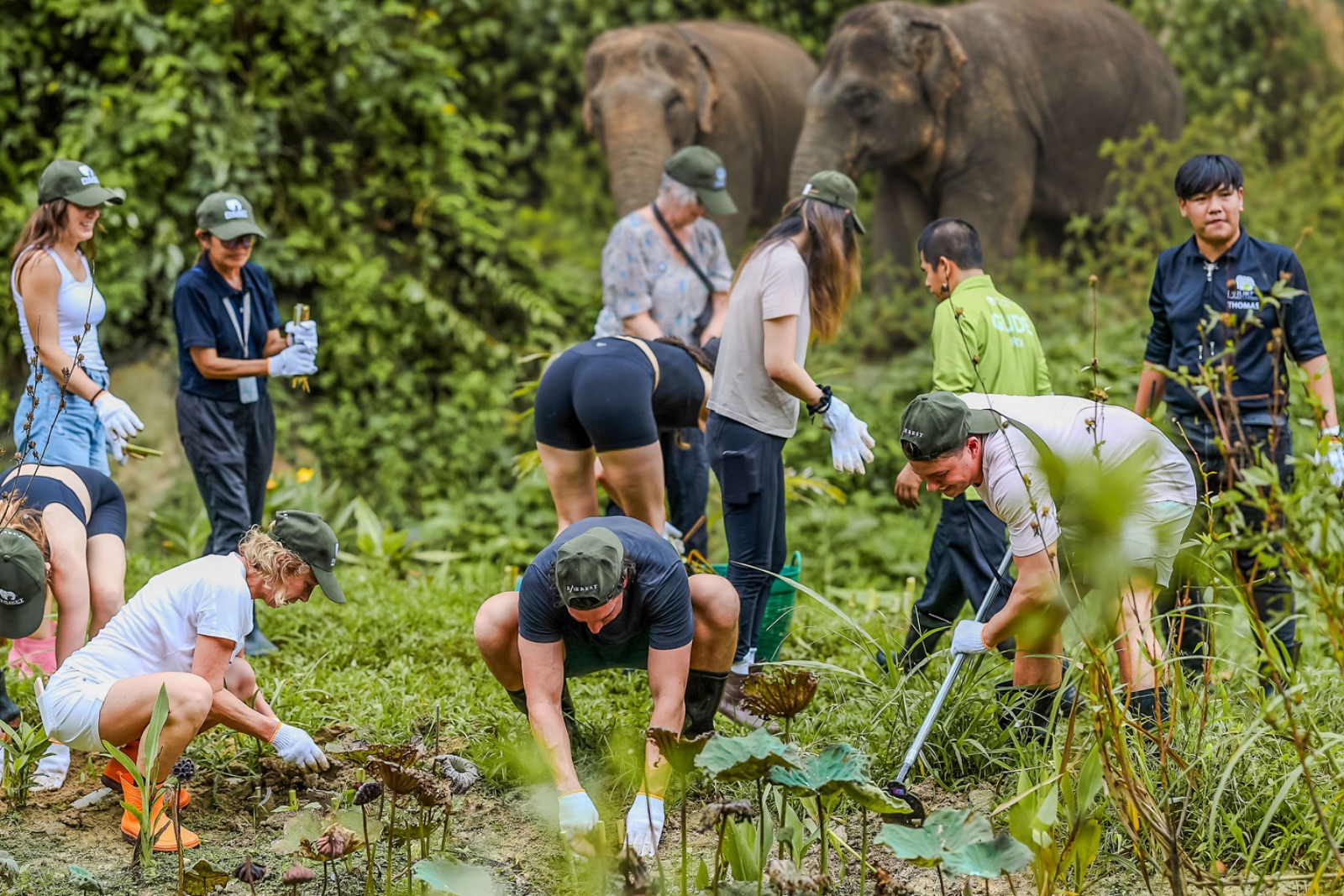
Phuket Elephant Sanctuary was founded in 2016 by Montri Todtane, a local from Paklok in Northeast Phuket. After more than a decade working with elephants in traditional tourism, Montri witnessed firsthand the physical and emotional impact that riding, performances, and demanding working conditions could have on elephants. Inspired by elephant conservationist Lek Chailert, he decided there had to be a better way. He closed his former elephant camp and opened Phuket’s first ethical elephant sanctuary: a place where rescued elephants can finally retire and simply be elephants. Today, our sanctuary covers 30 acres of tropical jungle bordering Khao Phra Thaeo National Park. Since opening, we have provided a home to more than 20 elephants rescued from tourism, riding camps, shows, and the logging industry. Here, elephants are given the space and freedom to roam, forage, socialize, and bathe on their own terms. Our mission is simple: to let elephants be elephants. Since April 2026, Phuket Elephant Sanctuary has become completely hands-off. There is no touching, bathing, or feeding with visitors. Instead, we believe meaningful experiences come from respectfully observing elephants behaving naturally and learning about their individual stories, welfare, and conservation. Over the years, we have continued to grow, opening Thailand’s longest canopy walkway in 2020 and Phuket’s first dedicated elephant hospital in 2025, supporting elephants in need across Southern Thailand. Volunteers become part of this ongoing story. Rather than interacting directly with elephants, you work behind the scenes alongside our team, helping with practical tasks such as preparing supplementary food, harvesting elephant food, maintaining the sanctuary, cleaning night shelters, composting elephant dung, and supporting other projects depending on what is needed at the time. By volunteering with us, you support rescued elephants and help promote a more ethical and respectful future for elephants.

Lanta Animal Welfare was founded by Junie Kovacs in 2005. Her mission was to end the suffering of the hundreds of homeless, abused, and injured animals on Koh Lanta. To date, we have sterilized and treated over 85,000 animals, and with your support, we continue to grow, helping more and more animals each year. At Lanta Animal Welfare, we provide critical, life-saving treatment to injured and sick stray animals across Koh Lanta. Our veterinary team delivers urgent medical care, including emergency first aid, vaccinations, wound treatment, and preventative healthcare for animals in distress. LAW’s main focus is the treatment of stray animals and sterilizations. Animals are brought to us for many different conditions, from skin problems to road traffic accidents and poisonings. Stray animals will sometimes stay with us for several weeks to ensure they are fit and well before they are released back where they came from. Unfortunately, some of the animals that find themselves needing our help are unable to return to where they came from. This may be because they were too young upon their arrival, they are at risk of abuse, or simply because they have undergone treatment for such a long period that we can no longer return them. These animals will remain at the centre and will join our rehoming programme, with over 150 animals each year finding loving homes both here in Thailand and across the world.

We are a marine conservation organisation with over a decade of hands-on experience protecting the reefs of Koh Tao. Our focus is to protect coral reefs through restoration, research, education, and community action. We train both divers and non-divers to take part in real conservation work, including coral restoration, reef monitoring, citizen science, internships, and environmental initiatives. We collaborate with local dive centres to promote a united, science-based approach to reef protection. As climate change and human impact continue to threaten marine ecosystems, our mission is to provide practical skills and real field experience that participants can apply beyond the program. Our projects focus on both natural and artificial reefs, collecting long-term data and actively supporting reef health improvement. Whether beginner or experienced, everyone can get involved in meaningful marine conservation.