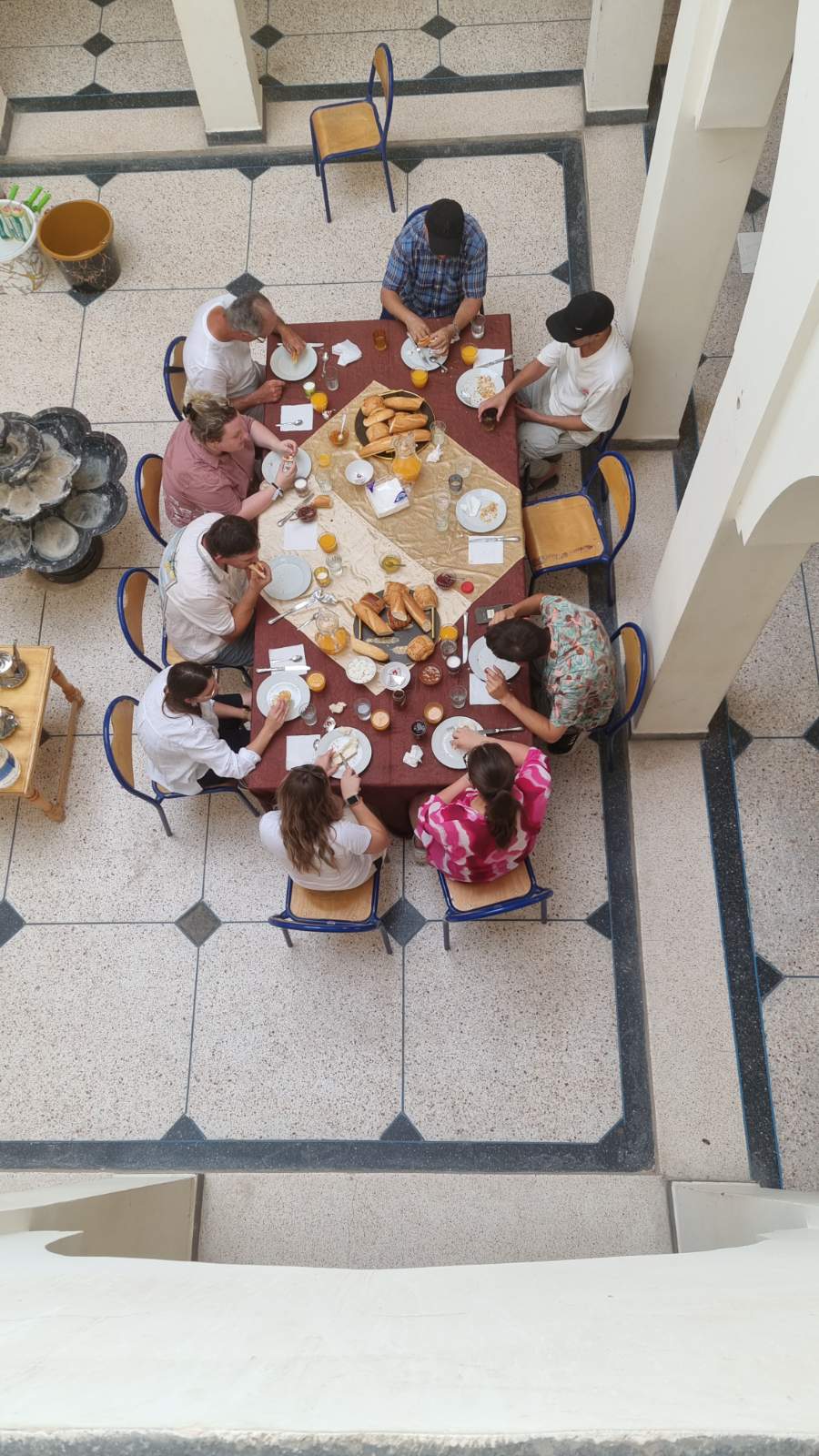
Association Companions for International Volunteering (ACVI Morocco) is a non-profit organization based in Ouarzazate, Morocco, promoting volunteering, intercultural exchange, solidarity, education, environmental awareness, and community development. We organize local and international projects including workcamps, educational activities for children, language teaching, cultural exchange, tree planting, environmental awareness, and the renovation and painting of schools and community facilities. Working closely with children and local communities, volunteers can participate in workshops covering languages, science, arts, environmental education, games, and creative activities, as well as initiatives that promote sustainable development and the protection of natural resources. Through these projects, international volunteers can make a meaningful contribution while discovering Moroccan culture, sharing experiences, and building friendships with people from different backgrounds. Our goal is to use volunteering as a tool for positive social impact, mutual understanding, active citizenship, and international cooperation.
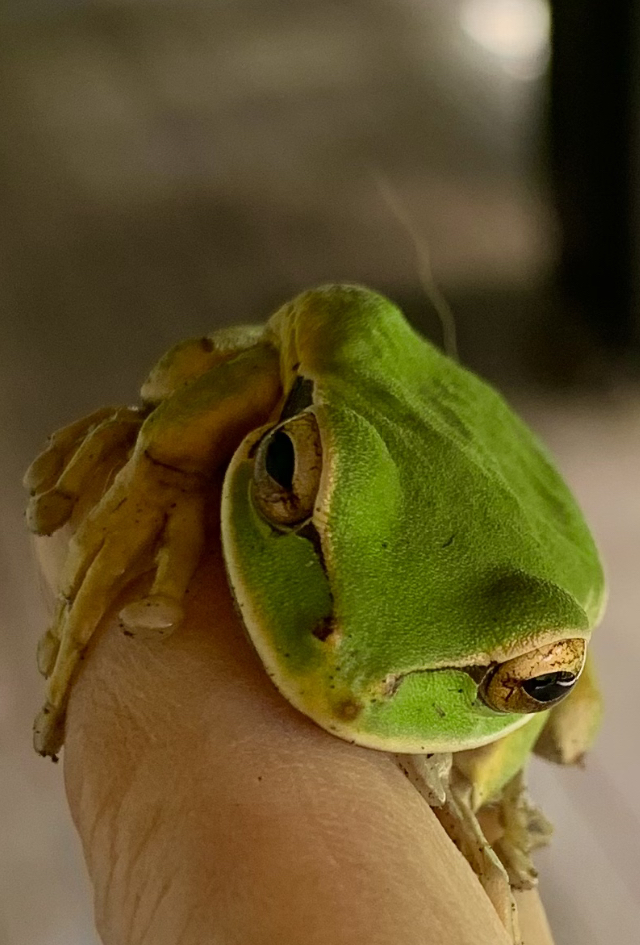
Rancho Margot is an education-focused eco-lodge and regenerative community located off the grid in the mountains of Costa Rica. Since 2004, we have been working to restore biodiversity, live in harmony with nature, and develop sustainable and regenerative practices. Our vision is to grow as a model regenerative community that operates with ecological awareness while contributing positively to local communities and the planet. Over more than 20 years, Rancho Margot has continued to develop as a place where people can learn, connect with nature, and explore more sustainable ways of living. Yoga has always been an important part of the Rancho Margot experience. Our yoga platform provides a space for personal transformation, curiosity, mindfulness, and a deeper connection with the natural surroundings. This tradition remains at the heart of the transformative experience we offer our guests and community.
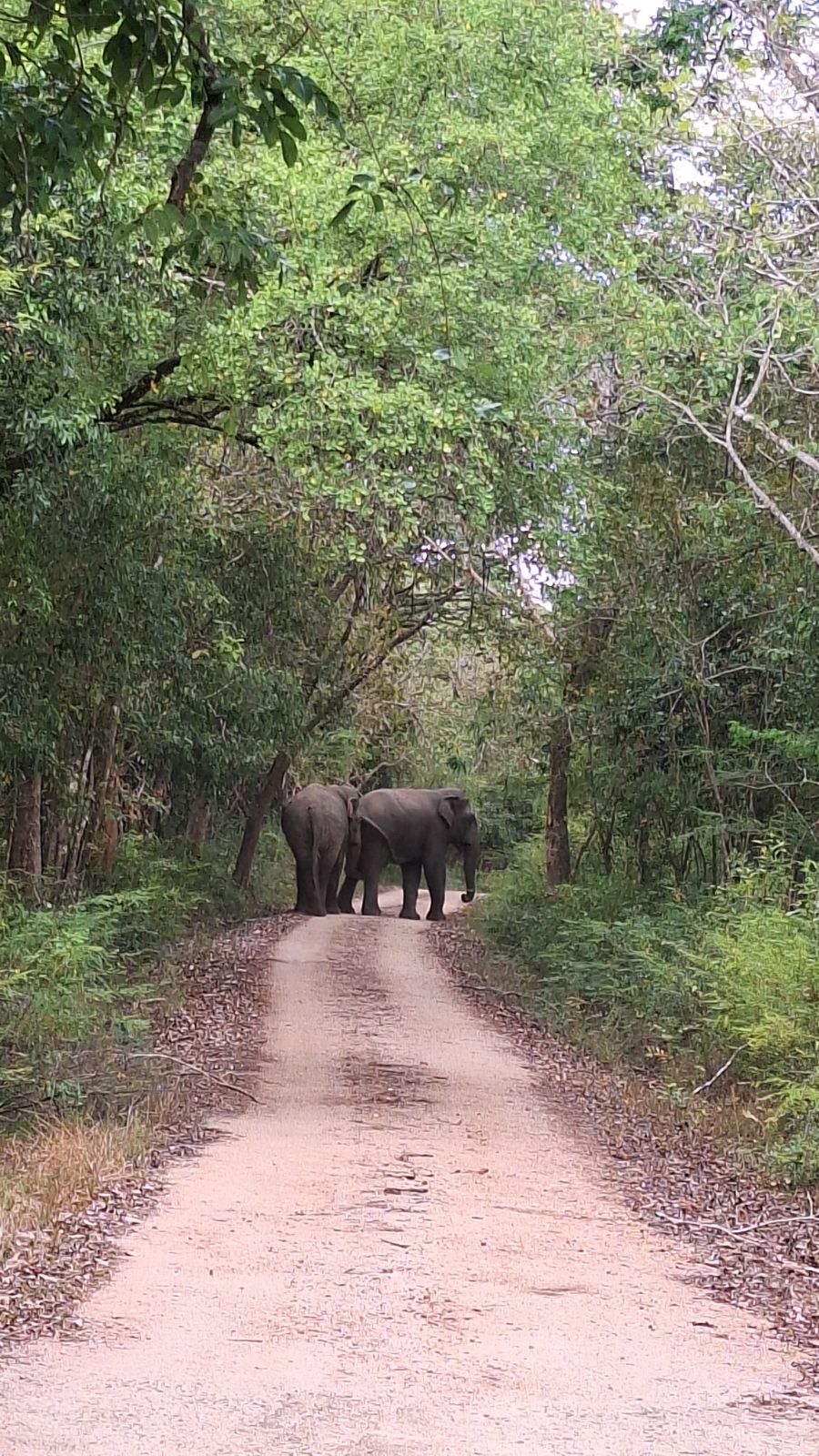
For over 30 years, the Sri Lanka Wildlife Conservation Society (SLWCS) has worked to protect Sri Lanka’s extraordinary wildlife and natural landscapes while helping people and wildlife thrive together. Our work is built on a simple belief: lasting conservation is only possible when local communities are part of the solution. Rather than focusing on wildlife in isolation, SLWCS places communities at the heart of its research and conservation efforts. We work to understand the challenges facing both people and wildlife, develop practical solutions to human-wildlife conflict, protect biodiversity, and create opportunities that benefit local communities. Our mission is to help communities balance ecosystem protection with economic development by pioneering innovative and sustainable solutions for wildlife conservation. Through research, education, community engagement, and field-based initiatives, we strive to create a future where people and wildlife can coexist. SLWCS programs provide tangible benefits to local communities, including employment opportunities and support for sustainable livelihoods. By involving local people directly in conservation, we encourage responsible stewardship of natural resources and strengthen the long-term sustainability of our work. Volunteers and conservation enthusiasts from around the world also play an important role. By participating in meaningful fieldwork, they directly support our research, conservation, and community initiatives while gaining an immersive understanding of wildlife conservation in action. Over three decades, our award-winning work has gained international recognition. Yet our greatest impact can be seen in the landscapes, wildlife, and communities we work alongside every day. Protecting wildlife. Empowering communities. Creating lasting coexistence.
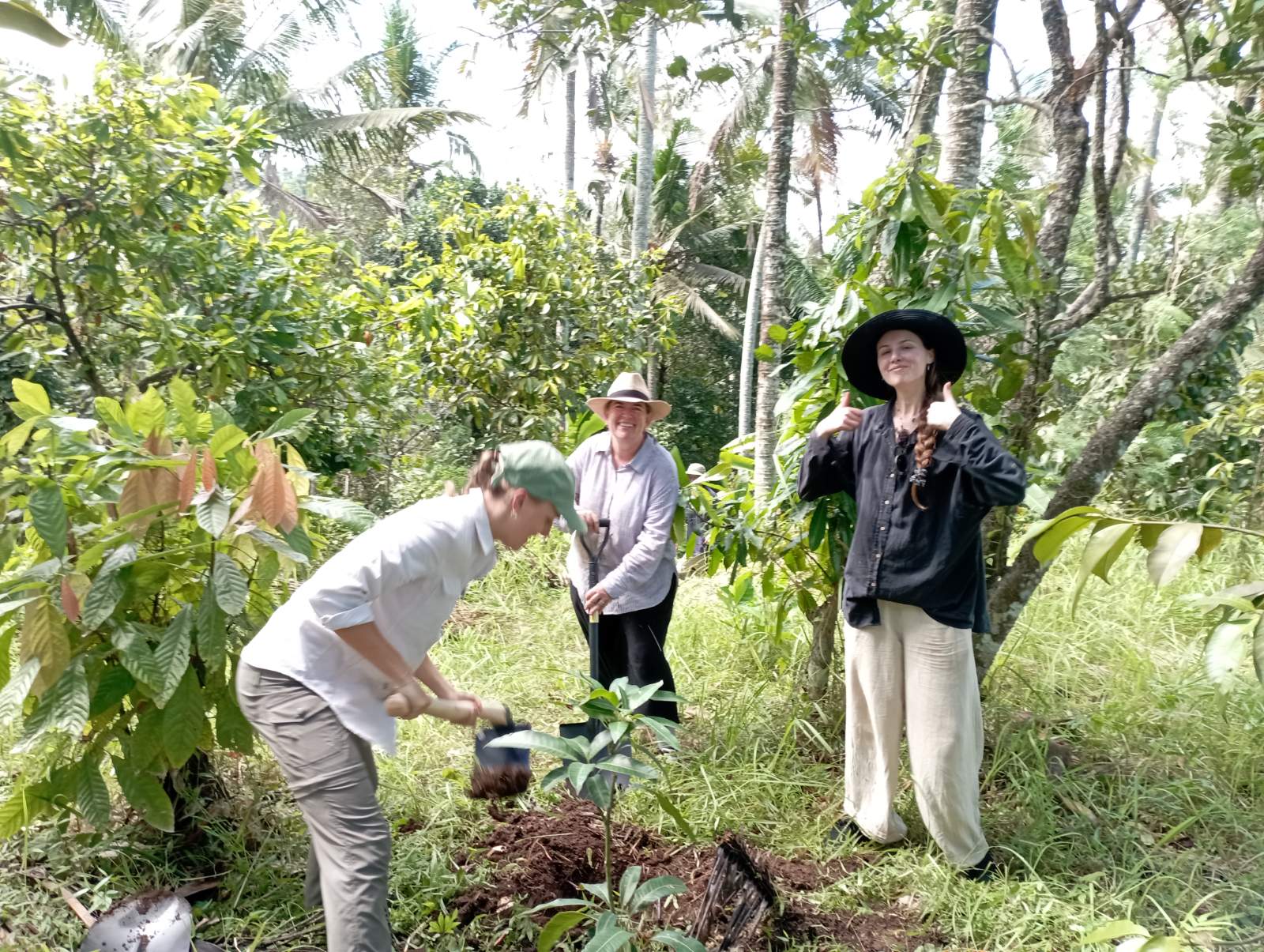
Tri Hita Karana Bali is a small local NGO based in Ubud, Bali, working on a range of community and environmental projects. Our work includes community-based waste management, regenerative agriculture, home gardens and agroforestry, environmental education, English classes for local communities, educational tourism, appropriate technology, permaculture design, and heritage seed conservation. Our work is inspired by the Balinese philosophy of Tri Hita Karana, which promotes harmony between people, nature, and spirituality. Through our projects, we aim to strengthen this connection and encourage more ecologically and economically sustainable practices across Bali.
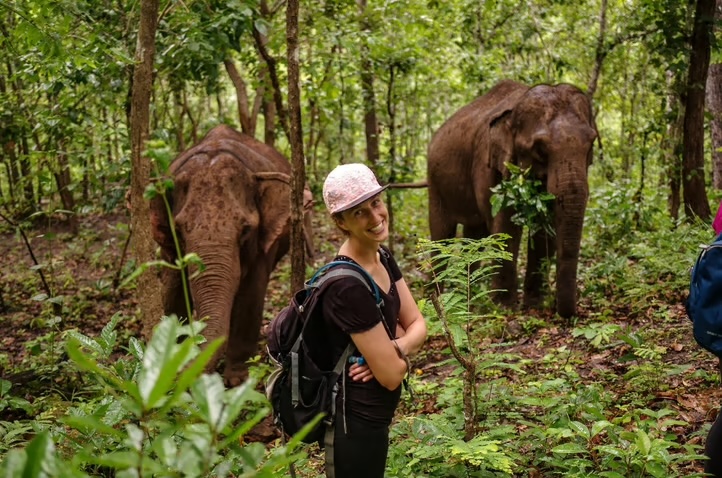
Kindred Spirit Elephant Sanctuary (KSES) is a non-profit foundation working alongside Karen communities in Northern Thailand to support elephant welfare, sustainable livelihoods and the protection of the forests they depend on. Our elephants live in the forest, where they are able to move, forage, socialise and rest according to their own rhythms. Our approach prioritises autonomy, space and natural behaviour. Visitors do not touch, feed, bathe or ride the elephants. Instead, they hike through the forest and observe them from a respectful distance, learning to appreciate elephants as individuals with their own needs, relationships and behaviours. Alongside our elephant welfare work, we contribute to behavioural research, community initiatives, environmental projects and education. We work closely with the local Karen community, recognising and valuing the knowledge, experience and long-standing relationships that exist within the community. Our work is based on collaboration, with initiatives developed alongside the people who live and work here. KSES is a small organisation, and collaboration is at the heart of what we do. Our visitors, interns, mahouts, community members, researchers and partner organisations all contribute to the work we share: supporting elephant welfare, community life and the forest environment in ways that are respectful of the people and place at the heart of KSES.
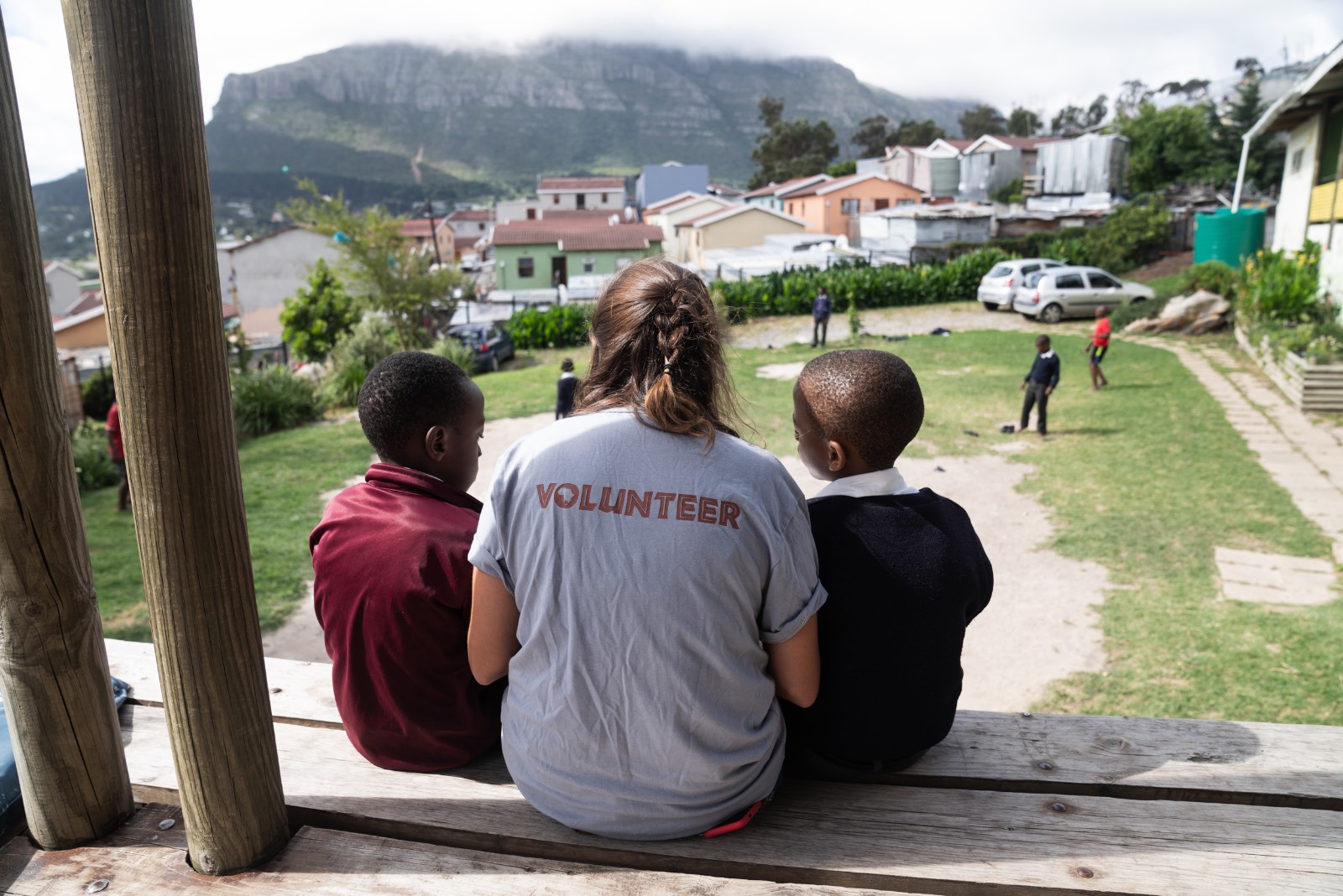
The Hout Bay Children's Programmes support disadvantaged children through early childhood education, after-school care, and holistic development in one of Cape Town's underserved communities. The Educare Centre, established in 1999, provides childcare, nutritious meals, and preschool education for 300 children aged 1–6, preparing them for formal schooling in a safe and nurturing environment. The Primary After-School Programme supports 108 vulnerable children aged 6–13, offering homework assistance, literacy and numeracy support, life skills, counselling, arts, sports, and other enrichment activities in a safe space. Opened in 2024, the Learning Hub provides after-school care for 60 children aged 6–13, focusing on homework support, creative learning, outdoor play, themed educational activities, and mindfulness to encourage confidence, curiosity, and personal growth. The programme is supported by Good Hope Volunteers, a volunteer organisation founded in 2009 that connects international volunteers with trusted community and conservation projects across South Africa. Working alongside local nonprofit organisations, Good Hope Volunteers provides meaningful volunteering experiences that create lasting benefits for both volunteers and the communities they serve, while promoting inclusivity, transparency, sustainable development, environmental conservation, and positive social change.
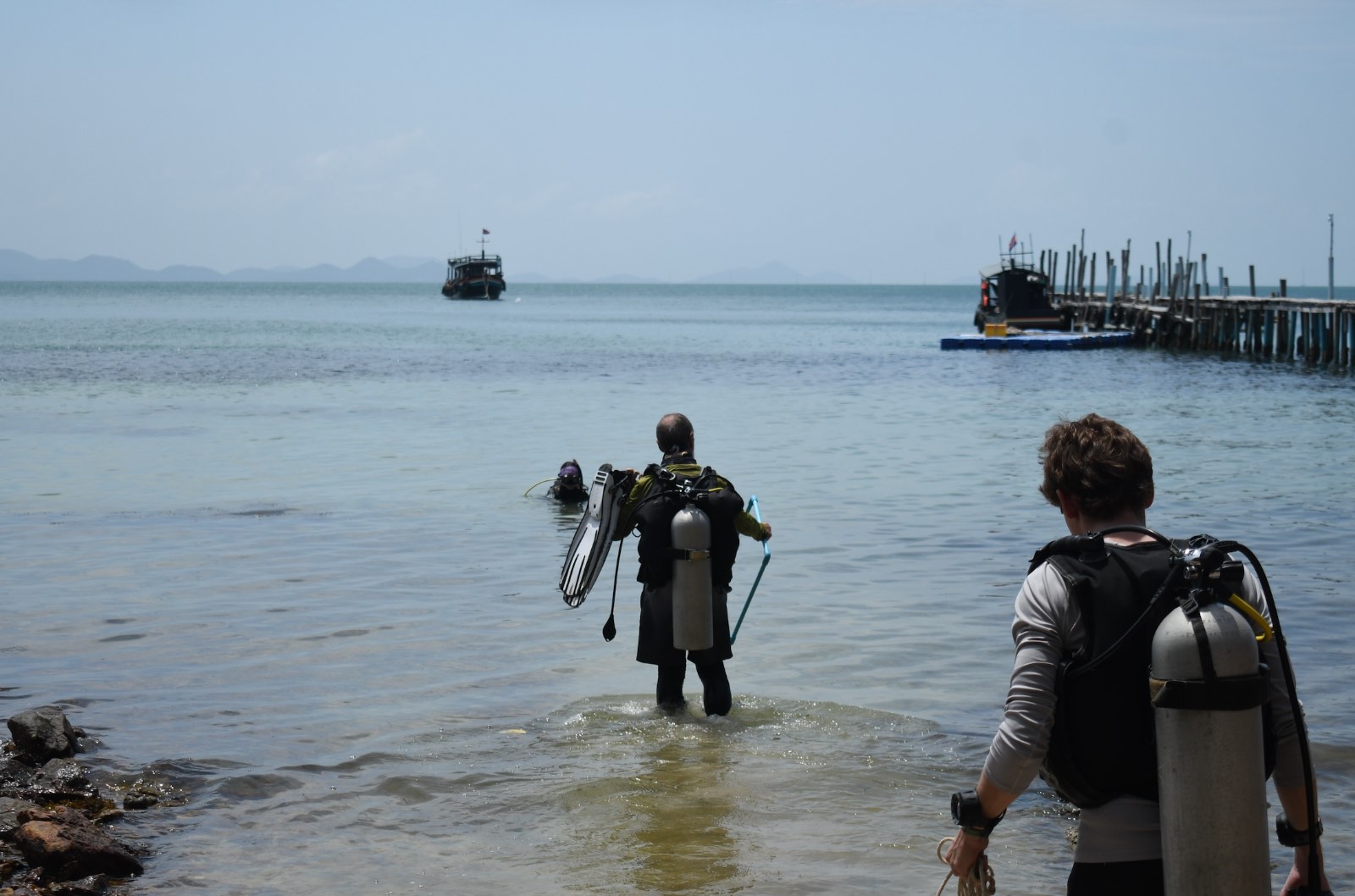
Marine Conservation Cambodia (MCC) is a community-based NGO dedicated to protecting Cambodia's marine ecosystems through research, conservation, and community partnerships. Since 2008, MCC has worked to safeguard marine biodiversity while supporting sustainable livelihoods for coastal communities. Based on Koh Ach Seh in the Kep Archipelago, MCC studies marine ecosystems, identifies conservation challenges, and develops practical solutions alongside local fishers, communities, and government partners. Its work combines scientific research, community engagement, and policy through initiatives such as seagrass and seahorse monitoring, marine mammal surveys, citizen science, and environmental education. MCC's mission is to protect and restore Cambodia's marine ecosystems while ensuring the people who depend on them can continue to thrive. By connecting science, conservation, and collaboration, MCC is helping build a healthier and more sustainable future for Cambodia's oceans and coastal communities.
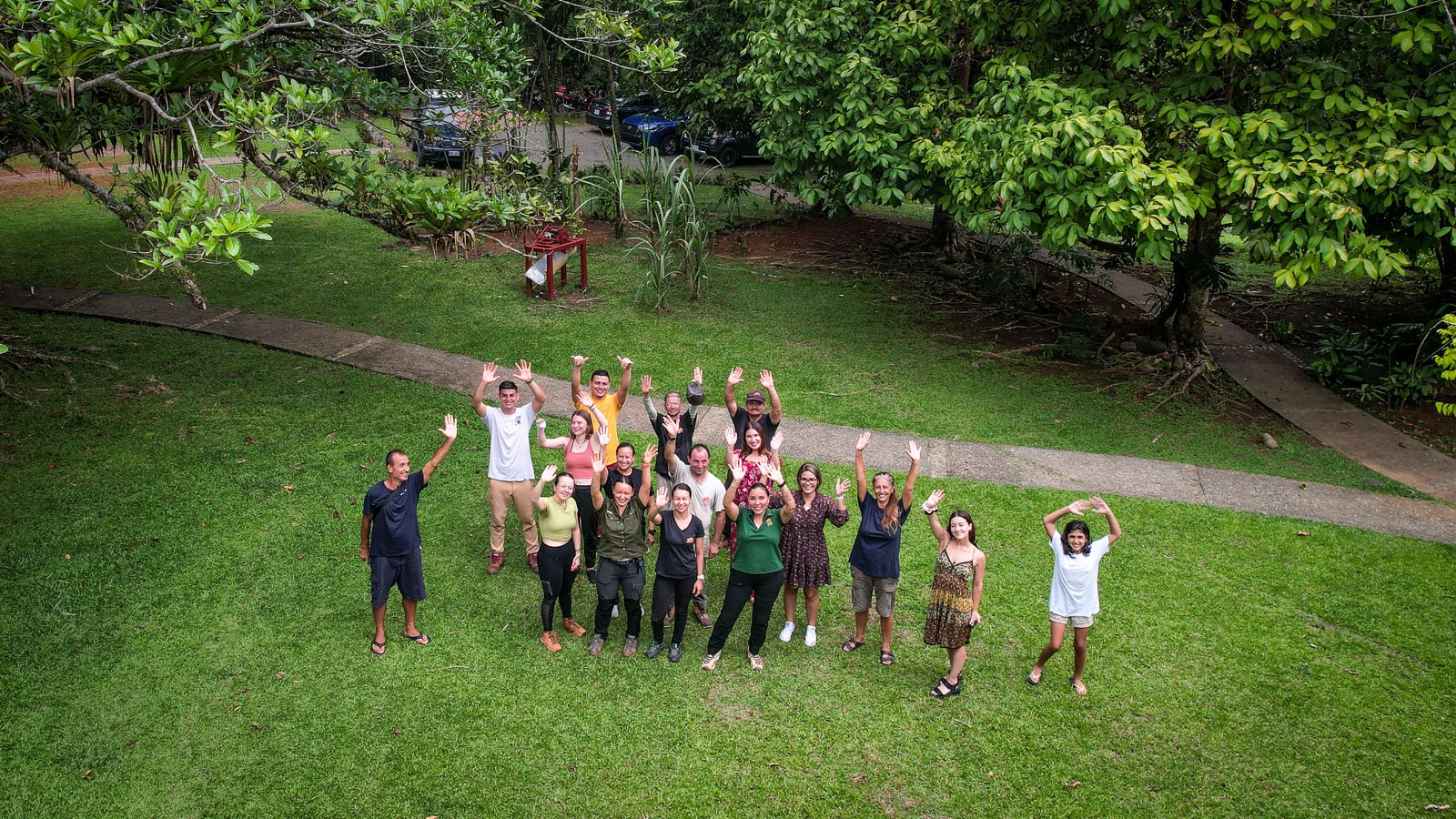
Kids Saving the Rainforest (KSTR) is a nonprofit wildlife conservation organization based in Quepos, Costa Rica, dedicated to protecting the country's rich biodiversity. Founded in 1999, KSTR rescues, rehabilitates, and releases injured, sick, and orphaned wildlife through its rescue centre, while providing lifelong care for animals that cannot be returned to the wild. Beyond wildlife rescue, KSTR works to protect Costa Rica's ecosystems through environmental education, reforestation, and wildlife bridge projects, helping reduce the threats facing native wildlife and promoting long-term conservation.
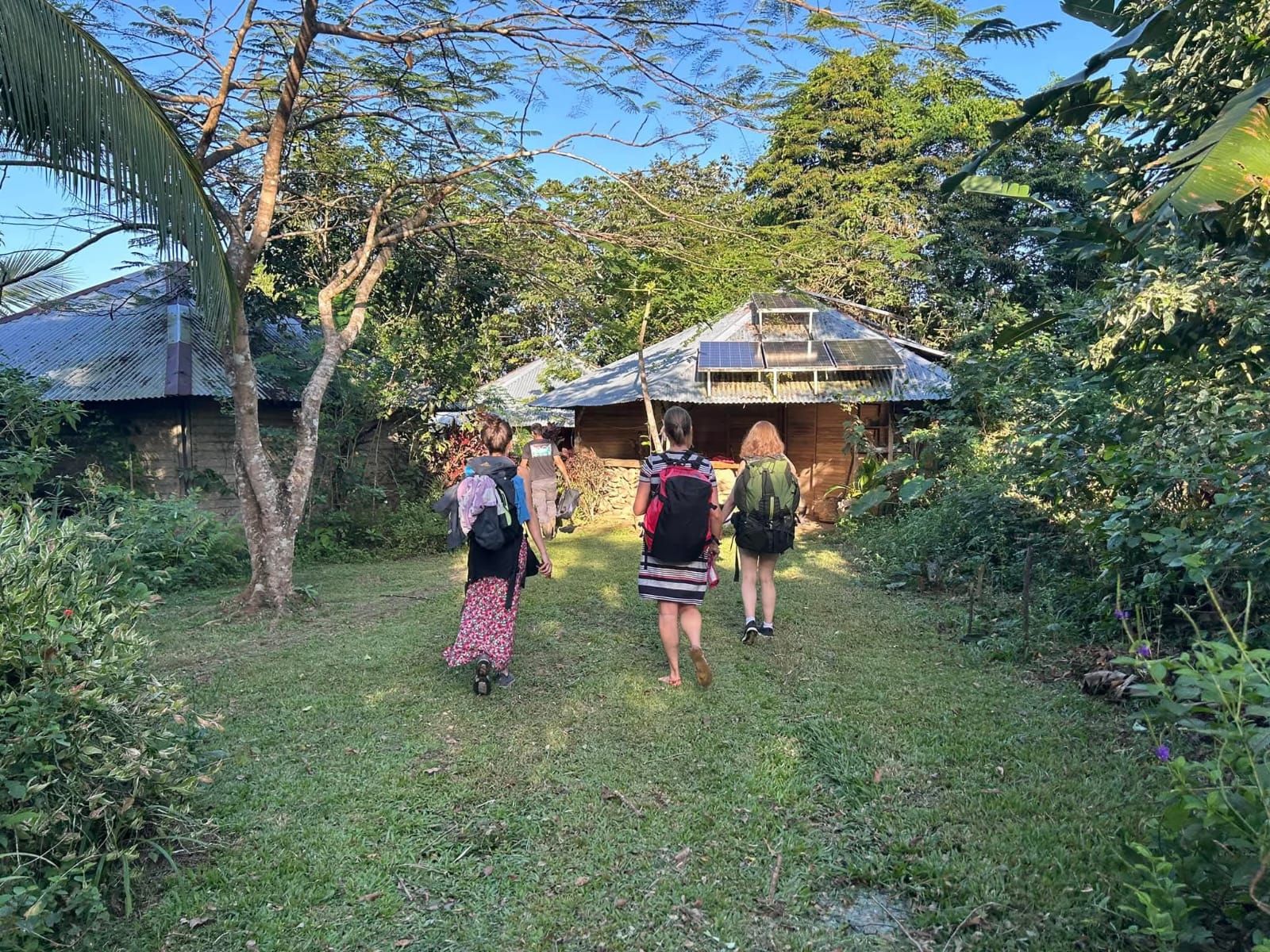
Tierra Madre is a family-run eco-lodge and regenerative farm nestled in the tropical rainforest of northern Costa Rica. Over the past 14 years, former cattle pasture has been transformed into a thriving ecosystem of restored forests, edible gardens, agroforestry systems, wildlife corridors, and a welcoming community for volunteers from around the world. Our mission is to show that regenerative agriculture, biodiversity, education, and sustainable hospitality can thrive together. Volunteers help with a variety of seasonal projects, including creating edible gardens, planting trees, maintaining food forests, natural building, trail maintenance, harvesting food, and supporting the daily life of the eco-lodge. Tierra Madre is a living, evolving project where every volunteer helps shape a more sustainable future.
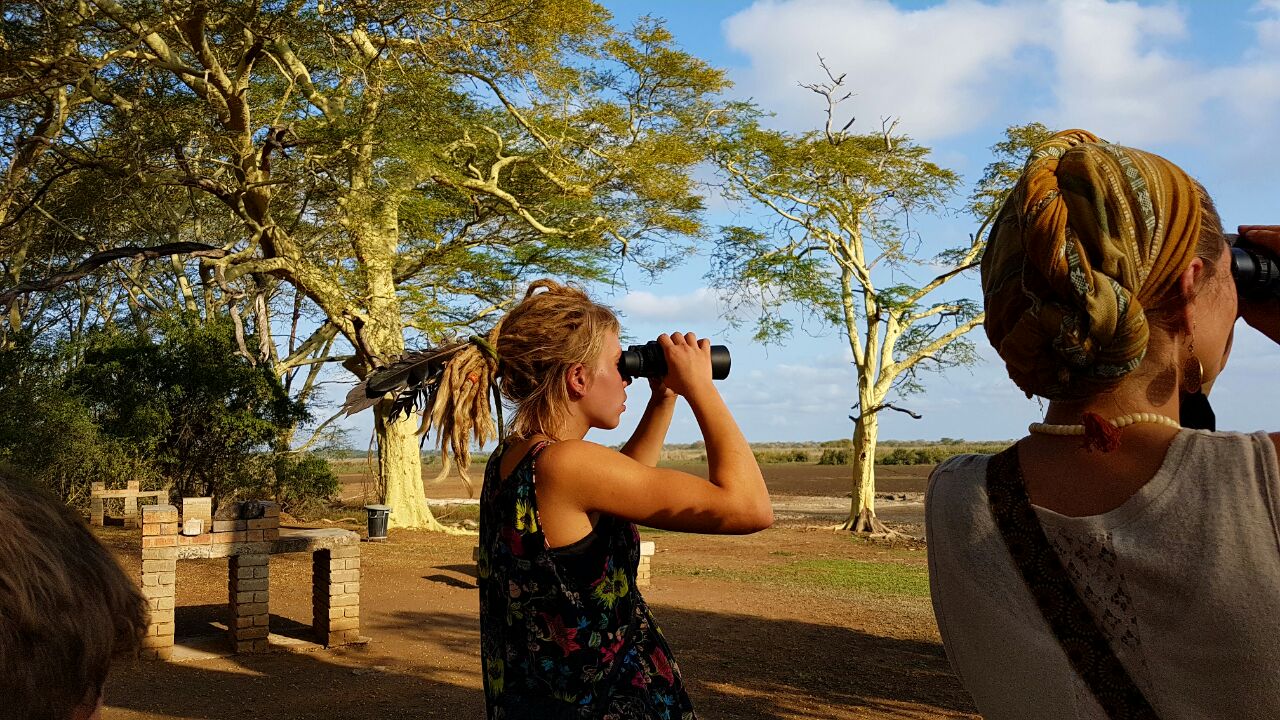
Our conservation camp is a welcoming base for travellers, students, and volunteers passionate about wildlife, nature, and environmental conservation. Surrounded by unspoiled beaches, forests, lakes, and rich Zulu culture, the camp offers a unique opportunity to experience the natural beauty of northern South Africa while making a meaningful impact. Our primary mission is to help protect the remaining hippos of Lake Sibaya, South Africa's largest freshwater lake. Volunteers contribute to wildlife monitoring, beach clean-ups, biodiversity surveys, and other conservation projects. Those with practical or creative skills can also assist with building and improving our base camp. Located near Sodwana Bay, famous for its world-class scuba diving, the camp is the perfect place to combine conservation, adventure, and an authentic African experience.
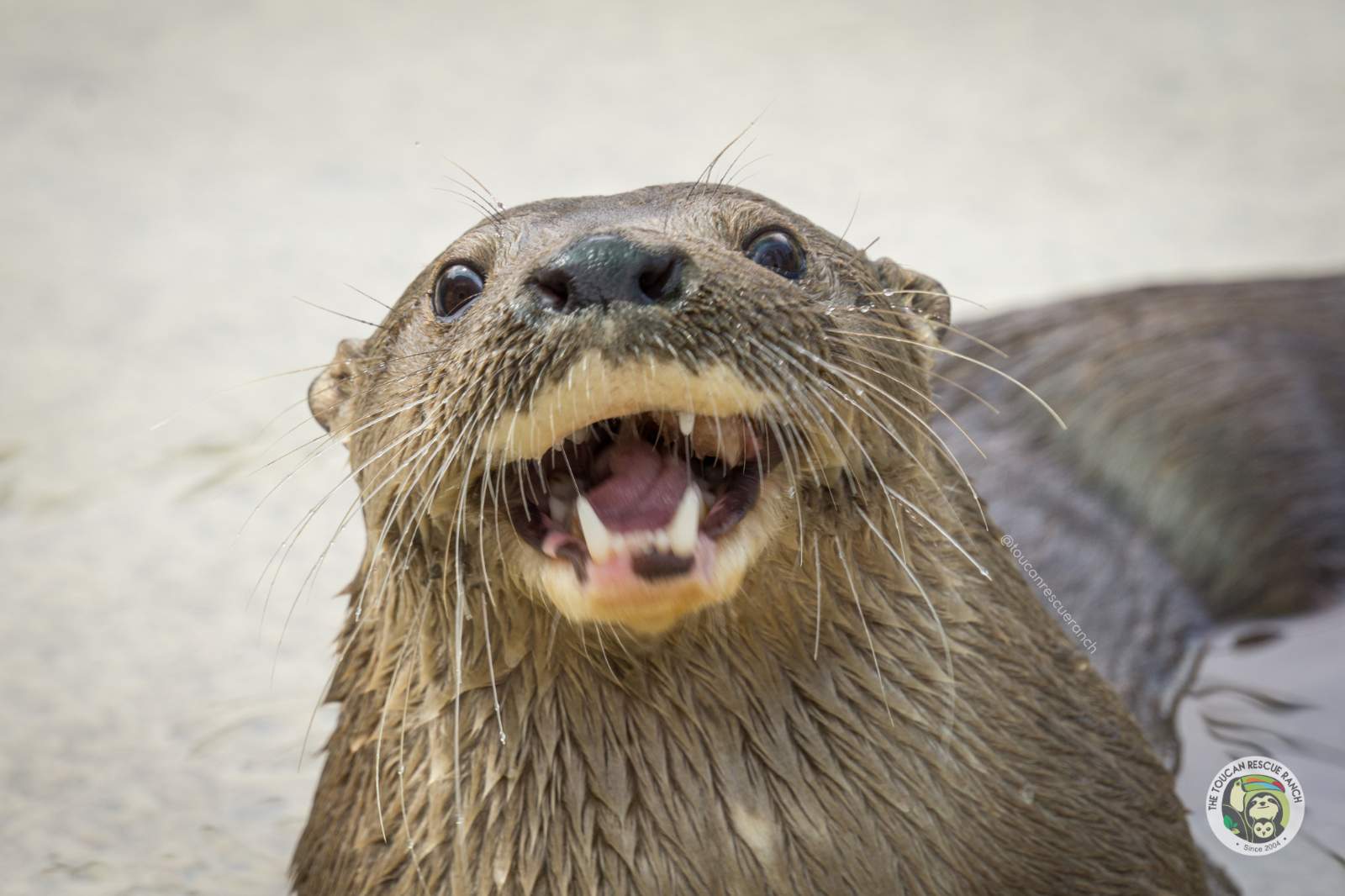
The Toucan Rescue Ranch (TRR) is a wildlife rescue and rehabilitation centre dedicated to rescuing, rehabilitating, and releasing Costa Rica's native wildlife. Working alongside the Ministry of Environment and Energy (MINAE), TRR provides expert care for injured, orphaned, and confiscated animals, with the goal of returning them to the wild whenever possible. Built on the pillars of conservation, education, and research, TRR offers hands-on internship programmes for students and aspiring conservationists, providing practical experience in wildlife rescue, rehabilitation, and animal care. TRR operates two facilities: - Headquarters (HQ), San Isidro, Heredia – Rescue centre, veterinary clinic, rehabilitation facilities, and wildlife sanctuary. - Release Site (RS), Nazareth, Sarapiquí – Final rehabilitation and pre-release facility for rescued wildlife.
We are a volunteer-based, non-profit organisation dedicated to creating positive change in communities across Vietnam. Working closely with local partners, we support vulnerable children and adults through education, care, and community engagement, believing that small actions can make a lasting impact. Our Mission We empower children, young adults, and people with disabilities through education, inclusive activities, and emotional support while promoting environmental awareness and sustainable community development. By fostering compassion, understanding, and shared experiences, we help build stronger, more inclusive communities. Our Programmes We offer meaningful volunteer programmes in Hanoi and nearby areas, along with community-based charity tours. Volunteers can teach foreign languages, organise educational and creative activities, support people with disabilities, and participate in environmental initiatives. Every programme is designed to encourage cultural exchange, personal growth, and meaningful connections while making a positive impact on local communities.
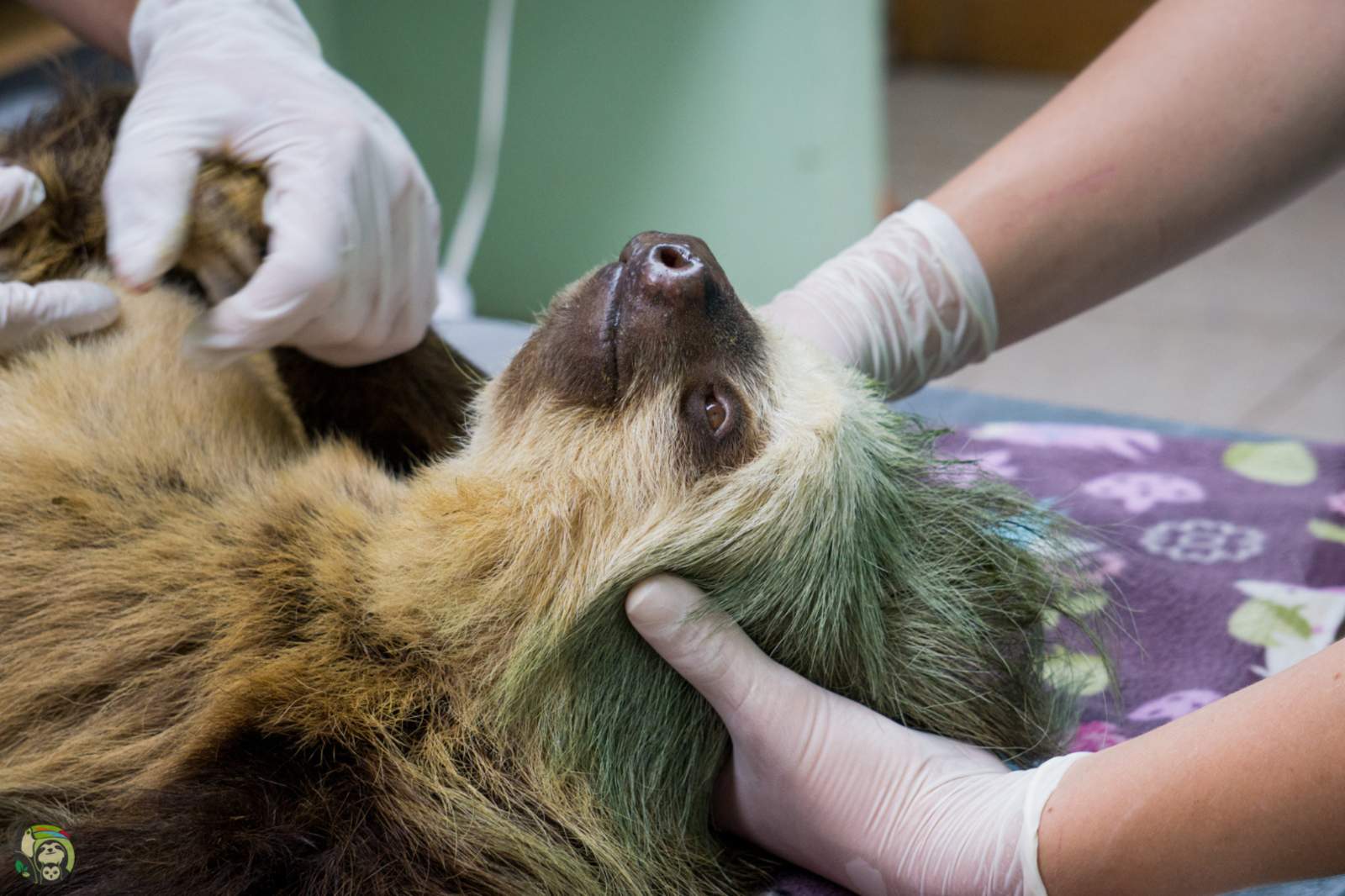
The Toucan Rescue Ranch (TRR) is dedicated to rescuing, rehabilitating, and releasing Costa Rican wildlife. Our work is built on three core pillars—conservation, education, and research—to help create a brighter future for the country's native wildlife. We provide specialised care for sick, injured, and confiscated animals referred to us by Costa Rican government agencies. TRR works closely with the Ministry of Environment and Energy (MINAE), which brings injured and displaced wildlife to our rescue centres. Animals receive expert veterinary treatment, rehabilitation, and, whenever possible, are successfully released back into their natural habitats. Our internship programmes offer hands-on experience in wildlife rescue, rehabilitation, and conservation, making them ideal for students and aspiring conservationists who want to gain practical skills while making a meaningful impact. TRR operates across two locations: Headquarters (HQ) – San Isidro, Heredia Home to the rescue centre, veterinary clinic, quarantine, and rehabilitation facilities. Houses the wildlife sanctuary for animals that cannot be released and require lifelong care. Offers educational guided tours focused on wildlife conservation and environmental education. Release Site (RS) – Nazareth, Sarapiquí Functions as a second rescue centre. Serves as the final rehabilitation and pre-release site for many rescued animals before they return to the wild.
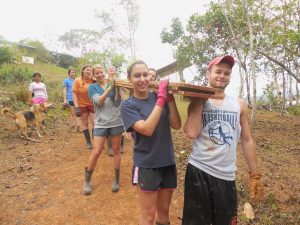
Our mission is to educate and empower local farmers, students, families, environmental interns, international volunteers, and community groups through hands-on learning experiences that promote sustainable agriculture and environmental stewardship. Our vision is to foster self-sufficient, sustainable, and agroecological farming systems in Costa Rica and beyond, creating healthier communities and a more resilient future for generations to come.
Varitra Foundation is a youth-led, Section 8 non-profit organisation dedicated to transforming rural government schools into quality learning spaces and nurturing grassroots changemakers in Haryana, India. Since its inception, the foundation has worked across nearly 60 villages, positively impacting more than 15,000 rural children, youth, and women in the districts of Karnal, Panipat, and Faridabad. Our vision is to strengthen rural education by creating child-friendly learning environments, empowering local communities, and supporting the holistic development of underprivileged children. Through a whole-school transformation approach, we combine infrastructure improvements, learning enhancement, child-centred spaces, and community participation to create lasting change. Our work is guided by four key pillars: - Advocacy with schools and local Panchayats - Innovation in teaching and learning spaces - Leadership development for children and teachers - Community ownership and long-term sustainability
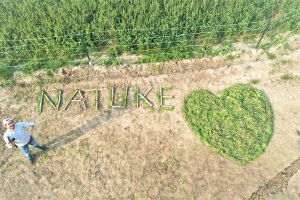
Some places entertain you. Some places educate you. Anandgram quietly changes the way you experience life. Nestled in the peaceful landscapes of northern India, Anandgram is a living community where nature, creativity, mindful living, and meaningful human connections come together. More than a traditional volunteer programme, it offers an opportunity to become part of a welcoming community built on shared experiences, purposeful work, and cultural exchange. Each day brings new opportunities to contribute based on your interests and skills. You might help care for organic gardens, capture stories through photography, create digital content, support eco-construction projects, participate in meditation, or simply share your culture while learning from others. Life moves at a slower pace here. Days begin under open skies, conversations unfold over home-cooked meals, and evenings are filled with connection, reflection, and community. If you're looking for more than a volunteer placement—if you value meaningful experiences, genuine relationships, and a deeper connection with people and nature—Anandgram warmly welcomes you.
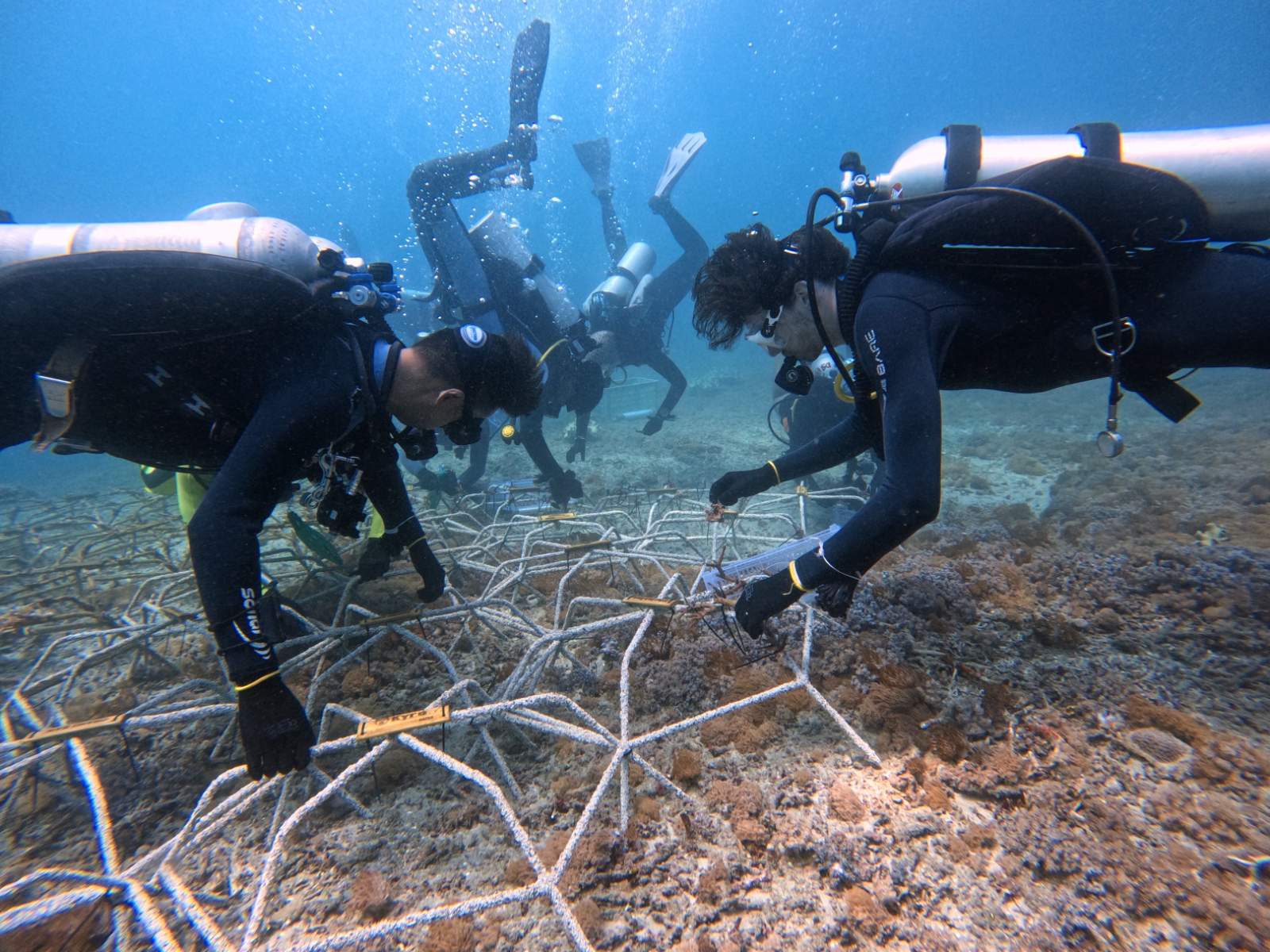
The Livingseas Coral Restoration Site is the largest project of its kind in Bali, covering more than 9,000 m² and comprising over 9,200 reef structures. Led by the Livingseas Foundation and managed by Livingseas Asia, the initiative aims to restore 5 hectares (50,000 m²) of coral reef habitat stretching from Padangbai to Amuk Bay. Coral reef restoration is at the heart of our mission. Since 2019, Livingseas has been leading one of Indonesia's largest coral restoration initiatives off the coast of Padangbai, a traditional fishing village in northeastern Bali. This ambitious project continues to expand, making a significant contribution to marine conservation while helping restore vital reef ecosystems. Livingseas has earned international recognition for its work, including the prestigious Blue Water Heroes Award presented by Dr. Sylvia Earle. Our founder, Leon, has also delivered a TEDx talk in Singapore and has been featured by the Coral Restoration Consortium (CRC) for his contributions to coral restoration and marine conservation. Beyond reef restoration, Livingseas is committed to inspiring and training the next generation of marine scientists, conservationists, and ocean advocates. Through our Restoration & Research Internships, marine conservation placements, ecotourism internships, and volunteer programmes, participants gain practical, hands-on experience in reef restoration, scientific research, and environmental conservation while developing the skills needed to help protect marine ecosystems around the world.
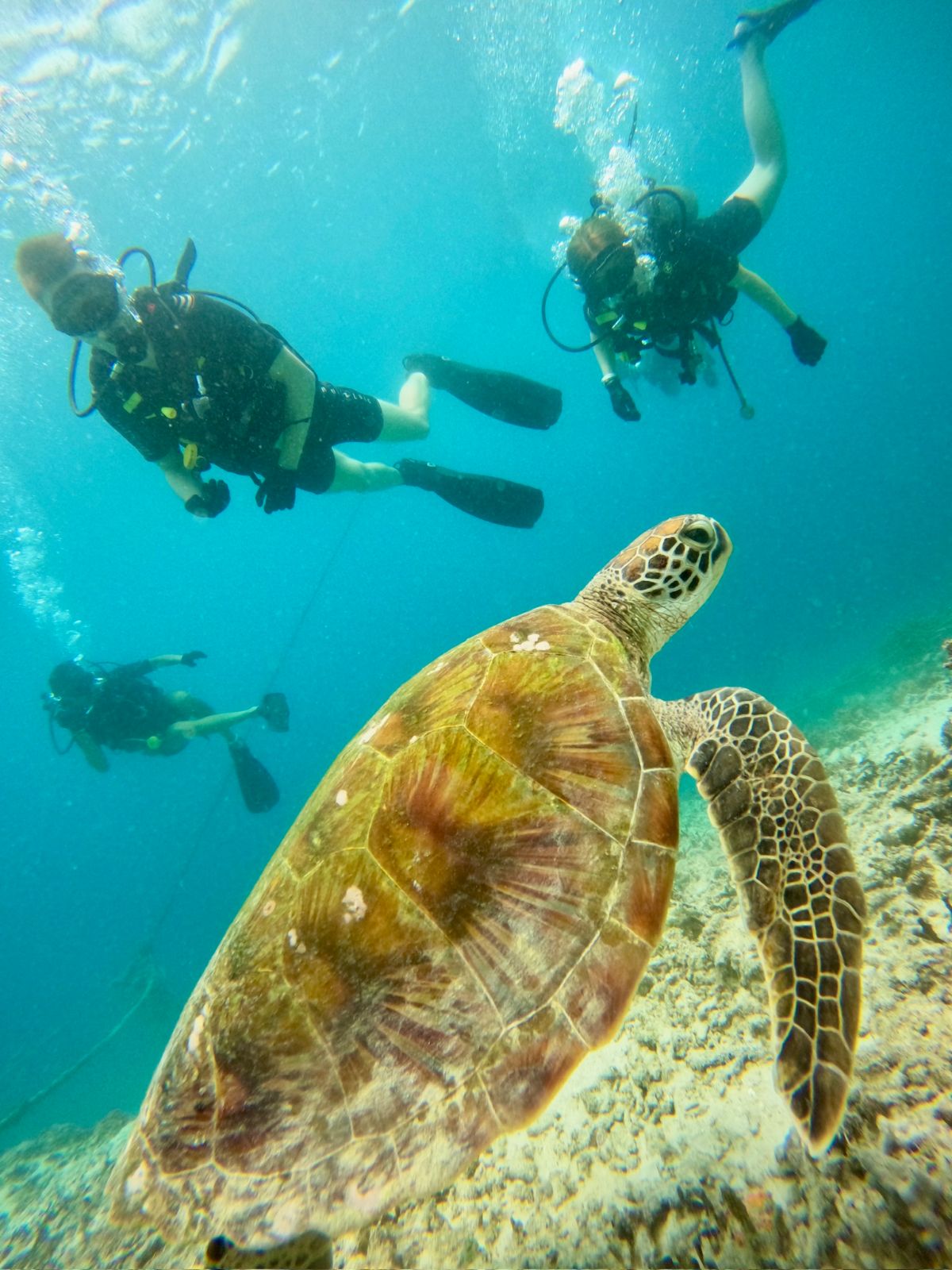
Founded in 2002, Gili Eco Trust is one of Indonesia's longest-running island conservation organisations. Established to protect the Gili Matra Marine Park from destructive fishing practices, we have grown into a community-based organisation leading marine conservation, sustainable waste management, environmental education, and animal welfare across the Gili Islands. In 2004, we launched our pioneering Biorock reef restoration programme. Today, more than 200 Biorock reefs have been installed, creating thriving artificial reef habitats that support thousands of corals, fish, sea turtles, and other marine species. Our conservation work also includes coral gardening, Reef Check and CoralWatch monitoring, coral bleaching surveys, passive acoustic reef monitoring (Reef Sounds), turtle conservation, mooring buoy maintenance to prevent anchor damage, and marine education for divers, schools, and local communities. Beyond the ocean, Gili Eco Trust works closely with the local waste management organisation (FMPL) to improve waste collection, recycling, and environmental awareness. Together, we coordinate waste collection from more than 800 businesses on Gili Trawangan, helping transport recyclable materials to Lombok while developing innovative local recycling and glass upcycling initiatives that reduce pollution and support a circular economy. Our commitment to the community also extends to animal welfare through regular veterinary clinics for the island's working horses, educational outreach in schools, environmental workshops, beach clean-ups, and sustainability training for tourism businesses. Our mission is to create a cleaner, healthier, and more sustainable future for the Gili Islands by protecting marine ecosystems, restoring coral reefs, reducing waste, promoting responsible tourism, improving animal welfare, and inspiring local communities and visitors to become active stewards of the environment.
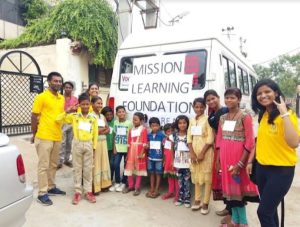
Mission Learning is a volunteer-led organisation that brings together like-minded people from across India with a shared goal of creating positive change. We believe in helping people build brighter futures, with education serving as our primary channel for empowerment. Through meaningful volunteer opportunities and community initiatives, we work to inspire learning, spread hope, and bring smiles to the communities we serve.
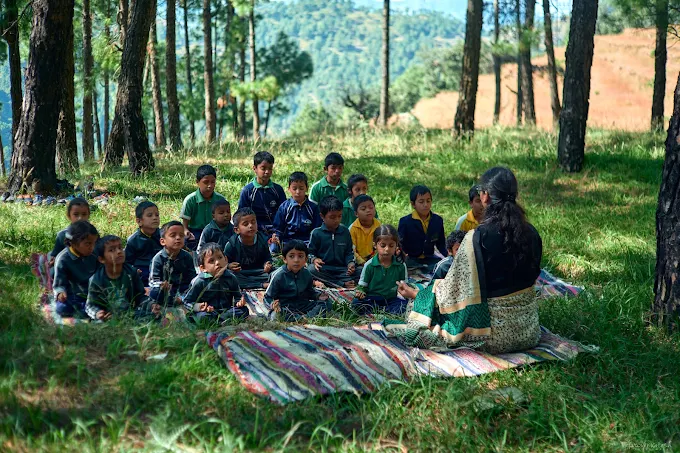
Our dream is simple: to help villages become places where people can build meaningful lives without having to leave their homes in search of opportunities. We believe that when education, traditional skills, sustainable livelihoods, and a strong sense of community come together, rural villages can thrive for generations. Over the years, that dream has grown into a living community. Today, Shri Timli brings together women artisans, farmers, children, educators, volunteers, and changemakers who share a common purpose—to preserve what is valuable from the past while creating opportunities for the future. Volunteers become part of this community, bringing new ideas, skills, stories, and perspectives while gaining experiences that cannot be found in guidebooks or tourist destinations. Every day is different because village life is wonderfully unpredictable. You might help local women weave handwoven shawls on traditional looms, plant vegetables, document village life through photography, teach English or digital skills, improve our website, or simply share conversations over chai with our neighbours. Life here is simple. We wake up to birdsong and mountain views, enjoy home-cooked meals prepared with local ingredients, work alongside villagers, and spend evenings sharing stories under clear Himalayan skies. There is no rush, no city noise, and very little distraction—just an opportunity to reconnect with nature, people, and yourself. Whether you're an artist, teacher, filmmaker, designer, engineer, gardener, writer, student, or simply someone curious about rural life, there is always a place for you here. You don't need to be highly skilled; what matters most is kindness, curiosity, and a willingness to learn.