
We are community members hosting international volunteers since 1988. We have welcomed volunteers from 32 countries and provide clean, comfortable accommodation and traditional Indian home-cooked organic meals. Volunteers have opportunities to interact with the local community, teach English to school students and children, and learn local and Hindi languages. They can also learn local crafts and arts, enjoy living close to nature with fresh air, and experience local customs and traditions. Participants may also join local fairs, cultural events, and Hindu religious celebrations, depending on the season and timing.
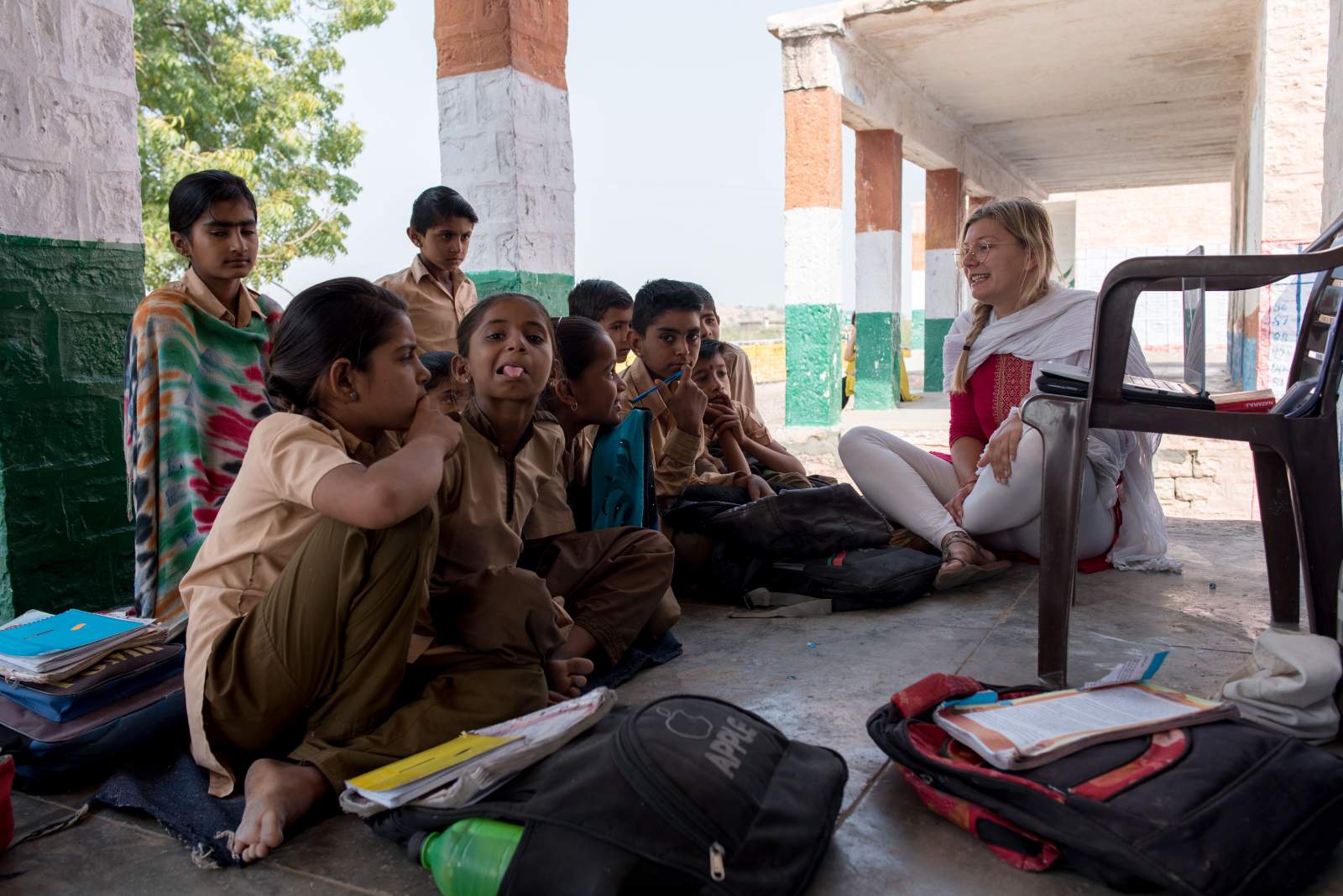
Sambhali Trust is an independent community-based non-profit working to create greater opportunities for vulnerable communities in Rajasthan, India, through training, education, health support, and livelihood initiatives. Founded by Govind Singh Rathore in Jodhpur in 2007, Sambhali grew from a local response to the inequalities experienced by women and children in the surrounding community. Sambhali has grown into a wider network of programmes supporting women, girls, children and other marginalized people across Rajasthan. Our work is grounded in the belief that effective change stems from people having the knowledge, confidence, skills and support to shape their own future. We go beyond short-term solutions by working alongside communities to strengthen education, livelihoods, safety, and social inclusion. Sambhali projects operate primarily across Jodhpur, Setrawa and Jaisalmer.

Samvedna Sansthan, Ajmer is a social organization committed to empowering underprivileged families living in urban slum areas. The organization works to connect children with education, empower women through Self Help Groups, and link communities with healthcare services and government welfare plans. Our vision is to build an inclusive society where every child is educated, every family is healthy, and every individual has access to dignified livelihood opportunities. Our mission is to: connect children from marginalized communities with education; empower women through SHGs and livelihood initiatives; promote health awareness and access to welfare schemes; and strengthen community development through volunteer support.
 Noida, India
Established in 2011, Give Me Trees is a non-profit organisation actively working towards afforestation, biodiversity conservation, ecological restoration, environmental education, and providing livelihoods to local communities. Registered as a trust in 2011 under the Indian Trusts Act, 1882, Give Me Trees Trust is now one of the largest tree-planting organisations in India. With the invaluable support of 18,600 volunteers from around the world, we have successfully planted over 2.64 crore trees to date. The founder, Swami Prem Parivartan, also known as Peepal Baba, has personally planted more than 1.27 crore Peepal trees across India.
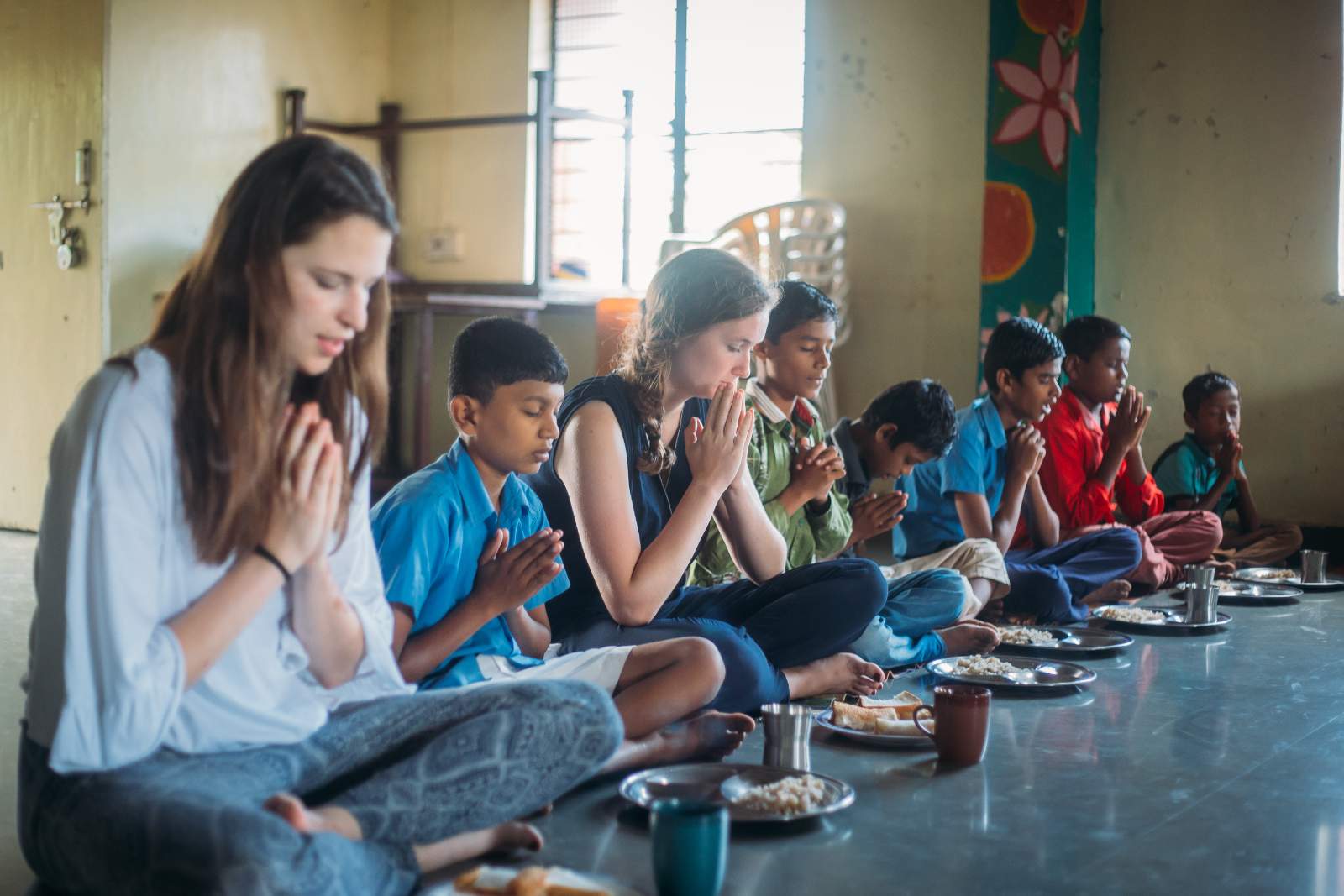
Deep Griha Society is a community development organisation working with underserved communities in and around Pune, Maharashtra, India, for over six decades. Our work focuses on education, empowerment, healthcare, and sustainable development, supporting children, families, women, senior citizens, and other community members. Volunteers can work directly with our grassroots programmes, contributing to education, child development, community engagement, digital skills, communications, livelihoods, and other activities based on their interests and skills. At Deep Griha, volunteering is a two-way experience where you can share your knowledge, learn about grassroots development, and contribute to practical, community-led solutions.
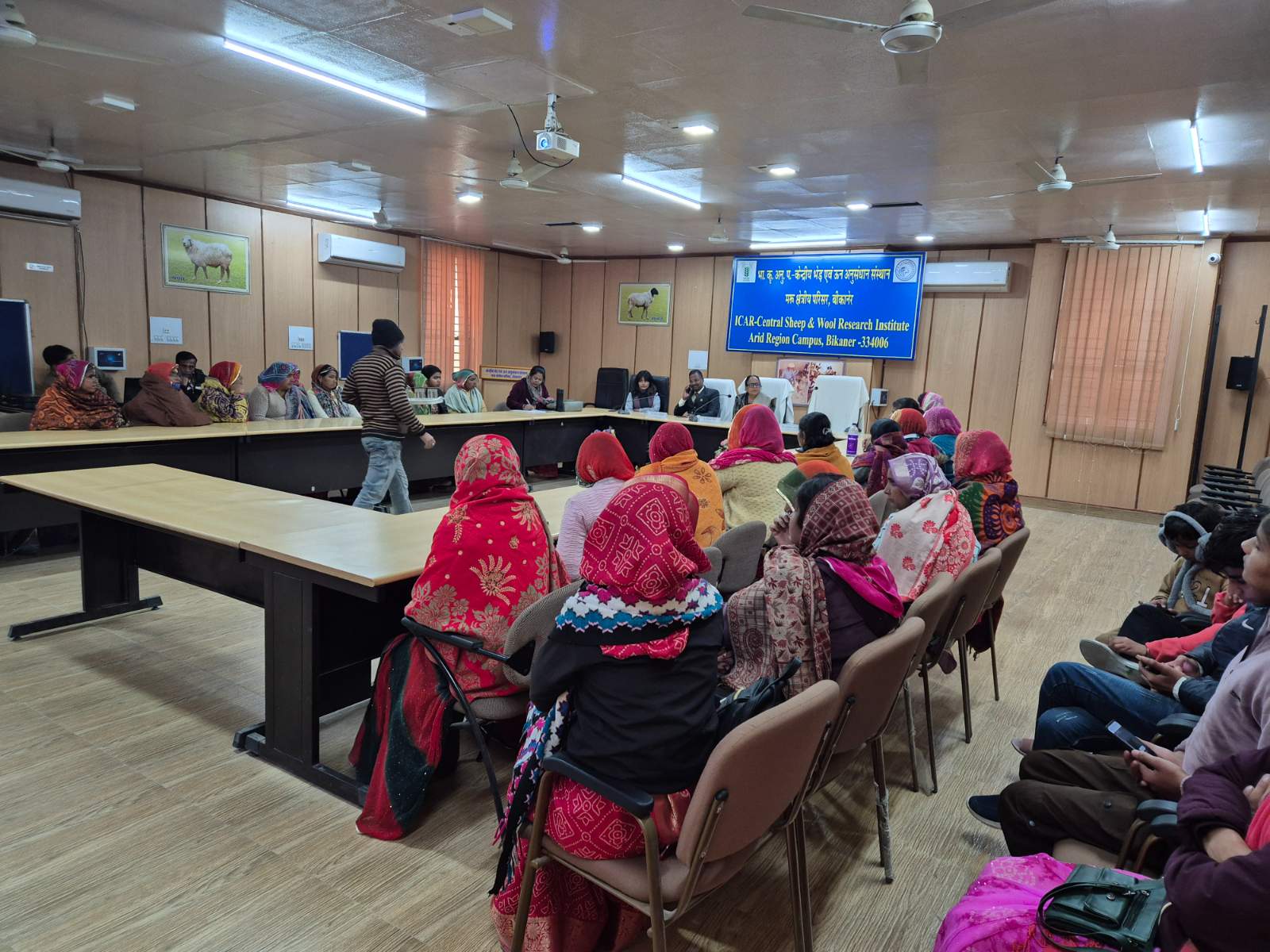
Shree Guru Jambeshwar Sewa Sansthan (SGJSS) is a registered non-profit society founded in 2007 and based in Jaipur, Rajasthan. For over 18 years, we have worked with smallholder and marginal farming families in the villages of Bikaner and Bharatpur. Inspired by the Bishnoi tradition, which emphasizes protecting trees, wildlife, and water, our work focuses on practical, community-led development. Our programmes cover sustainable agriculture and rural livelihoods, environmental conservation, women’s empowerment, rural health, and digital literacy. Volunteers work directly with our field team and community members, supporting activities based on local needs and seasonal priorities. Through hands-on participation, volunteers can gain meaningful experience while contributing to sustainable development in rural Rajasthan.
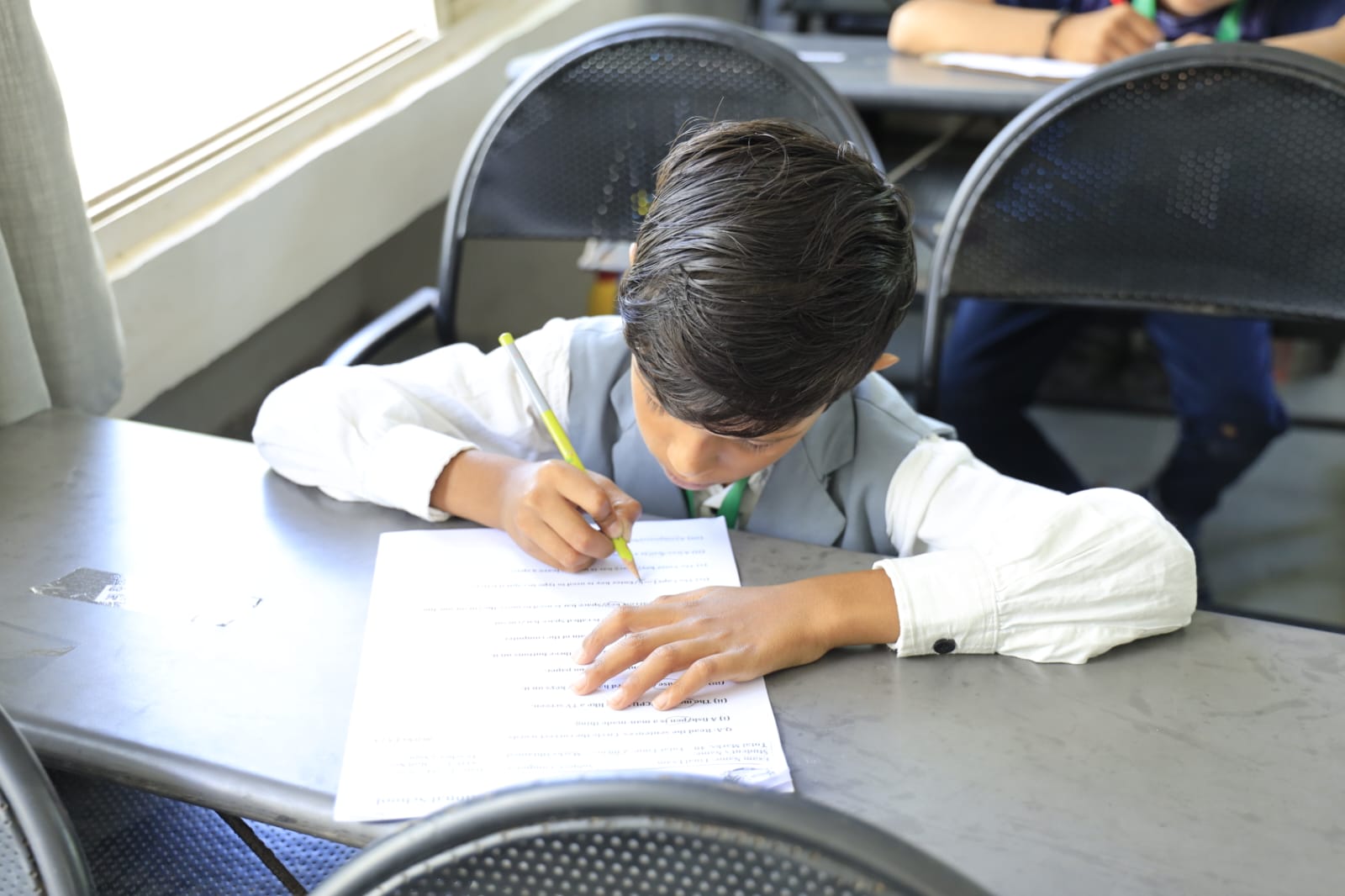
Shree Swaminarayan International School, Tajpur is an international school committed to combining academic excellence with the overall development of students. We provide a nurturing environment where students are encouraged to think creatively, develop responsibility, and reach their full potential. With modern infrastructure, well-equipped classrooms, experienced teachers, and a value-based approach to education, the school focuses on intellectual, physical, social, emotional, and spiritual development. Alongside academics, students participate in sports, cultural activities, leadership development, life-skills programmes, and character building. Inspired by the ideals of the Lord Shree Swaminarayan tradition, we promote discipline, integrity, compassion, respect, and a lifelong love of learning. We also welcome international volunteers, educators, and professionals to contribute through teaching, guest lectures, workshops, mentorship, and cultural exchange, giving students opportunities to learn from different experiences and perspectives while developing as confident global citizens.

Mission Learning is a volunteer-led organisation that brings together like-minded people from across India with a shared goal of creating positive change. We believe in helping people build brighter futures, with education serving as our primary channel for empowerment. Through meaningful volunteer opportunities and community initiatives, we work to inspire learning, spread hope, and bring smiles to the communities we serve.
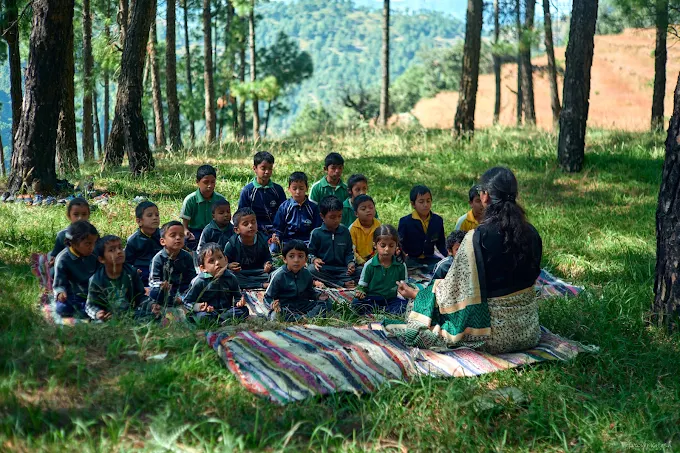
Our dream is simple: to help villages become places where people can build meaningful lives without having to leave their homes in search of opportunities. We believe that when education, traditional skills, sustainable livelihoods, and a strong sense of community come together, rural villages can thrive for generations. Over the years, that dream has grown into a living community. Today, Shri Timli brings together women artisans, farmers, children, educators, volunteers, and changemakers who share a common purpose—to preserve what is valuable from the past while creating opportunities for the future. Volunteers become part of this community, bringing new ideas, skills, stories, and perspectives while gaining experiences that cannot be found in guidebooks or tourist destinations. Every day is different because village life is wonderfully unpredictable. You might help local women weave handwoven shawls on traditional looms, plant vegetables, document village life through photography, teach English or digital skills, improve our website, or simply share conversations over chai with our neighbours. Life here is simple. We wake up to birdsong and mountain views, enjoy home-cooked meals prepared with local ingredients, work alongside villagers, and spend evenings sharing stories under clear Himalayan skies. There is no rush, no city noise, and very little distraction—just an opportunity to reconnect with nature, people, and yourself. Whether you're an artist, teacher, filmmaker, designer, engineer, gardener, writer, student, or simply someone curious about rural life, there is always a place for you here. You don't need to be highly skilled; what matters most is kindness, curiosity, and a willingness to learn.
Chandigarh, India
Teach students at our centre while supporting community initiatives, including clean-up campaigns, distribution drives, and other meaningful social impact activities.

BLESS is a longstanding development organization implementing impactful projects in rural development, women’s empowerment, education, and health. Guided by a mission to create inclusive and sustainable communities, we work closely with grassroots groups. Volunteers can expect structured field activities, community interaction, and meaningful learning experiences.