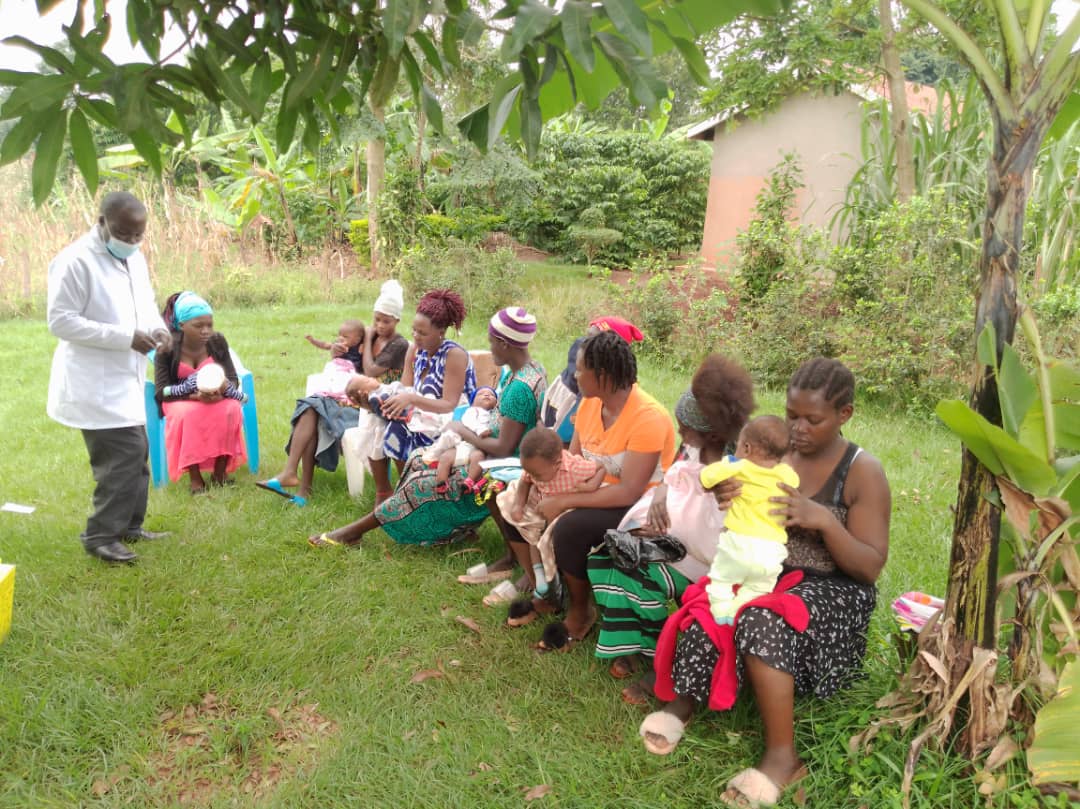

St. Dominic Health Care Services (SDHCS) is a community-based organization located in Njeru Municipality, Buikwe District, Uganda. Founded in 2012 and registered as a Community-Based Organization in 2014, SDHCS was established to respond to the healthcare challenges faced by vulnerable and underserved families in our community. Our mission is to provide accessible, affordable, and quality healthcare services to vulnerable communities, with a focus on maternal and child health, community health, disease prevention, and improved livelihoods. We believe that everyone deserves access to basic healthcare, dignity, and the opportunity to live a healthy life. Over the years, SDHCS has grown through community participation, local partnerships, dedicated staff, volunteers, and supporters. Our work includes maternal and child health, HIV/AIDS prevention and support, family planning, sexual and reproductive health, immunization, nutrition, health education, community outreach, and support for vulnerable children, young people, and older people. Our health facility provides services to families who may face financial and other barriers to accessing healthcare. We also take health education and other services into the community through outreach activities, helping people understand how they can prevent disease and improve their health. We welcome volunteers who want to learn, share their skills, and contribute to meaningful community work. Depending on their interests and qualifications, volunteers can support health education, community outreach, children's and youth activities, elderly support, administration, communications, fundraising, and other appropriate activities. At SDHCS, we value respect, teamwork, cultural exchange, learning, and service. We hope every volunteer will leave with a deeper understanding of community health in Uganda while knowing that their time and contribution have made a positive difference.
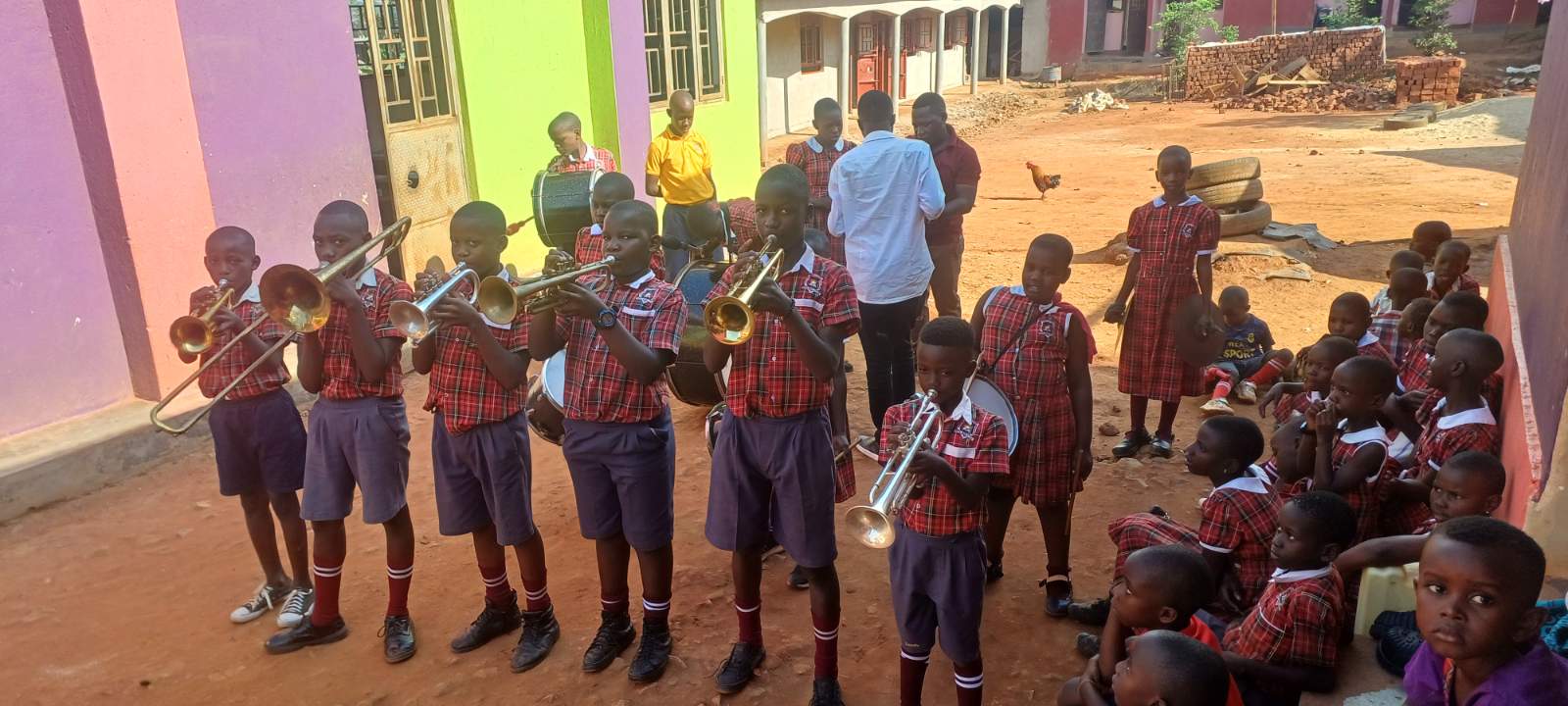
Mugalula community school was started to provide holistic education to the orphans and volunarable kids,the poor,disadvantaged and to bring hope to the hopelss To provide holistic care for.orphans and desitituted children enabling them to create positive and lasting change in their communities

Shepherd's House Childcare Ministries is a child-focused organization dedicated to giving hope to children from underprivileged families through education. Since 2014, we have operated Shepherd's House Junior School and Shepherd's House High School, providing quality education and support to children who might otherwise be unable to attend school. Our mission is to restore hope by ensuring every child has access to the education they deserve.

PHFU was born out of a ministry of preaching the word of God in prisons, hospitals and communities across various regions of Uganda. During the visits the founder realized many needed more spiritual courage only the word but also physical and emotional support plus practical support in order to build their lives. Many rural communities in Eastern Uganda suffer from illiteracy, poor health, violence, malnutrition, child abuse, neglect of the elderly and more. Through PHFU, we work to restore hope and dignity in communities using spiritual guidance, support systems and empowerment initiatives that bring lasting change. We exist to empower vulnerable communities by breaking the cycle of poverty, ignorance and disease. We do this by providing access to resources, support and opportunities, fostering sustainable change and better future. We are a Christian-founded organization, committed to discipleship and evangelism, supporting poor families, promoting economic development, protecting vulnerable individuals. encouraging hope among HIV-affected people. We also run skills like tailoring, health outreach and church based support groups and food security. Located in Namalemba Village, Kaliro District, our centre serves as a safe space where children, women, and elders come daily for learning, support, and fellowship. This organization has projects such as, education (The schools), health (Medical centers), discipleship (Churches), food security ( crop and animal farming) to deeply impact the community and provide .
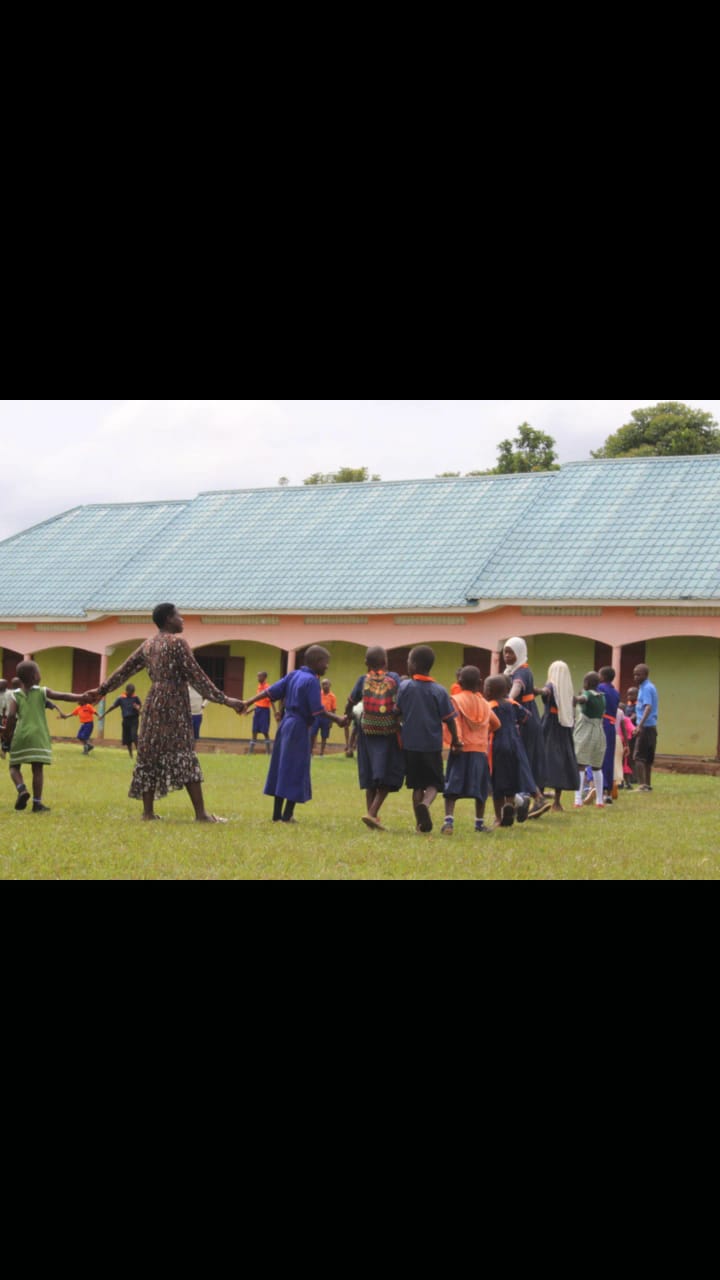
Friends of Uganda (FOU) was established in 1985 by Mavis and Ken Willand, Cate, and Philip from the United Kingdom after witnessing the impact of war and the growing HIV/AIDS crisis, which left many children orphaned and vulnerable. The organization was founded to support orphaned and child-headed households affected by loss of parents, stigma, and poverty. It began with 137 children and has since grown in response to increasing need. FOU provides holistic care including food, education, healthcare, and psychosocial support. The Children’s Centre at Muguluka was established after acquiring land, offering long-term support for orphans from primary school through university. Among the first group of foster children, 12 successfully completed university education.

Berean Community Hand of Faith Ltd is a faith-based, non-profit organization in Uganda focused on community support and Christian ministry. Founded in January 2025 and registered with the Uganda Registration Services Bureau, it aims to promote Christian living while supporting vulnerable groups, especially children in need such as orphans, abandoned children, children of incarcerated parents, and those with health or social challenges. We also support elderly people and caregivers, people with disabilities, and other vulnerable community members. Our work includes medical referrals, psychosocial support, education assistance, livelihood empowerment, community outreach, workshops, pastoral care, counseling, and elderly companionship. Volunteer Roles Volunteers may engage in: Children and community ministry (Bible stories, prayer groups, Sunday school, outreach) Mentoring and education support (tutoring, life skills, recreation activities) Community outreach programs and events Elderly care and companionship Administration support (data entry, communication, fundraising, sponsorship work) Expectations Volunteers work closely with local staff in hands-on roles, respecting local culture and adapting to a grassroots environment. Observation alone is not the focus—active participation is encouraged. Volunteers receive free accommodation, three daily meals (local food), and free internet access.

Our History Saint Ann Foundation was born out of a powerful personal journey and a legacy of compassion. Founded in 2017 by Abel Robert Ssekayombya, the organization grew from his own experience of being raised by his late Auntie Ann after losing his parents at a young age due to poverty and hardship. In gratitude for her care and driven by a deep desire to support others facing similar challenges, Abel established Saint Ann Foundation to continue her legacy of uplifting underprivileged children, girls, and women. Today, the Foundation is legally registered in Uganda as a Company Limited by Guarantee and an NGO under the NGO Act 2016, as well as a 501(c)(3) public charity in the United States (EIN: 83-0652651). It works across peri-urban and hard-to-reach rural communities to create opportunities for those most in need. Our Mission Saint Ann Foundation envisions a world where every child, girl, and woman is nurtured, empowered, and equipped to reach their full potential. Guided by the motto “Empowered children, girls, and women, transformed communities,” we coordinate and optimize resources that enhance the welfare of the underprivileged. Through a collaborative, grassroots approach, we implement education, skills development, health, and livelihood programs that build resilience and support sustainable community growth. What Volunteers Should Expect Volunteers joining Saint Ann Foundation become part of a caring and purpose-driven community that values meaningful engagement and mutual learning. You will work alongside local women, youth, and community leaders, supporting empowerment initiatives such as vocational skills training, enterprise development, mentorship workshops, and community outreach activities. Life here is authentic, immersive, and rich in cultural exchange, offering you not only the chance to serve but also to grow personally and professionally.