

🌎 **Travel with Purpose. Live Like a Local. Make an Impact.** Welcome to Impacta México, a Mexican nonprofit organization connecting international volunteers with meaningful cultural and educational experiences in the heart of Mexico. We believe that traveling is about more than visiting places. It's about connecting with people, sharing knowledge, discovering new perspectives, and becoming part of a community. Through our English Assistant Teacher Program, international volunteers support English learning in local educational institutions while experiencing everyday Mexican life. Located in Morelia, a beautiful UNESCO World Heritage city, our programs offer the opportunity to discover Mexico beyond the typical tourist experience. 🏡 **What makes the experience special?** ✨ Live in shared volunteer accommodation with other international participants. 📚 Support local teachers and help Mexican students develop their English communication skills. 🇲🇽 Discover Mexican traditions, food, festivals, and local communities. 🌮 Enjoy cultural activities and explore the incredible region of Michoacán. 🤝 Connect with local people and make international friendships. ❤️ Become part of a community where cultural exchange goes both ways. We welcome enthusiastic, open-minded individuals who want to contribute, learn, and experience Mexico from the inside. **You don't need to be a professional teacher. You just need a willingness to share, learn, and make a difference.** Come as a traveler. Leave with stories, friendships, and memories that will last a lifetime.


We are a small community school located in Tnol Trong Village, just 13 km from Siem Reap, Cambodia. The school is a registered non-profit NGO, founded in February 2013 by our family. Cambodia is experiencing strong growth in tourism, creating future job opportunities, especially around Siem Reap. For these children, English is essential. Our goal is to provide children from disadvantaged backgrounds with free English and Chinese education, helping them access better employment opportunities in the future. We currently offer free English classes to nearly 180 children from the Bakong community. Many families face challenges such as limited access to food, water, healthcare, and school-related costs like uniforms and fees. For many children, education is the only path to break the cycle of poverty and build a better future. We welcome volunteers to support us in giving these children better educational opportunities and brighter futures.


Adjah Cancer Support Ghana (ACSG) offers the ICT & Digital Skills Education Volunteer Program to help schoolchildren develop basic computer knowledge and digital literacy. Through partnerships with local schools in Ghana, volunteers support teachers in introducing students to technology and building essential skills for learning in an increasingly digital world. Volunteers may assist with basic computer operations, typing, word processing, internet safety, digital awareness, educational software, and introductory technology activities. Depending on the school's facilities and students' needs, volunteers may also support practical computer sessions, educational games, and group learning activities. This program welcomes international volunteers who have an interest in technology, education, and community service. Previous teaching experience is an advantage but not compulsory. Volunteers should have basic computer knowledge, patience, good communication skills, and a willingness to share their knowledge with students. Volunteers work under the guidance of local teachers and school staff, respecting the school's timetable, resources, and policies. The program also provides an opportunity to experience Ghanaian culture, interact with local communities, and exchange knowledge with students and educators. ACSG promotes responsible volunteering, meaningful cultural exchange, and community participation. All activities follow school rules and applicable child safeguarding requirements. Join us to help young learners build digital confidence and develop practical skills that can support their future education and opportunities.
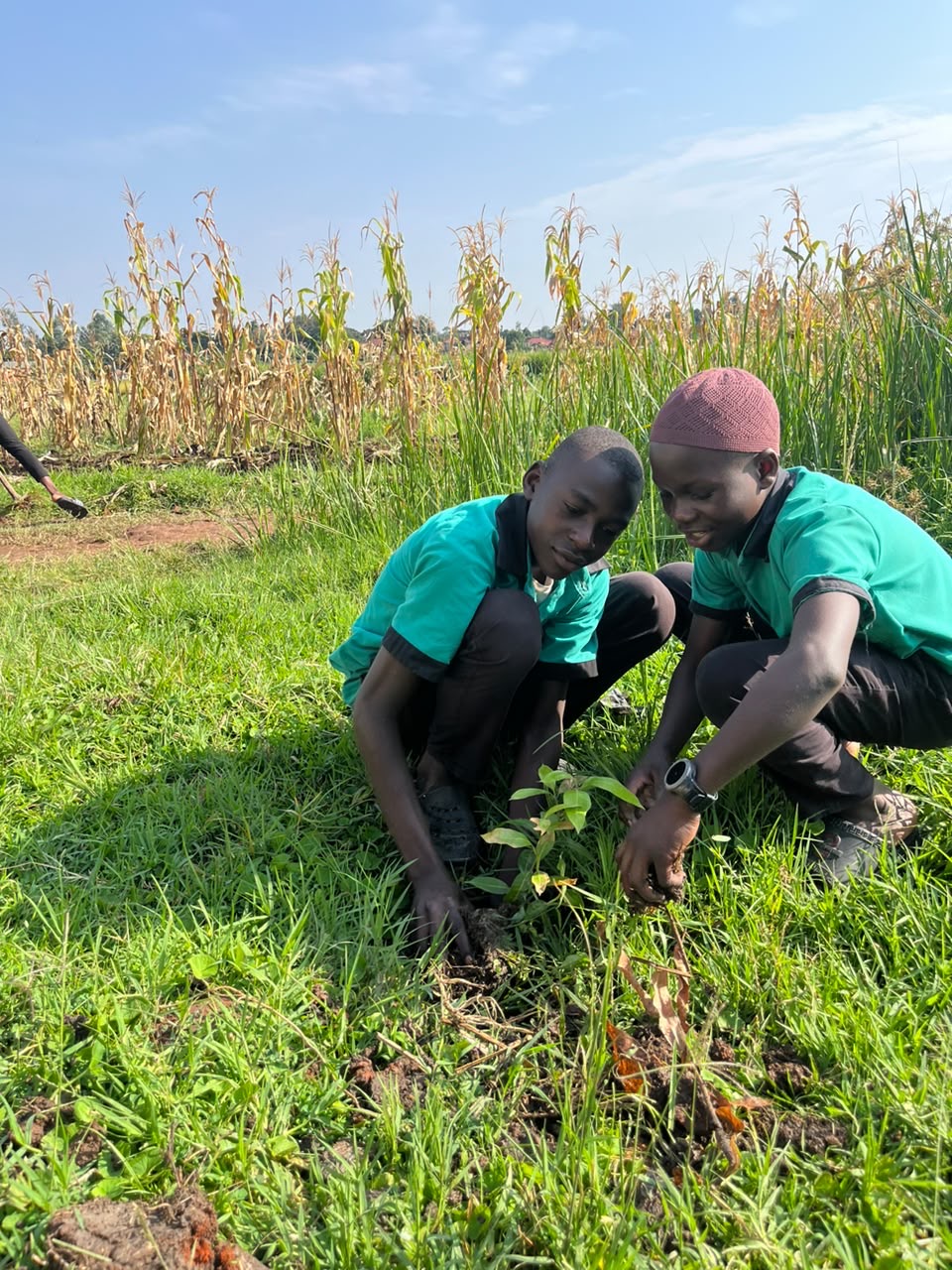

Restore Nature Uganda is a community-based environmental organization based in Uganda. Our mission is to restore degraded landscapes, combat climate change, and improve livelihoods through tree planting, environmental education, sustainable agriculture, and community empowerment. We work closely with schools, local communities, women, and young people to create greener and healthier environments. Volunteers become part of our daily activities, helping to plant trees, establish school gardens, teach environmental awareness, support community outreach, and assist with creative projects such as photography, social media, fundraising, and documentation. Life with us offers a genuine cultural exchange. Volunteers stay in a welcoming community, where they experience Ugandan culture, enjoy local food, and take part in everyday village life while making a meaningful contribution to environmental conservation.

Mission for Community Development (MCODE) is a Ugandan non-profit organization dedicated to improving the lives of marginalized children, women, and youth through education support, economic empowerment, and promoting environmental protection. The Organization works to empower vulnerable and marginalized communities, particularly women, youth, and children, through integrated programmes in livelihoods, health, education, and environmental conservation. MCODE's principal activities include promoting climate-smart and sustainable agriculture, vocational skills development, economic empowerment, health promotion through access to safe water and sanitation through Biosand Filter technology, educational support for vulnerable children, renewable energy and improved cookstove initiatives, biodiversity conservation, agroforestry, and community-based environmental stewardship. Through these interventions, the Organization seeks to build resilient, self-sustaining, and environmentally responsible communities that contribute to Uganda's national development priorities and the Sustainable Development Goals (SDGs). Mission:- Enhance the lives of marginalized children, youth, and women through education, economic empowerment, and environmental protection.


We are a marine conservation organisation with over a decade of hands-on experience protecting the reefs of Koh Tao. Our focus is to protect coral reefs through restoration, research, education, and community action. We train both divers and non-divers to take part in real conservation work, including coral restoration, reef monitoring, citizen science, internships, and environmental initiatives. We collaborate with local dive centres to promote a united, science-based approach to reef protection. As climate change and human impact continue to threaten marine ecosystems, our mission is to provide practical skills and real field experience that participants can apply beyond the program. Our projects focus on both natural and artificial reefs, collecting long-term data and actively supporting reef health improvement. Whether a beginner or experienced, everyone can get involved in meaningful marine conservation.


Zoorefugio Tarqui is a wildlife rescue center in the Ecuadorian Amazon, founded in 2008 to protect animals affected by illegal trafficking. The center provides care, rehabilitation, and safe housing for a variety of species, including monkeys, reptiles, felines, and birds, while promoting conservation and environmental awareness in the local community. Volunteers support daily tasks such as animal care, feeding, enclosure maintenance, and enrichment activities. The experience offers hands-on learning, cultural exchange, and the opportunity to live in nature while contributing directly to wildlife protection.

Volunteering India is a Jaipur‑based, non‑profit volunteer organization that connects caring individuals with grassroots projects in rural Rajasthan, focusing on environment protection, child education, healthcare and community development. All of us have heard much about saving Mother Earth through summits, speeches and articles, but real change begins when each of us says “Myself” and decides to act for the society we live in. Inspired by the saying “The journey of thousand miles begins with one step”, Volunteering India was started by a small group of people with a burning passion to improve the lives of the downtrodden and neglected around them. Their commitment to making a difference shaped what Volunteering India is today—a platform for volunteers from around the world to turn compassion into action.
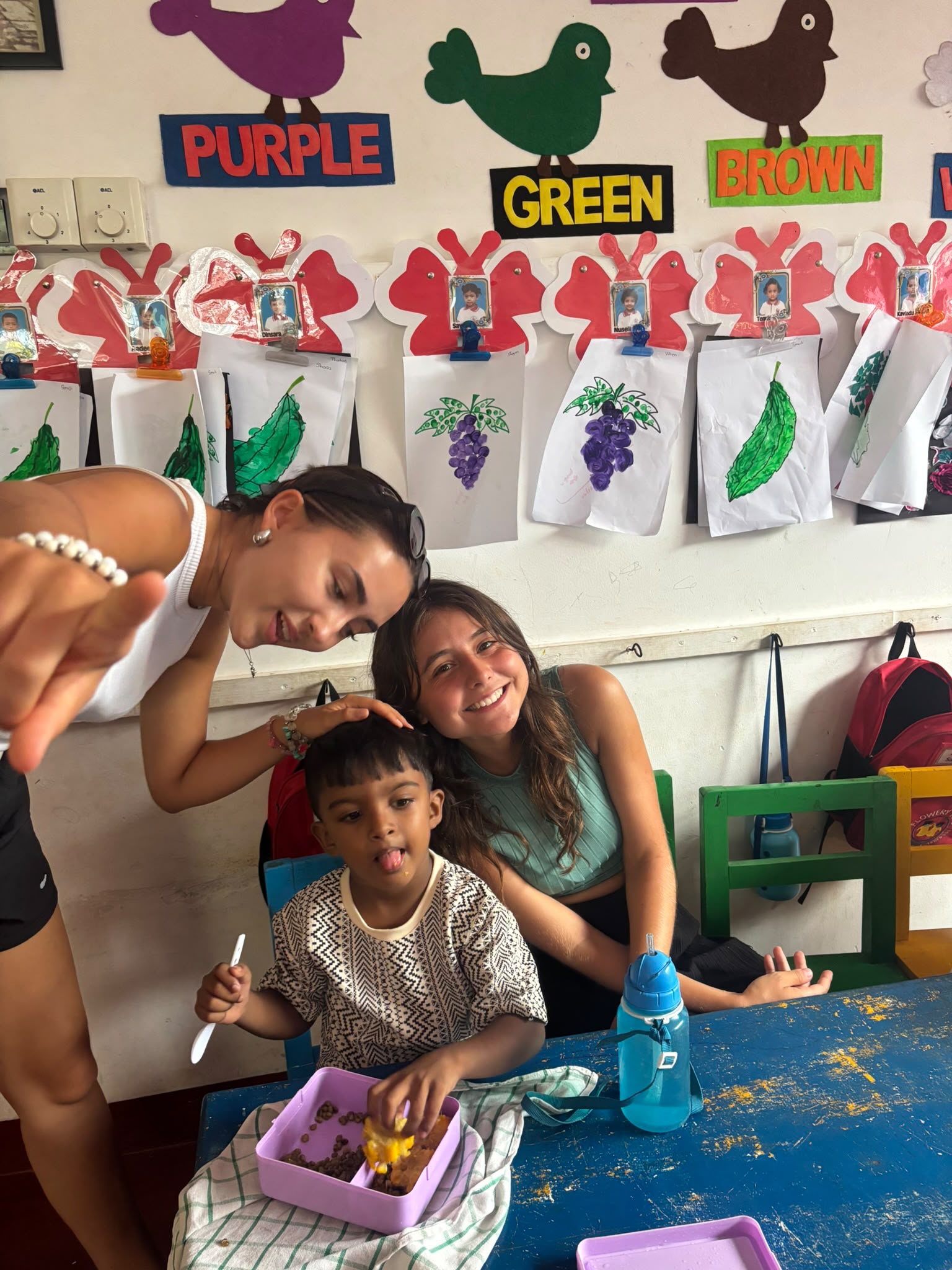

Our English Teaching Program gives international volunteers the opportunity to support children and young people in a local Sri Lankan community while experiencing everyday village life and culture. At Akuratatha, we believe that learning English can create valuable opportunities for children in the future. Many children in rural areas have limited opportunities to practise speaking English outside school. Volunteers can help make learning more enjoyable, practical, and confidence-building through friendly and interactive lessons. Volunteers do not need to be professional teachers. We welcome people who are patient, friendly, responsible, and enthusiastic about working with children. You can use your own ideas and skills to make lessons interesting through conversations, games, songs, storytelling, reading, drawing, educational activities, and simple sports or creative activities. The teaching environment is informal and supportive. Volunteers can work with children at different English levels and adapt activities according to their abilities. The main aim is to help children become more comfortable using English and to encourage them to communicate without being afraid of making mistakes. This program is also a cultural exchange. Volunteers will have the chance to meet local families, experience Sri Lankan village life, enjoy traditional Sri Lankan food, and learn about local customs and daily life. At the same time, children can learn about different countries and cultures from their international volunteers. Akuratatha is a simple, family-based organisation, and we personally welcome our volunteers and support them during their stay. Volunteers become part of our community rather than simply attending a placement. During your free time, you can explore the beautiful southern coast of Sri Lanka, including Weligama, Mirissa, Ahangama, Matara, and Galle. You can enjoy swimming, surfing, diving, beaches, local markets, cultural sites, and wildlife safaris.


Reef Buddy Philippines is a registered non-profit organization based in Dauin, Negros Oriental, dedicated to protecting marine ecosystems and empowering local communities. As the sister program of Caribbean Reef Buddy, we bring proven conservation models to the Philippines, combining scientific research, education, and hands-on volunteer engagement. Our mission is simple yet urgent: to safeguard coral reefs and coastal habitats while inspiring people to become active stewards of the ocean. Volunteers join us in meaningful projects such as reef monitoring, artificial reef construction, marine species surveys, and community outreach. Each activity is designed not only to generate valuable data but also to build awareness and resilience among local stakeholders. What sets Reef Buddy Philippines apart is our integrated approach. We collaborate closely with dive operators, schools, and barangays to ensure conservation efforts are practical, sustainable, and community-driven. Volunteers gain real-world experience in marine science and conservation while also immersing themselves in Filipino culture and the vibrant diving scene of Dauin and Apo Island. We believe conservation is most effective when it is inclusive. Whether you are a student, a diver, or simply passionate about the ocean, your contribution helps strengthen reef ecosystems and supports livelihoods that depend on healthy seas. By joining Reef Buddy Philippines, you become part of a global network of ocean advocates working to protect biodiversity for future generations. Together, we are building bridges between science, community, and adventure—proving that conservation can be impactful, educational, and deeply rewarding.
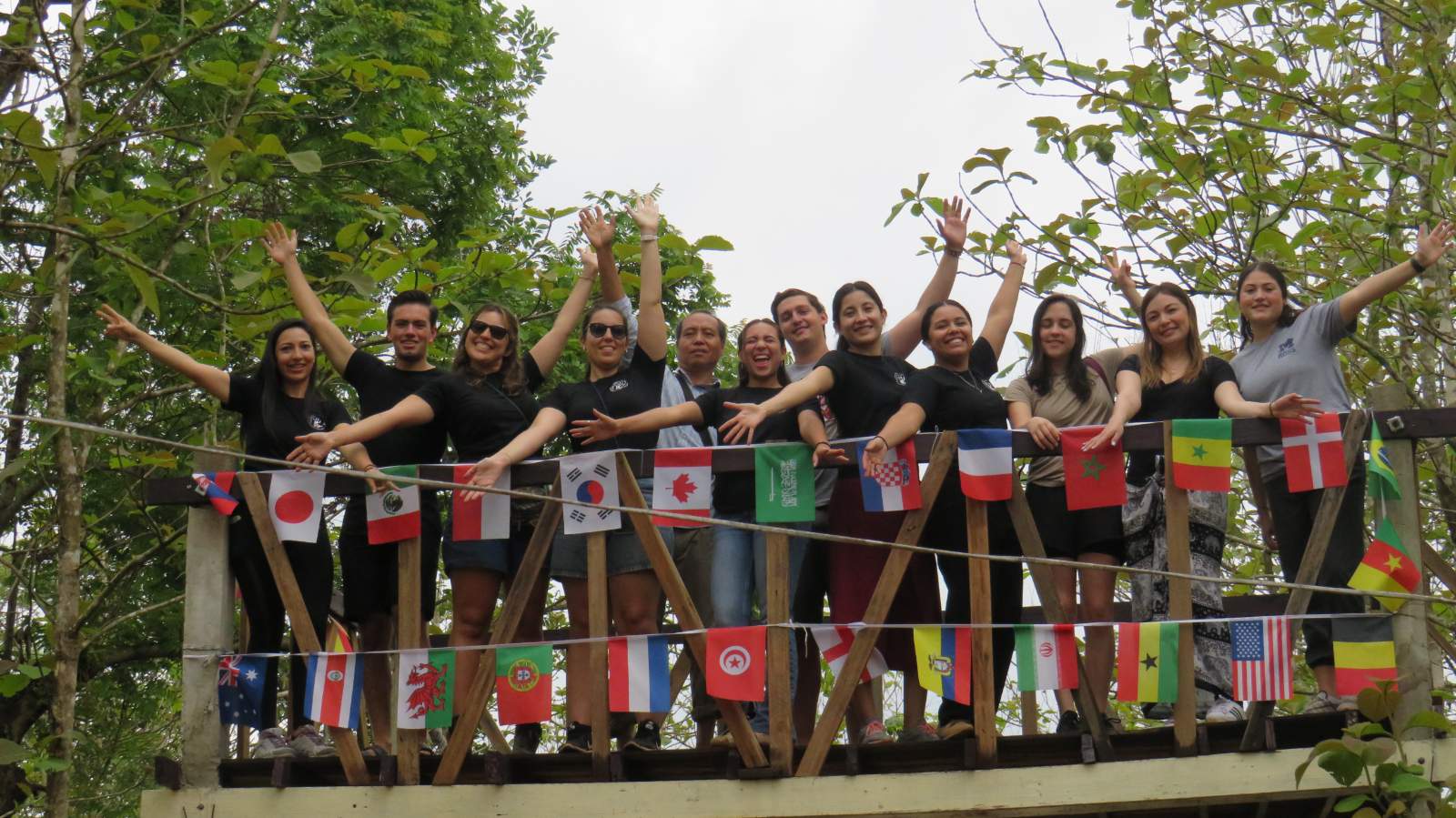
LDC is a small local NGO, founded in 1994, and has been serving civil society as a non-profit organization since then. In the past 30 years, LDC has been promoting and supporting many different alternative development projects among ethnic minority communities—HIV/AIDS prevention and care projects, illicit drug prevention and care projects, community development and empowerment projects, environment conservation projects, and poverty alleviation projects with very tight support. LDC is registered with the Social Development and Human Security Ministry as a public interest organization. Currently, we are focusing on establishing a community service and sustainable development study center in Chiang Dao District, Chiang Mai Province. LDC has been hosting international volunteers from around the world since 2000, and most of the projects are completed with the help of volunteers. Volunteers have been LDC's main support since 2000. LDC works at the grassroots level with different local people in different projects.


My name is Musa Mwawalo, and I am a teacher and community-minded person from Mkwajuni, Songwe, Tanzania. I help lead Cacilia Pre and Primary School, a local school dedicated to giving children access to quality education, care, and opportunities to build a better future. - Our Story: Cacilia School began with a simple but meaningful dream: to create a welcoming place where children can learn, grow, build confidence, discover their talents, and dream big. Our school is part of the local community, and we work together with dedicated teachers, parents, and community members who believe that education can create positive change. - Our Mission: Our mission is to provide a safe, supportive, and inspiring learning environment where every child is encouraged to develop academically, socially, and personally. We want children to gain knowledge, confidence, good values, and skills that will help them become responsible members of their community. - Why We Welcome Volunteers: We believe volunteering should be a two-way experience. Volunteers can support our children through teaching, English practice, sports, creative activities, games, arts, cultural activities, and sharing their own knowledge and skills. At the same time, volunteers have the opportunity to learn from our teachers, children, families, and community. - Cultural Exchange: We welcome volunteers as friends and members of our community. You can experience authentic Tanzanian life, learn about local traditions, food, language, family life, and community values while sharing your own culture and experiences with us. By joining Cacilia School, you are not simply visiting Tanzania—you are becoming part of a community. Your time, skills, kindness, and ideas can contribute to children's education and help them grow, learn, and dream big. We believe that when people from different backgrounds come together with respect, friendship, and an open heart, everyone has something valuable to offer.


Partners For Conservation is a Rwanda-based non-profit organization working to promote biodiversity conservation while improving the well-being and resilience of communities living around important ecosystems and protected areas. The Education Supporter program provides volunteers with an opportunity to share knowledge, skills and practical experience with local communities, children, students and other learners. PFC believes that education and skills development can strengthen people's ability to participate in conservation, improve livelihoods and contribute to healthier and more sustainable communities. The program is based on the principle that effective conservation benefits from combining local knowledge and experience with appropriate scientific and practical knowledge. Volunteers therefore support learning and awareness activities that respond to locally identified needs. Depending on their interests, skills and experience, volunteers may support adult literacy, financial literacy, language learning, communication and information technology, gender equality and human rights awareness, water, sanitation and hygiene, public health, sexual and reproductive health education, tourism and hospitality, tour guiding, vocational skills, sewing and fashion design, music, or environmental and conservation education. Volunteers may also assist in kindergartens, primary and secondary schools, vocational institutions, universities and community learning settings. Activities are agreed with PFC and the host community to ensure that they are relevant, appropriate and beneficial to participants. The program offers volunteers a meaningful opportunity to exchange knowledge, learn from local communities and contribute to education, conservation and community development in Rwanda.


Nature Conservation and Study Centre (NCSC) is a grassroots non-profit that works with local communities in Nepal for conservation. Our work mostly involves working with community forest user groups, local government, schools, and stakeholders to conduct wildlife monitoring and outreach programs. We also conduct scientific research to generate high-quality scientific data to evaluate the status and trend of wildlife in our project area. Our main goal is to build resilient and empowered communities who can lead conservation projects on their own.
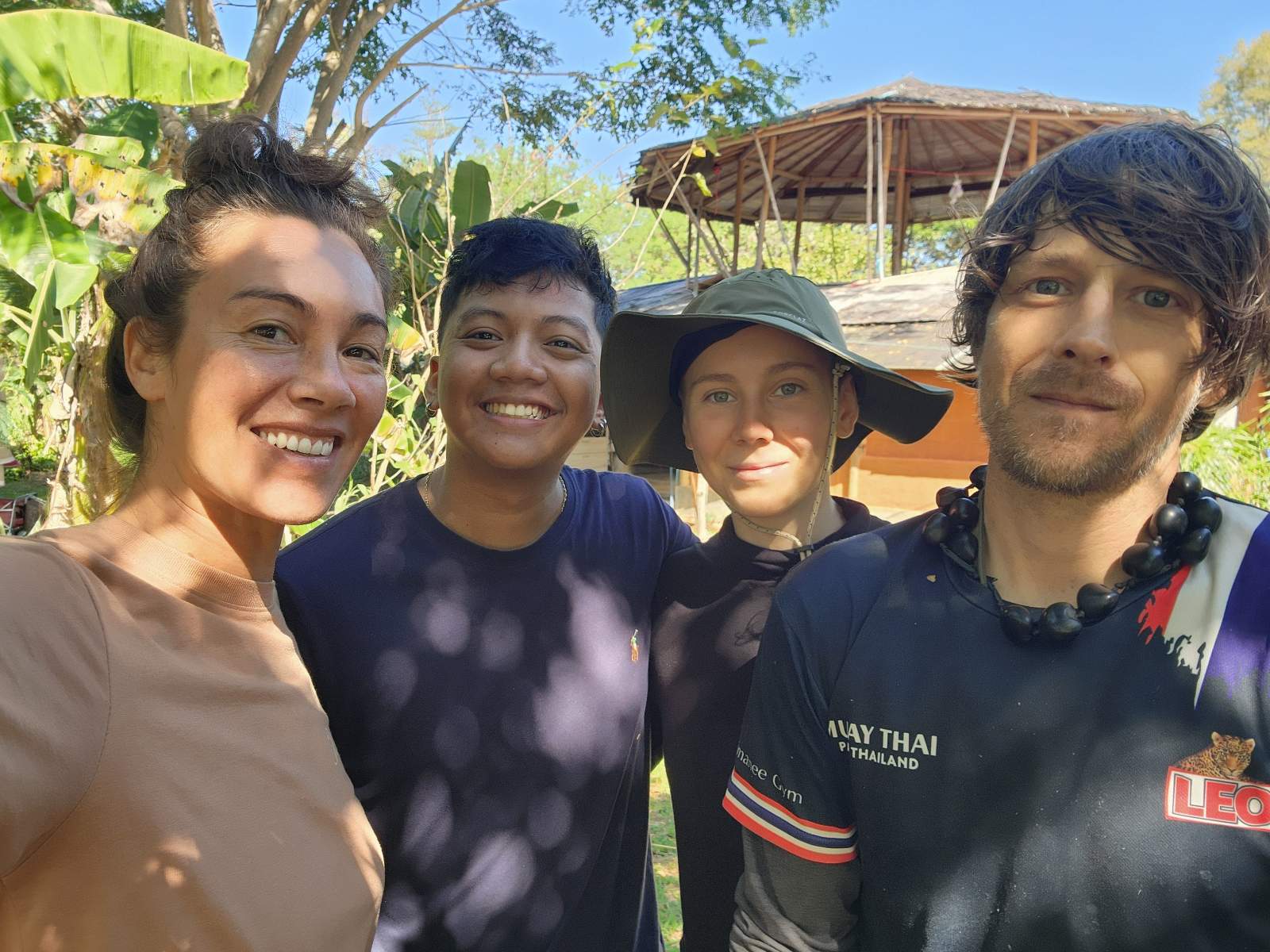
A Playground for Self-Reliance Projects, Healthy Lifestyles & Environmental Education. At Pai Seedlings Foundation, our mission is to cultivate a lifestyle that honors sustainability, regeneration, and our intimate connection with nature. Achieving this vision demands a dual focus: nurturing individual skills and mindset while fostering collective empowerment. This philosophy guides our two primary projects, each embodying a distinct facet of our ethos. The Education Farm serves as our vibrant hub for personal growth and sustainable living. Here, we delve into a myriad of skills—from natural construction to soil rejuvenation, bio-composting to low-tech solutions. It’s a playground of discovery, a sanctuary of learning, where we support each and every one’s capacity to live more fulfilling, meaningful, and contributing life. The Regenerative Farmers Cooperative Project embodies our shared vision for collective action—a vision of building community capacity to forge resilient and nourishing food systems, both for ourselves and for the planet. Our investment spans various fronts, including material resources, comprehensive training and education, debt alleviation, and business development initiatives. Collaborating closely with the Karen Village of Muang Noi in Amphoe Pai, we are sowing the seeds of the Pai organic network, cultivating a sustainable future rooted in community empowerment and environmental stewardship.
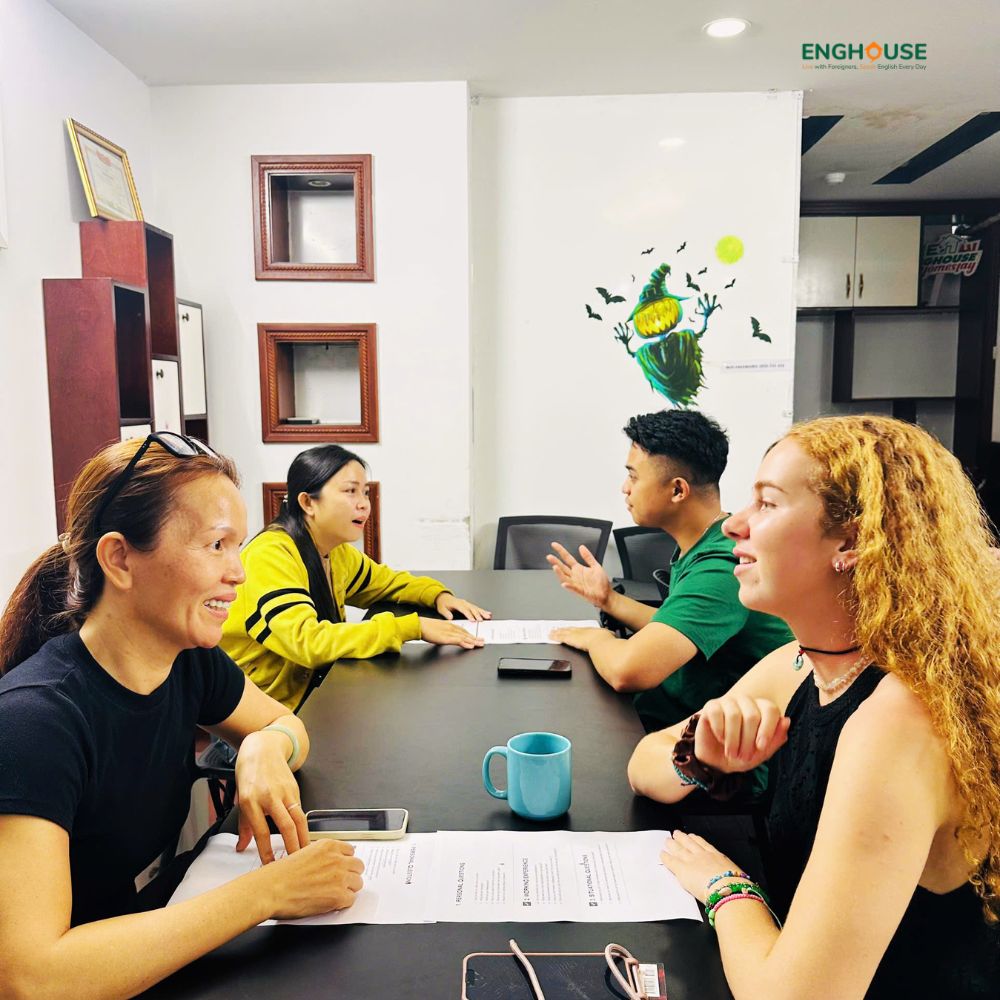

Enghouse English Homestay is a shared-living community in Vietnam where Vietnamese members and international volunteers live, communicate, and learn from one another. Our community was created to give Vietnamese students and young professionals a friendly environment in which they can become more confident using English in everyday life. Instead of focusing only on textbooks and formal lessons, we encourage natural communication through conversations, games, cultural discussions, shared meals, and community activities. International volunteers become part of the Enghouse community rather than working as formal teachers. They share their language, culture, and experiences while also learning about Vietnamese traditions, food, and daily life from our local members. No teaching qualification is required, and volunteers are not expected to follow a formal curriculum or prepare academic lessons. Our team helps organise the schedule and participates in the activities. We welcome volunteers’ ideas for conversation topics, games, cooking sessions, cultural presentations, and other interactive activities that allow everyone to learn together. Enghouse currently has locations in Hanoi and Ho Chi Minh City. Each volunteer stays at one agreed location, which will be confirmed before arrival. Our goal is to build an open, respectful, and multicultural home where local members and international visitors can develop genuine friendships and broaden their understanding of the world.
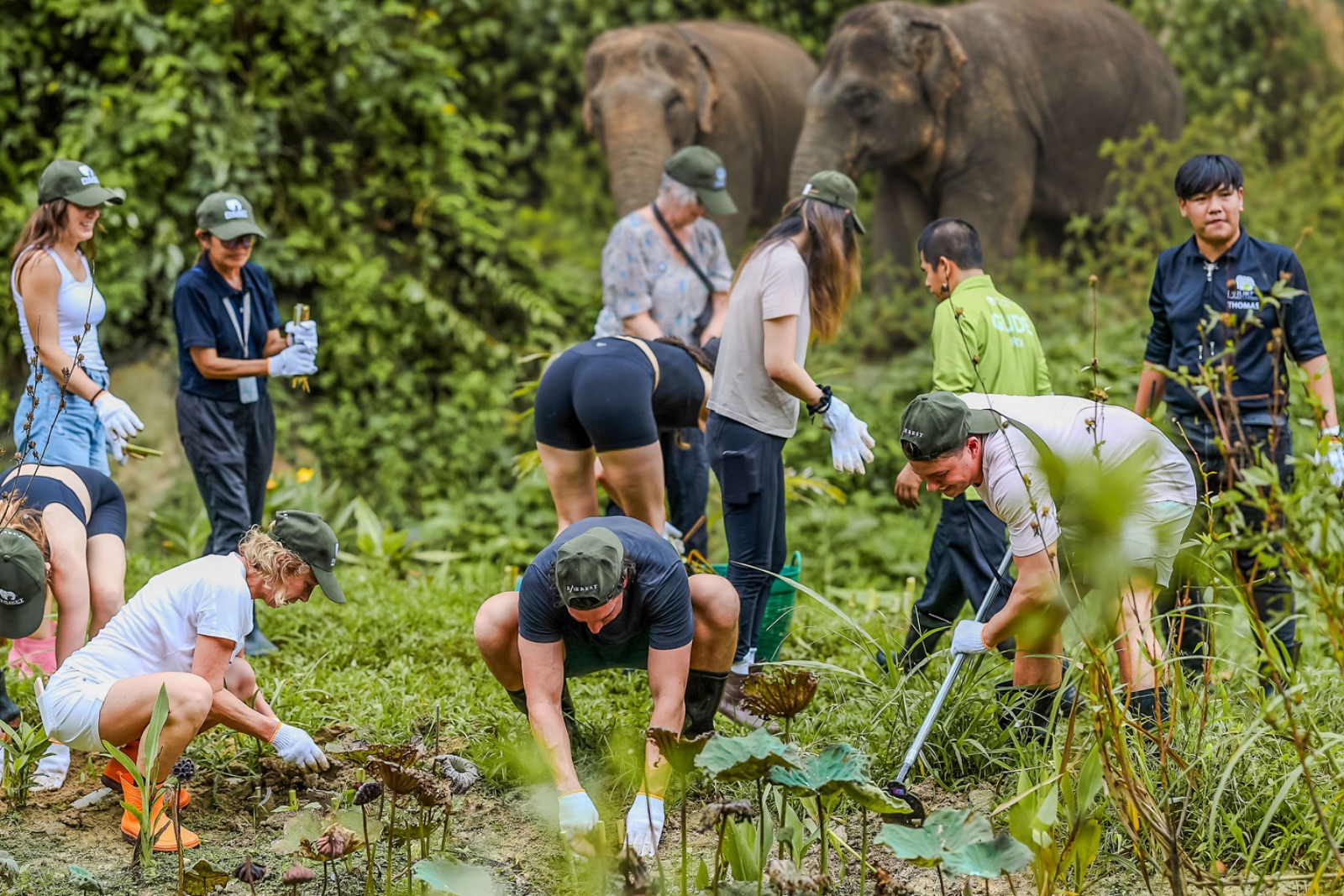
Phuket Elephant Sanctuary was founded in 2016 by Montri Todtane, a local from Paklok in Northeast Phuket. After more than a decade working with elephants in traditional tourism, Montri witnessed firsthand the physical and emotional impact that riding, performances, and demanding working conditions could have on elephants. Inspired by elephant conservationist Lek Chailert, he decided there had to be a better way. He closed his former elephant camp and opened Phuket’s first ethical elephant sanctuary: a place where rescued elephants can finally retire and simply be elephants. Today, our sanctuary covers 30 acres of tropical jungle bordering Khao Phra Thaeo National Park. Since opening, we have provided a home to more than 20 elephants rescued from tourism, riding camps, shows, and the logging industry. Here, elephants are given the space and freedom to roam, forage, socialize, and bathe on their own terms. Our mission is simple: to let elephants be elephants. Since April 2026, Phuket Elephant Sanctuary has become completely hands-off. There is no touching, bathing, or feeding with visitors. Instead, we believe meaningful experiences come from respectfully observing elephants behaving naturally and learning about their individual stories, welfare, and conservation. Over the years, we have continued to grow, opening Thailand’s longest canopy walkway in 2020 and Phuket’s first dedicated elephant hospital in 2025, supporting elephants in need across Southern Thailand. Volunteers become part of this ongoing story. Rather than interacting directly with elephants, you work behind the scenes alongside our team, helping with practical tasks such as preparing supplementary food, harvesting elephant food, maintaining the sanctuary, cleaning night shelters, composting elephant dung, and supporting other projects depending on what is needed at the time. By volunteering with us, you support rescued elephants and help promote a more ethical and respectful future for elephants.
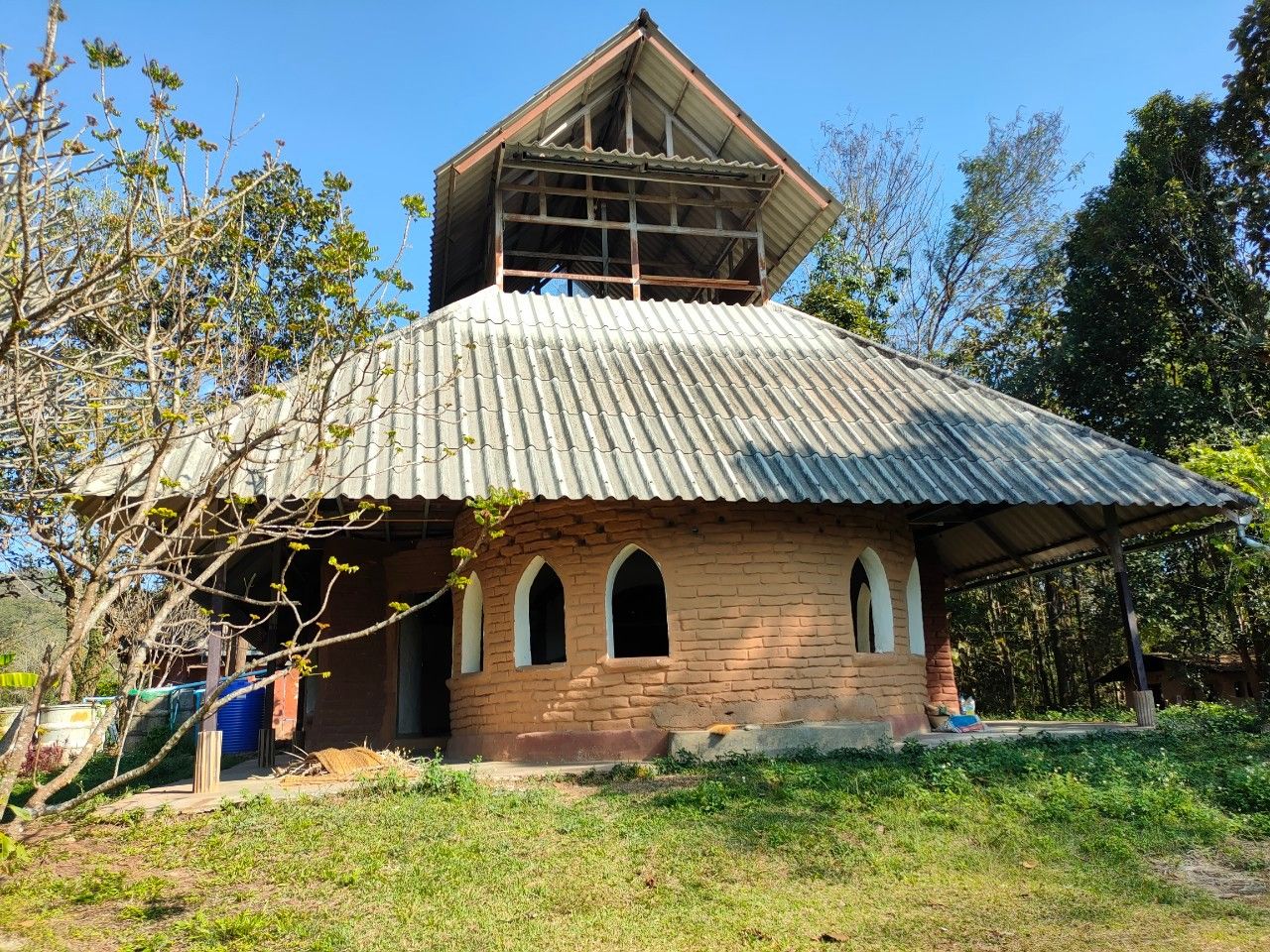
Pun Pun is an organic farm and learning centre that began working with the land around 2004. Through organic farming and sustainable practices, we have transformed land that was once used for corn plantations into a thriving, biodiverse organic farm. Today, Pun Pun is home to a community of around 15–20 people who live, farm, and build together while raising their families. It is a place for learning, community living, sustainable agriculture, and connection with nature.
Established in 2011, Give Me Trees is a non-profit organisation actively working towards afforestation, biodiversity conservation, ecological restoration, environmental education, and providing livelihoods to local communities. Registered as a trust in 2011 under the Indian Trusts Act, 1882, Give Me Trees Trust is now one of the largest tree-planting organisations in India. With the invaluable support of 18,600 volunteers from around the world, we have successfully planted over 2.64 crore trees to date. The founder, Swami Prem Parivartan, also known as Peepal Baba, has personally planted more than 1.27 crore Peepal trees across India.
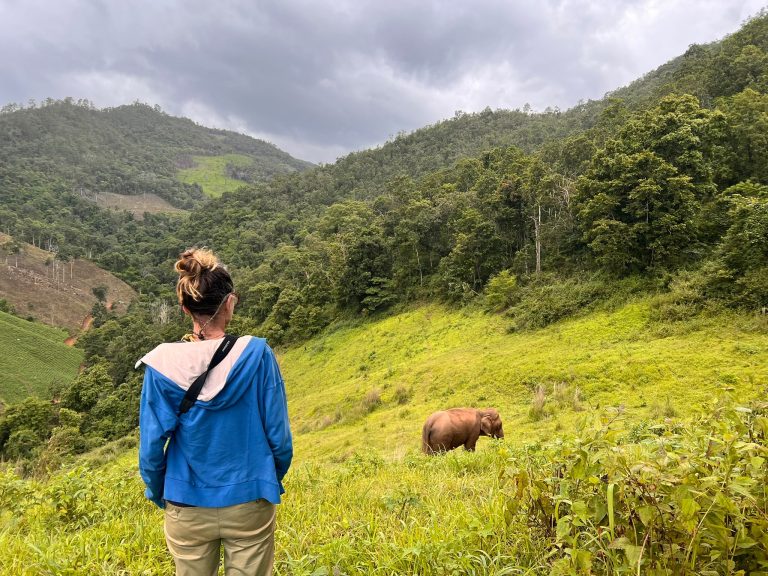
Kindred Spirit Elephant Sanctuary (KSES) is a non-profit foundation working alongside Karen communities in Northern Thailand to support elephant welfare, sustainable livelihoods and the protection of the forests they depend on. Our elephants live in the forest, where they are able to move, forage, socialise and rest according to their own rhythms. Our approach prioritises autonomy, space and natural behaviour. Visitors do not touch, feed, bathe or ride the elephants. Instead, they hike through the forest and observe them from a respectful distance, learning to appreciate elephants as individuals with their own needs, relationships and behaviours. Alongside our elephant welfare work, we contribute to behavioural research, community initiatives, environmental projects and education. We work closely with the local Karen community, recognising and valuing the knowledge, experience and long-standing relationships that exist within the community. Our work is based on collaboration, with initiatives developed alongside the people who live and work here. KSES is a small organisation, and collaboration is at the heart of what we do. Our visitors, interns, mahouts, community members, researchers and partner organisations all contribute to the work we share: supporting elephant welfare, community life and the forest environment in ways that are respectful of the people and place at the heart of KSES.