

We strive to spread environmental awareness and promote a regenerative lifestyle through impactful eco-friendly, circular practices.


We are a marine conservation organisation with over a decade of hands-on experience protecting the reefs of Koh Tao. Our focus is to protect coral reefs through restoration, research, education, and community action. We train both divers and non-divers to take part in real conservation work, including coral restoration, reef monitoring, citizen science, internships, and environmental initiatives. We collaborate with local dive centres to promote a united, science-based approach to reef protection. As climate change and human impact continue to threaten marine ecosystems, our mission is to provide practical skills and real field experience that participants can apply beyond the program. Our projects focus on both natural and artificial reefs, collecting long-term data and actively supporting reef health improvement. Whether beginner or experienced, everyone can get involved in meaningful marine conservation.


Ssamba Foundation is a hybrid social enterprise based in Uganda, founded in 2006 by Rtn. Isaac Ssamba. We are dedicated to supporting community-led development through ethical and responsible volunteer programs. We partner with local communities, schools, clinics, and organizations to deliver sustainable impact in education, health, agriculture, and water & sanitation. Our mission is to connect global volunteers with local needs in a way that respects community ownership, promotes dignity, and supports long-term development. We believe volunteering should be transparent, responsible, and locally driven, not a replacement for local expertise. What We Do: We offer volunteer programs in four core areas: Education: Supporting literacy, youth engagement, and classroom learning through supervised placements Health: Promoting hygiene, nutrition, and community health education with local clinics Agriculture: Supporting sustainable farming, community gardens, and food security initiatives Water & Sanitation: Promoting WASH education, hygiene awareness, and community water management Who We Serve: Our programs are open to gap-year students, university groups, service-learning programs, professionals and skilled volunteers, families, faith groups, and travelers aged 30–50.


We have committed ourselves to working with the community by supporting children and bringing volunteers from around the world to teach different subjects in primary schools. Our mission is to address socioeconomic challenges and promote quality education.


Bali offers several eco-tourism and conservation programs focused on marine ecosystems, including sea turtle conservation, coral reef restoration, and mangrove rehabilitation. These marine camps are typically immersive volunteer or educational experiences run in collaboration with local communities in Bali. The programs combine hands-on activities with environmental education and are designed for volunteers, students, groups, and eco-tourists. Sea Turtle Conservation: Volunteers work closely with turtle conservation activities, including monitoring nesting beaches, collecting data for conservation methods, observing feeding grounds, and assisting in the care of injured turtles in rehabilitation centers. Coral Reef Protection: Coral reefs play a vital role in marine ecosystems, providing habitat for fish and crustaceans. Activities include reef cleaning, coral restoration, reef monitoring, and supporting coral planting programs while helping protect reefs from pollution. Mangrove Ecosystems: Mangroves are essential coastal ecosystems that support biodiversity, produce oxygen, and filter air and water. Volunteer activities include mangrove planting, biodiversity monitoring, and education on their role in coastal protection.

Ecotourism Nusa Penida was created by our conservation community, Nuansa Pulau, which has been committed to protecting the environment since 2017. Since then, we have planted more than 95,000 corals. We actively rehabilitate coral reefs and mangrove forests, preserve traditional seaweed farming practices, and work toward a sustainable future for the island while educating the next generation.


Hirwa Children’s Foundation is a community-based non-profit organization located in Kayonza District, Eastern Province of Rwanda. It was established to support vulnerable children and families by improving access to education, healthcare, and sustainable livelihood opportunities. Our work is based on community participation, local ownership, and long-term impact. We run programs focused on children’s education support, adult literacy, health awareness, and economic empowerment for vulnerable families. Through close collaboration with community members, local leaders, and volunteers, we address daily challenges while promoting dignity, self-reliance, and social responsibility. By welcoming volunteers from around the world, Hirwa Children’s Foundation promotes meaningful cultural exchange and shared learning. Volunteers contribute their skills while gaining a deeper understanding of rural life in Rwanda, helping communities move from hardship toward a more sustainable future.

The Bali Volunteer Program offers a meaningful opportunity to support local children while experiencing authentic Balinese village life. Based in the coastal village of Seraya in East Bali, the program focuses on improving children’s English skills through fun, interactive, and engaging learning activities that encourage confidence and participation. Volunteers work closely with local schools and community members, delivering informal English lessons using games, songs, arts and crafts, storytelling, and outdoor activities. Rather than formal classroom teaching, the focus is on creating a positive learning environment where children feel comfortable using English in everyday situations. In addition to volunteering, the program includes cultural experiences such as making traditional offerings, joining Balinese cooking classes, and learning about local customs. This allows volunteers to move beyond tourist areas, connect with the community, and gain a deeper understanding of Balinese traditions and daily life.


TWESA is a registered Community Based Organisation (CBO) working in Karonga District in northern Malawi. Established on 1st December 2015, TWESA aims to positively impact the community by promoting a healthy, educated, and gender-balanced society. To achieve sustainable community development in Karonga, TWESA works in five key thematic areas: Women and Youth Empowerment: Training in income-generating activities and encouraging participation in decision-making processes. Climate Change and Sustainable Agriculture: Tree planting, promotion of improved cooking stoves, briquette production from rice husks, organic farming techniques, and environmental awareness. Water, Sanitation and Hygiene (WASH): Hygiene training, waste collection activities, construction of public toilets, and awareness of clean environment practices. HIV/AIDS and Nutrition: Education and awareness on HIV/AIDS prevention and the importance of healthy nutrition. Good Governance and Education: Supporting access to education for underprivileged children and managing pen-pal schemes to improve communication, cultural awareness, and language skills.

Eco Hero Conservation is a marine research and conservation program based in Nusa Penida, Indonesia, that trains and educates divers in the conservation of marine megafauna. We are always looking for marine enthusiasts to join our research diver training program and research team. This conservation program builds on the experience and expertise of volunteers from around the world. Coral reefs are essential to both human and marine life. They provide habitat for a wide variety of species and protect coastlines from erosion and storms. However, reefs are under severe threat from human activities such as irresponsible fishing, pollution, and climate change. Conservation is therefore essential, including keeping coastlines clean, preventing erosion, practicing sustainable fishing, avoiding coral damage, involving local communities, improving management capacity, and rehabilitating damaged reefs. We believe true conservation lies in allowing nature to function with minimal human interference. However, human activities such as plastic pollution, overfishing, and destructive practices disrupt this balance. As our work is ocean-based, we combine marine activities with ecological education. Participants may join a divemaster internship with marine ecology specialties, contributing to daily data collection on manta rays, turtles, and fish, learning about corals, and participating in coral propagation programs. We also organize beach and reef cleanups, awareness activities, and community support such as teaching English to local children. The internship includes training, materials, instructor support, and certification. Accommodation and lunch are provided on ocean training and research days.

We’re a small, youth-led team passionate about education, nature, and community development. Our staff come from local villages and nearby towns, and many are teachers, beekeepers, conservationists, scuba divers, or university students who grew up in the area and now want to help protect it. We work closely with community members, parents, and local leaders to ensure every backpacker feels welcomed and supported. Backpackers can expect to be treated like part of the family. From the moment you arrive, we help you settle into your cabin, introduce you to local customs, and guide you through activities at a comfortable pace. We are friendly, patient, and always ready to help—whether you need support with teaching, coral reef activities, travel guidance, understanding the culture, or simply learning how to open a coconut. We believe in mutual respect: We listen to your ideas. We support your learning. We regularly check in to make sure you feel safe, included, and valued. We share meals, laughter, and local stories just as we do with long-time friends. We also encourage cultural exchange, where backpackers can share their own skills, traditions, and experiences with the community. Many participants form lasting friendships and return in the future, continuing to support local initiatives in different ways. Our goal is to make you feel at home—not as a guest, but as a meaningful part of our community and the impact we create together.


Nui Tuong focuses on community upliftment in rural Vietnam through education, vocational training, eco-tourism, and sustainable farming. Visitors can enjoy accommodation, food, and tours while learning about sustainable agriculture and healthy lifestyles. These efforts benefit both locals and visitors.


Association of Cambodia Child First (ACCF) is a Cambodian non-governmental organization working for the common good of society, focusing on the education of children and support for thousands of families in Bakong District. Established in 2014, ACCF has since supported an average of 100 children and thousands of the poorest families. ACCF provides free full-time English and Chinese classes five days a week, along with essential learning materials, including notebooks, textbooks, school bags, shoes, and pens. The program also offers monthly breakfasts to around 220 children to support their daily well-being and learning. The project is based in Steong Village, Bakong Commune, Bakong District, Siem Reap Province, approximately 15 kilometers from Siem Reap town. Many families in this rural area face economic hardship, making access to education and basic school supplies difficult. ACCF has identified key challenges such as lack of uniforms, learning materials, food, and transportation to school. Some children are unable to attend school due to distance and financial barriers. To address this, the organization works closely with local authorities to identify vulnerable children and families and provide targeted support. Through outreach programs, the ACCF team visits families to assess needs and ensure children receive essential educational resources. This includes school supplies, food support, and learning opportunities, helping reduce dropout rates and improve access to education. ACCF believes that all children are the foundation and future of the nation, and works to ensure they have equal opportunities to learn and grow.

United Tansania e.V. is a German NGO, registered in 2021 and based in Tanzania. We study both hyena species: the striped hyena, classified as Near Threatened by the IUCN, and the spotted hyena, which is threatened by habitat loss, climate change, and human-wildlife conflict. To understand the drivers of sustainable carnivore survival outside protected areas, we work on mitigation solutions with communities that experience hyena conflicts. Due to their negative reputation and responsibility for livestock losses, hyenas are subject to high levels of persecution, including the use of snares. Our team, led by a veterinarian and supported by local trackers and camp staff, is committed to empowering local communities and conducting research on spotted and striped hyenas. Our long-term goals include developing effective strategies for carnivore conservation and improving animal health.
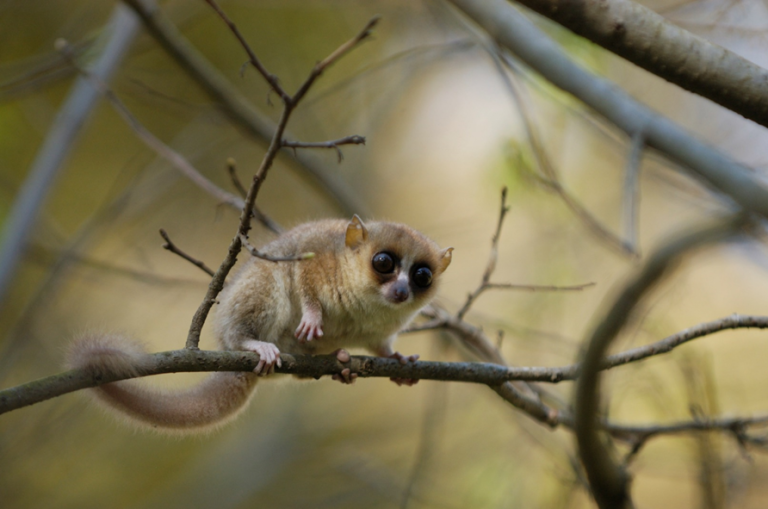

In 2010, Dr. Edward Louis, who has worked in Madagascar since 1998, established the Madagascar Biodiversity Partnership (MBP), a Malagasy non-governmental organization created to expand innovative conservation projects throughout the country. MBP is dedicated to protecting Madagascar’s unique forests and biodiversity while sustainably improving the quality of life for local communities that rely heavily on natural resources. Guided by the belief that “everything is connected,” or “Mampifandray ny tontolo,” MBP combines conservation, education, research, and community development to achieve long-term sustainability for both people and the environment. Through this volunteer program, MBP aims to support conservation research, community-based conservation, education, and outreach activities. Volunteers contribute to projects that help preserve the environment, support sustainable development, and strengthen local understanding of conservation challenges and solutions. MBP works closely with local communities to encourage environmental awareness, improve educational opportunities, and create empowerment initiatives that benefit residents living near conservation areas. Volunteers may assist with environmental education, research support, outreach programs, and other community-focused activities designed to create a lasting positive impact. The main project site is the Grewcock Ihofa Vohitsara Bioreserve (GIVB) in central-east Madagascar. This area is rich in biodiversity and provides volunteers with a unique opportunity to experience Madagascar’s natural beauty while contributing to meaningful conservation and community efforts.
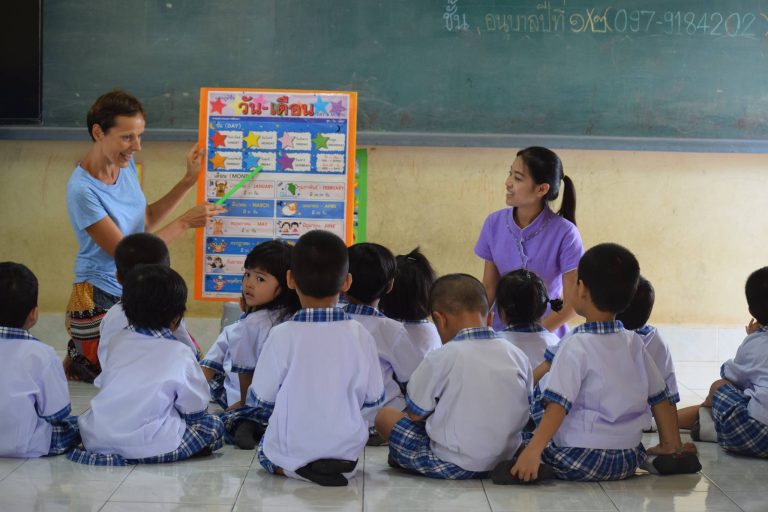
We are a public school teaching kindergarten, primary, and secondary pupils. We are based in Uttaradit, Thailand. We welcome volunteers and interns who would like to help us teach basic spoken English or Chinese (Mandarin) to our students.

Samaritan Volunteers is an NGO registered under the Non-Governmental Organizations Act with Registration Number 00NGO/R/2581. The organization is dedicated to supporting education for children from low-income families in the Chamazi community. It runs Samaritan School, which was founded in 2018 with the support of both local and international volunteers who regularly visit and contribute to the project throughout the year. Local teachers and volunteers work together to provide lessons for children from Kindergarten to Primary level, ensuring they receive consistent and quality education. The mission of Samaritan Volunteers is to ensure that every child in Tanzania has the right to study and access educational opportunities, regardless of their background or circumstances. The focus is on supporting children from low-income families and those facing challenging daily life situations. The vision of the organization is to create a sustainable system where every child can access a safe, vibrant, and stimulating place to learn. It strongly believes that education is a human right, not a luxury, and that every community should have access to a proper learning environment.


Volunteering with nomadic families in Morocco offers a unique cultural and personal experience. Participants live and work alongside Amazigh nomads from the Ait Atta tribes, learning about their traditions, daily life, and deep connection with nature while contributing positively to their community. The nomads spend winter months in the Jbel Saghro mountains in southeast Morocco and migrate during summer to the High Atlas Mountains, particularly the Ait Bouguemez Valley. Volunteers follow this seasonal movement and experience life in remote mountain landscapes. Daily life with the nomads centers around caring for animals such as goats, camels, donkeys, and chickens. Volunteers may help with grazing, feeding, watering, and milking animals, preparing food, collecting firewood, and carrying water. In the dry Jbel Saghro region, water is especially valuable, teaching the importance of sustainability and simple living. Living with a nomad family also allows volunteers to experience breathtaking sunsets, starry nights, and the beauty of the Atlas Mountains. It is an opportunity to disconnect from modern routines and appreciate nature and community life. Another important part of the project is teaching English, French, or Spanish to nomad children. Many families value education, and volunteers can support children’s learning while building strong relationships with the community. No previous experience is required, as guidance and support are provided throughout the program. This experience is ideal for people interested in cultural exchange, nature, and meaningful community engagement. While the nomadic lifestyle can be challenging, it can also be deeply inspiring and life-changing.