

Gilys Children Foundation is a community-based organization dedicated to supporting vulnerable children through education, childcare, and community development programs in Tanzania. Founded with the mission of creating a safe and supportive environment for children, the organization operates daycare and preschool programs that provide early childhood education, care, and daily support to children from disadvantaged backgrounds. Through the support of volunteers, donors, and community partners, Gilys Children Foundation works to improve the lives of children by promoting education, health, creativity, and personal development. The organization also aims to empower local communities through youth support, volunteering opportunities, and social impact initiatives. Volunteers joining our programs have the opportunity to make a real difference while experiencing Tanzanian culture and community life.

My name is Musa Mwawalo, and I am a teacher and community-minded person from Mkwajuni, Songwe, Tanzania. I help lead Cacilia Pre and Primary School, a local school dedicated to giving children access to quality education, care, and opportunities to build a better future. - Our Story: Cacilia School began with a simple but meaningful dream: to create a welcoming place where children can learn, grow, build confidence, discover their talents, and dream big. Our school is part of the local community, and we work together with dedicated teachers, parents, and community members who believe that education can create positive change. - Our Mission: Our mission is to provide a safe, supportive, and inspiring learning environment where every child is encouraged to develop academically, socially, and personally. We want children to gain knowledge, confidence, good values, and skills that will help them become responsible members of their community. - Why We Welcome Volunteers: We believe volunteering should be a two-way experience. Volunteers can support our children through teaching, English practice, sports, creative activities, games, arts, cultural activities, and sharing their own knowledge and skills. At the same time, volunteers have the opportunity to learn from our teachers, children, families, and community. - Cultural Exchange: We welcome volunteers as friends and members of our community. You can experience authentic Tanzanian life, learn about local traditions, food, language, family life, and community values while sharing your own culture and experiences with us. By joining Cacilia School, you are not simply visiting Tanzania—you are becoming part of a community. Your time, skills, kindness, and ideas can contribute to children's education and help them grow, learn, and dream big. We believe that when people from different backgrounds come together with respect, friendship, and an open heart, everyone has something valuable to offer.

Tanzania Youth Coalition (TYC) is a consortium of 120 youth Non-Governmental Organizations, 249 Youth Enterprise Groups (YEGs), and hundreds of individual young people across Tanzania. TYC is officially registered under the NGO Act No. 24 of 2002 with registration number 00NGO/00598. The organization’s main goal is to ensure that young people’s voices are represented and heard at all policy-making levels, including local, national, and international platforms. TYC achieves this by facilitating information sharing and knowledge exchange, promoting policy engagement and advocacy, strengthening youth capacity, and building networks among stakeholders. Through these efforts, TYC empowers young people to become active contributors to sustainable development. TYC’s vision is to see a Tanzania where vibrant and proactive youth are at the forefront of sustainable development as empowered agents of change. Its mission is to build the capacity of young people, raise awareness about sustainable development, and promote meaningful youth participation in decision-making processes.
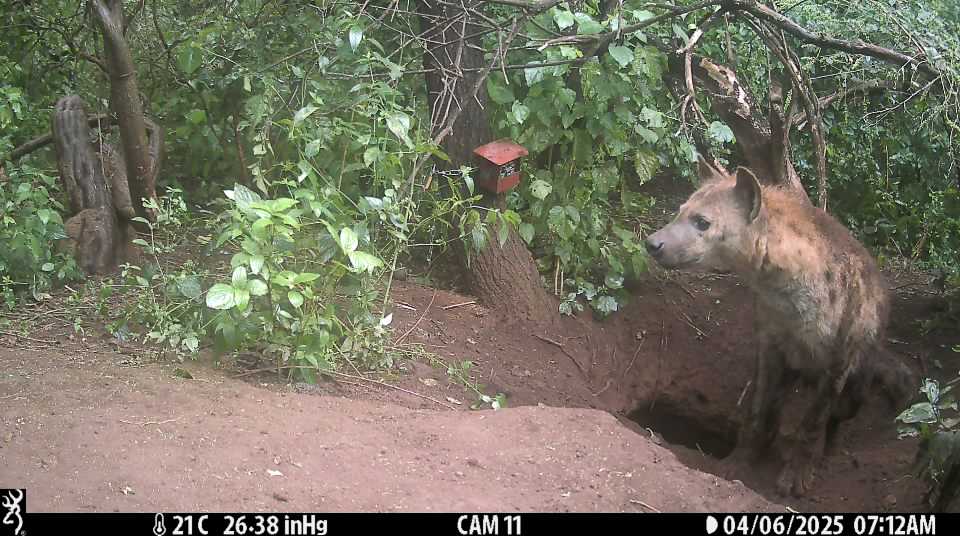
United Tanzania was founded in 2021 as a Germany-based international NGO dedicated to mitigating human-hyena conflict and promoting human-carnivore coexistence. Our team, led by a veterinarian and supported by local trackers and camp staff, is committed to empowering local communities and conducting research on spotted and striped hyenas. Our long-term goals include developing effective strategies for carnivore conservation and enhancing animal health. OUR VISION "In order to carry out a positive action, we must develop a positive vision" A world where animals and nature are protected for human's livelihood challenges are greater than ever. Strength, focus, dedication, and passion, will set the bar for science, conservation, and education. OUR MISSION Our mission is to protect biodiversity and the ecosystem while preserving existing species and habitats. The first step is to identify the threats for wildlife species before sustainable conservation strategies, in collaboration with local communities, can be established.

Our Gracious Daycare is a community-based center providing a safe, loving, and supportive environment for young children from diverse backgrounds. We offer early childhood education, care, and emotional support during their key developmental years. Our mission is to nurture each child’s potential through a balance of learning, play, creativity, and care. We focus on building foundations in language, numbers, and social skills, while encouraging confidence, curiosity, and kindness. Children take part in daily activities such as singing, storytelling, games, creative arts, and outdoor play. We believe learning should be fun, interactive, and inclusive. We also support the local community by offering a safe place for parents to leave their children while they work. Volunteers play an important role by sharing their time, skills, and energy to enhance the children’s learning experience, while also gaining meaningful cultural exchange and connection. Our Gracious Daycare is more than a childcare center—it is a place where children feel valued, supported, and inspired every day.

We have committed ourselves to working with the community by supporting children and bringing volunteers from around the world to teach different subjects in primary schools. Our mission is to address socioeconomic challenges and promote quality education.

United Tansania e.V. is a German NGO, registered in 2021 and based in Tanzania. We study both hyena species: the striped hyena, classified as Near Threatened by the IUCN, and the spotted hyena, which is threatened by habitat loss, climate change, and human-wildlife conflict. To understand the drivers of sustainable carnivore survival outside protected areas, we work on mitigation solutions with communities that experience hyena conflicts. Due to their negative reputation and responsibility for livestock losses, hyenas are subject to high levels of persecution, including the use of snares. Our team, led by a veterinarian and supported by local trackers and camp staff, is committed to empowering local communities and conducting research on spotted and striped hyenas. Our long-term goals include developing effective strategies for carnivore conservation and improving animal health.

Samaritan Volunteers is an NGO registered under the Non-Governmental Organizations Act with Registration Number 00NGO/R/2581. The organization is dedicated to supporting education for children from low-income families in the Chamazi community. It runs Samaritan School, which was founded in 2018 with the support of both local and international volunteers who regularly visit and contribute to the project throughout the year. Local teachers and volunteers work together to provide lessons for children from Kindergarten to Primary level, ensuring they receive consistent and quality education. The mission of Samaritan Volunteers is to ensure that every child in Tanzania has the right to study and access educational opportunities, regardless of their background or circumstances. The focus is on supporting children from low-income families and those facing challenging daily life situations. The vision of the organization is to create a sustainable system where every child can access a safe, vibrant, and stimulating place to learn. It strongly believes that education is a human right, not a luxury, and that every community should have access to a proper learning environment.